First Seen
2024-05-19T19:20:29.744831+00:00
simple-description (qwen3.5_2b-q8_0)
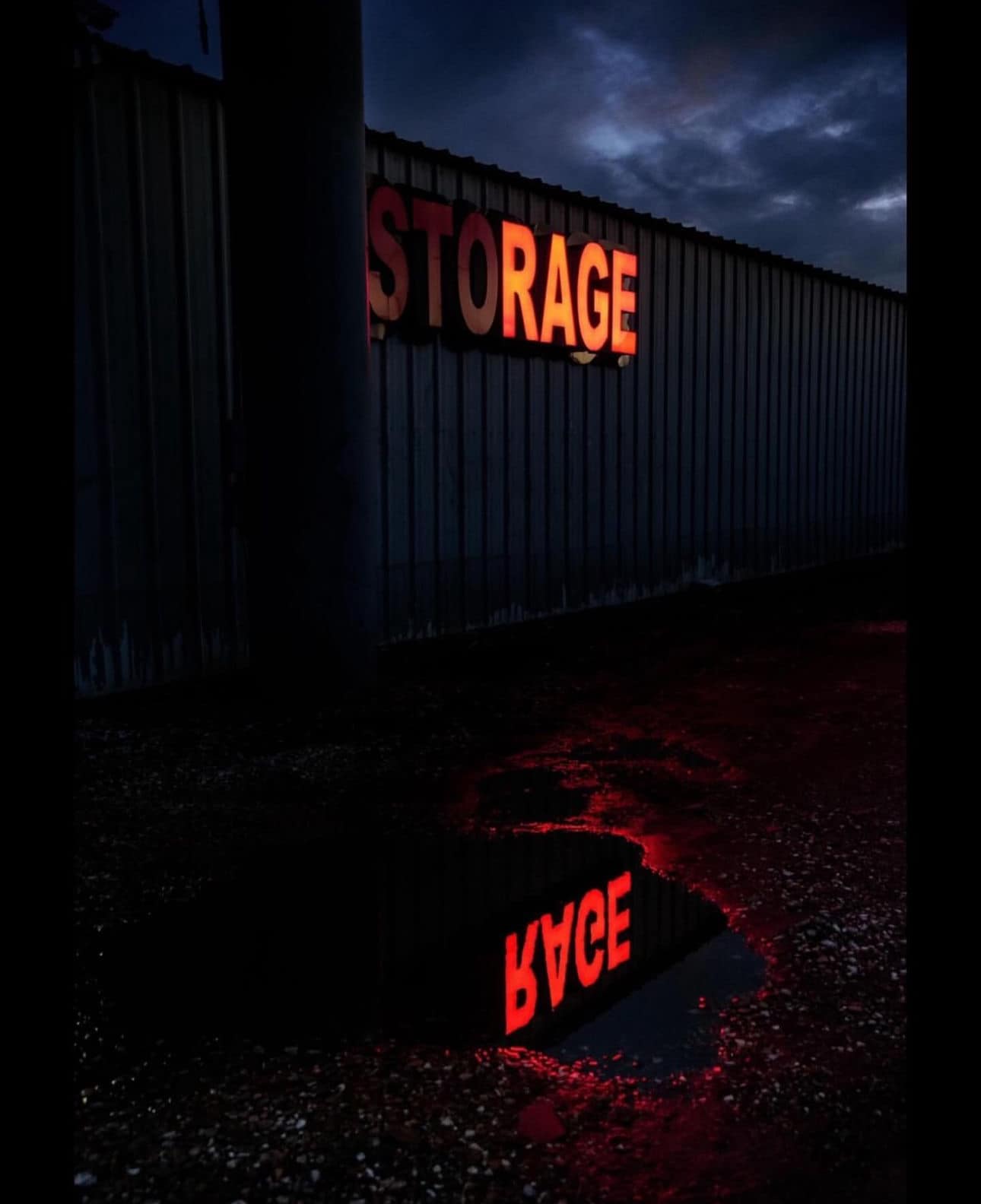
In this dark, moody scene, a glowing red sign for "STORAGE" sits atop a metal container that has been flipped upside down. The sign is reflected in a puddle of water below, creating a distorted, inverted image of the word "STORAGE" that looks like a predator's eye or a trap. This creates a jarring, glitchy aesthetic common in horror and cyberpunk storytelling, where perspective shifts and reflections blur the line between reality and a menacing, mirrored world.
simple-description (llama3.2-vision_11b)
This meme is a still image of a dark, industrial-style parking garage with a single, flickering neon sign reading "Storage" in a distressed, cyberpunk-inspired font. The sign is reflected in a puddle of water on the ground, creating a distorted, mirror-like image that reads "RAGE" in a bold, graffiti-style font. The image is a play on the idea of a "rage" or "rage storage" facility, implying a sense of intense, aggressive energy.
detailed-analysis (gemma3-27b-vision)
Okay, let's break down this image with the requested analytical lenses.
Visual Description
The image is a low-angle, dramatic shot of a corrugated metal wall with the word "STORAGE" in illuminated, red lettering. The wall appears to be part of a warehouse or industrial facility. A prominent manhole cover in the foreground is also illuminated in red, displaying a mirrored, reversed version of “BVCE” and creating a visual repetition and distortion. The background is a dark, overcast sky. The lighting is dramatic, casting long shadows and emphasizing the stark, industrial aesthetic. The color palette is limited to red, dark metal gray, and black, enhancing the sense of unease and mystery. The composition uses strong vertical lines and diagonals, creating a sense of confinement and claustrophobia. The overall impression is one of isolation, potentially decay, and a somewhat menacing atmosphere.
Foucauldian Genealogical Discourse Analysis
The image lends itself well to Foucault’s discourse analysis, specifically genealogy. The prominent word "STORAGE" points to the disciplinary practices around objects, ownership, and forgetting. Storage implies a desire to control what is kept, preserved, and hidden from view. The act of storage isn't neutral; it’s a practice that shapes how we understand memory, value, and even identity. What is deemed worthy of storage and what is discarded speaks volumes about a society's values.
The reversed letters on the manhole cover (“BVCE”) are a powerful disruption of meaning and a challenge to established systems of representation. It suggests a hidden or suppressed narrative, something that exists beneath the surface. The manhole, traditionally a point of access to underground infrastructure (sewers, pipes, power), can be read as a symbol of the hidden networks of power that structure society.
Foucauldian analysis would ask: What discourses surround the act of storage? Who benefits from the control and categorization of objects? What is being concealed or forgotten within these storage units? What power dynamics are at play in defining what is deemed worthy of preservation and what is discarded? The reversed letters also introduce the idea of inversion, a destabilization of language and meaning.
Critical Theory
From a critical theory perspective, the image reflects themes of alienation and commodity fetishism. The storage facility can be seen as a manifestation of a society obsessed with material possessions. We store things rather than truly engaging with them, treating them as mere commodities rather than objects with intrinsic meaning. This accumulation of possessions becomes a form of self-definition, masking deeper existential anxieties.
The dramatic lighting and sense of isolation contribute to an atmosphere of emotional detachment. The image evokes a sense of loneliness and the loss of authentic connection. The distorted reflection on the manhole cover emphasizes the fragmentation of experience and the breakdown of traditional values.
From this lens, the image can be seen as a critique of consumer culture and its impact on human relationships and psychological well-being.
Marxist Conflict Theory
The image aligns with Marxist conflict theory through its representation of industrial infrastructure. The storage facility symbolizes the means of production and the commodification of space. The facility houses the possessions of individuals, but it’s ultimately controlled by capital—the owners of the facility. This creates an inherent power imbalance between those who own the means of storage and those who are dependent on it.
The stark, utilitarian aesthetic of the metal wall and dramatic lighting suggest a world of labor and alienation. The image can be seen as a commentary on the exploitation of space and the dehumanizing effects of industrial capitalism. The manhole cover is literally a gateway to an unseen infrastructure, a metaphorical representation of the unseen labor and resources required to sustain the capitalist system.
Postmodernism
The image embodies several core tenets of postmodernism: fragmentation, simulacra, and the blurring of boundaries. The reversed lettering on the manhole cover disrupts the coherence of language and undermines the concept of a stable, unified meaning. It is a sign that no longer clearly points to a referent.
The image also presents a world of surfaces and appearances. The storage facility is a façade, concealing the untold stories and hidden possessions within. The dramatic lighting and stark aesthetic create a hyperreality, where the image is more concerned with its own representation than with reflecting any objective truth.
The image can be interpreted as a commentary on the loss of grand narratives and the increasing fragmentation of experience in the postmodern era. Meaning is not inherent; it's constructed through the interplay of signs and symbols.
Queer Feminist Intersectional Analysis (potentially, though less directly than the others)
While not immediately apparent, a queer feminist intersectional reading could explore the ways in which storage spaces often become sites of both safety and invisibility for marginalized groups. Storage units can be used to hold belongings during periods of displacement, particularly for those fleeing violence or discrimination. However, these spaces can also be precarious, lacking legal protections or oversight.
The image’s sense of isolation and concealment could be interpreted as reflecting the experiences of those who are forced to navigate a hostile or unwelcoming society. The obscured or hidden nature of the storage facility could symbolize the ways in which marginalized identities are often concealed or suppressed. The dark and industrial setting could further represent the challenges and obstacles faced by those who are pushed to the margins of society. The fact that the letters are reversed could symbolize the lack of representation. The intersection of gender, race, sexuality, and class would all factor into a more nuanced analysis.
Hopefully, these analyses are what you were looking for. Let me know if you'd like me to delve deeper into any of these perspectives.
simple-description (llama3.2-vision)
This meme is a humorous image of a storage facility at night, with a sign reading "Storage" and a puddle of water reflecting the sign. The sign is reflected in the puddle, but it's distorted and reads "Storace" instead of "Storage". The meme is likely poking fun at the idea of a storage facility being a place where things are stored, but the word "Storace" sounds like "store" and "ace", implying that the storage facility is actually a place where people can store their "aces" (a clever play on words).
tesseract-ocr
mt | ay | aT ’ iy \ Jan HII > | | m3 1m ad 4 TTT ddl | | a oe