First Seen
2023-05-10T21:03:35+00:00
simple-description (llama3.2-vision_11b)
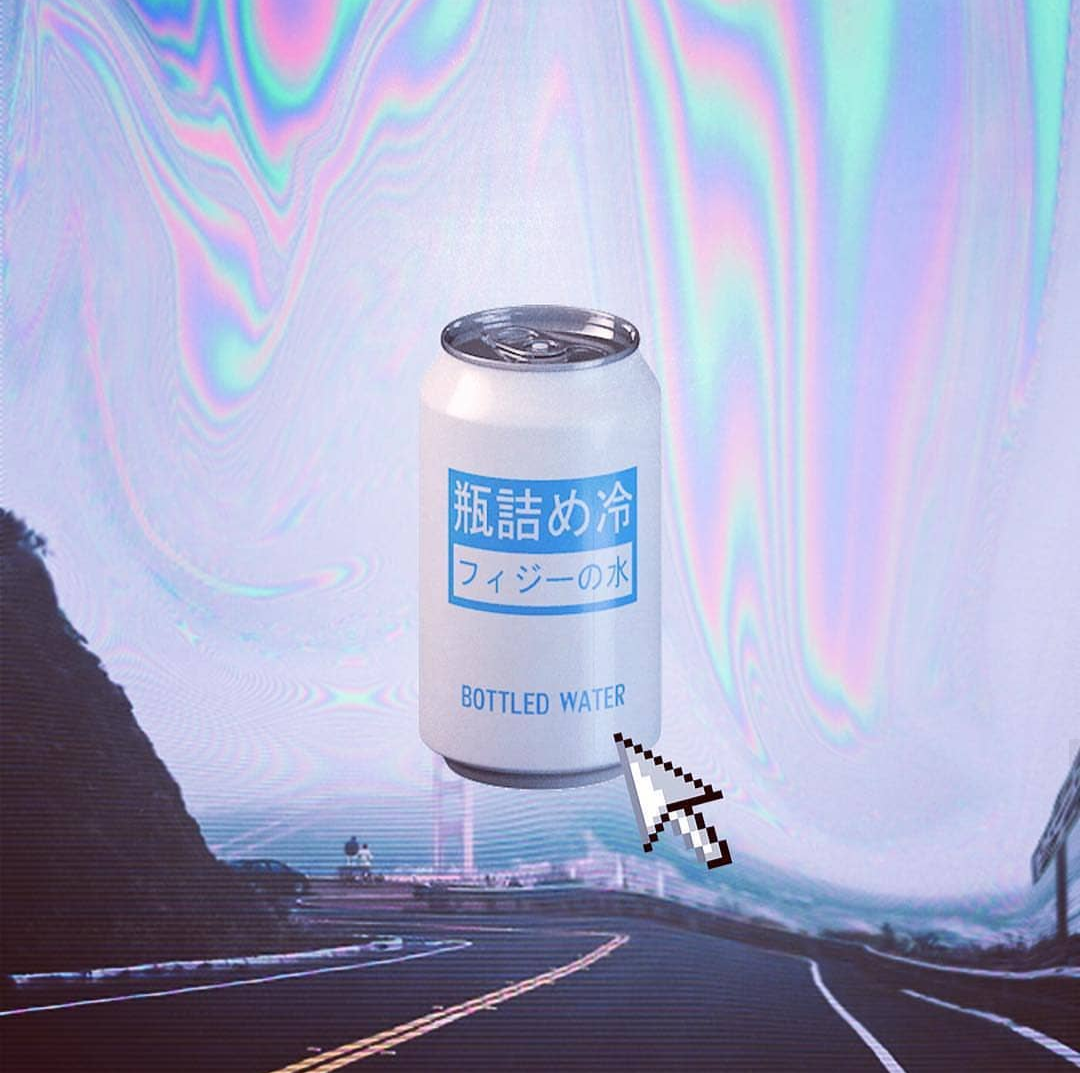
The meme is a humorous representation of a futuristic, high-tech world where even the most mundane objects, like a can of water, have been transformed into a sleek, cyberpunk-inspired design. The image features a can of water with Japanese characters on it, with a "Bottled Water" label in English, poking fun at the idea that even the most basic things can be transformed into something "cyberpunk" in this futuristic world.
detailed-analysis (gemma3-27b-vision)
Okay, let's break down this image across several analytical lenses. It’s a richly layered image and supports exploration through many theoretical frameworks.
Visual Description
The image is a digitally manipulated composition. The central focus is a can of “Bottled Water” with Japanese text on it. The can is presented as if floating in the middleground of a photograph depicting a curving coastal highway. The scene appears to be a misty, possibly overcast day, overlooking the ocean. A small, distant figure can be seen walking along the highway.
Overlaid across the entire image is a strong digital distortion—a cascading, iridescent, glitch-like effect resembling chromatic aberration and the static of older video formats. Additionally, a cursor selection appears at the bottom of the can. The combination of these elements results in a dream-like, unsettling, and visually arresting composition. The text on the can is Japanese and translated to "Bottled Water".
Postmodernism
This image is deeply embedded within postmodern aesthetics and conceptual frameworks. Several key postmodern characteristics are evident:
- Pastiche & Hyperreality: The image combines disparate elements—a Western product (bottled water) with Japanese text and a coastal landscape—in a way that disrupts any coherent or "authentic" narrative. The digital distortion further obscures any sense of reality, creating a hyperreality where the image is the experience, rather than a representation of it.
- Deconstruction of Meaning: The meaning of the "bottled water" is deliberately destabilized. The use of Japanese text, coupled with the English label, creates ambiguity. Is this a commentary on global consumerism, the loss of cultural context, or the commodification of natural resources?
- Simulacra and Simulation: The image can be interpreted as a "simulacrum"—a copy without an original. It’s a digitally constructed representation of a scene, and even the product (bottled water) represents a manufactured "need."
- Loss of Grand Narratives: The image doesn't propose a unified or authoritative meaning. It's open to multiple interpretations, reflecting the postmodern rejection of universal truths or "grand narratives."
Foucauldian Genealogical Discourse Analysis
Applying a Foucauldian lens, we can explore the discourses shaping the image and the power relations embedded within them:
- Discourse of Consumption: The presence of "Bottled Water" immediately evokes the discourse of consumerism, marketing, and the commodification of natural resources. A genealogical analysis would trace the historical development of this discourse—how water, once considered a common good, became a branded commodity.
- Discourse of Digital Technology: The digital distortion, glitches, and cursor are crucial. This isn't simply aesthetic; it reflects the growing dominance of digital technology and its impact on our perception of reality. It traces the development of digital culture and its ability to manipulate and redefine images.
- Discourse of Globalization: The combination of English and Japanese text signifies the increasing interconnectedness of the world, but also the potential for cultural homogenization and loss of local identity.
- Power/Knowledge: Foucault argued that power and knowledge are inseparable. The image demonstrates how power operates through the control and dissemination of images and the shaping of our understanding of consumption, technology, and globalization. The distortion can be seen as an assertion of resistance to these established structures, as it disrupts the typical clean, polished marketing presentation.
Marxist Conflict Theory
A Marxist analysis would focus on the underlying class conflicts and material conditions represented in the image:
- Commodification of Nature: The "Bottled Water" represents the ultimate commodification of a basic necessity—water. This exemplifies the capitalist drive to turn everything into a source of profit, often at the expense of the environment and social equity.
- Alienation: The image evokes a sense of alienation and detachment. The isolated figure on the road, the distorted landscape, and the artificiality of the digital manipulation all contribute to this feeling. This alienation is seen as a consequence of capitalist production, which separates individuals from their labor, their community, and nature.
- Ideology: The image can be interpreted as a critique of the ideology of consumerism. The branding of water as a desirable commodity masks the underlying inequalities and environmental consequences of its production and distribution.
- The spectacle: The image is visually arresting and eye-catching - appealing to the viewer. This appeals to and reproduces the spectacle which masks real contradictions.
Queer Feminist Intersectional Analysis
This analysis might explore how the image intersects with themes of gender, sexuality, and power:
- The Male Gaze and Commodification of the Body: While not explicitly depicting a body, the act of branding and selling water to a market appeals to the consumerist impulse, appealing primarily to those with disposable income and thus power.
- Environmental Justice: The commodification of water disproportionately affects marginalized communities, who often lack access to clean and affordable water resources. This connects to feminist concerns about environmental justice and the disproportionate impact of environmental degradation on women and communities of color.
- Disruption of Normative Landscapes: The digital distortion and unsettling composition can be seen as a rejection of traditional, "ordered" landscapes—both physical and social. This aligns with queer and feminist critiques of power structures and the desire for alternative ways of being.
- Resistance & Reclaiming Space: The intentional "glitching" and distortion of the image can be interpreted as a form of resistance to dominant narratives and a reclaiming of space—both visual and conceptual—for alternative perspectives.
In summary: This image is a complex and multi-layered work that invites a variety of theoretical interpretations. It is a potent visual commentary on consumerism, technology, globalization, and the power dynamics shaping our world. The use of digital distortion and ambiguous imagery challenges viewers to question the narratives presented to them and to consider alternative perspectives.
Let me know if you'd like me to elaborate on any of these analyses or explore additional theoretical frameworks.
simple-description (llama3.2-vision)
The meme features a screenshot of a Windows error message, but the image has been edited to replace the error text with a humorous message that says "Not Found". The image also includes a caption that reads "404: Not Found".
tesseract-ocr
er & ee nk Leia } BOTTLED WATER i —\ j a SE *a p’ = ee = s : edge —— = = ai