First Seen
2023-07-14T23:22:57+00:00
simple-description (qwen3.5_2b-q8_0)
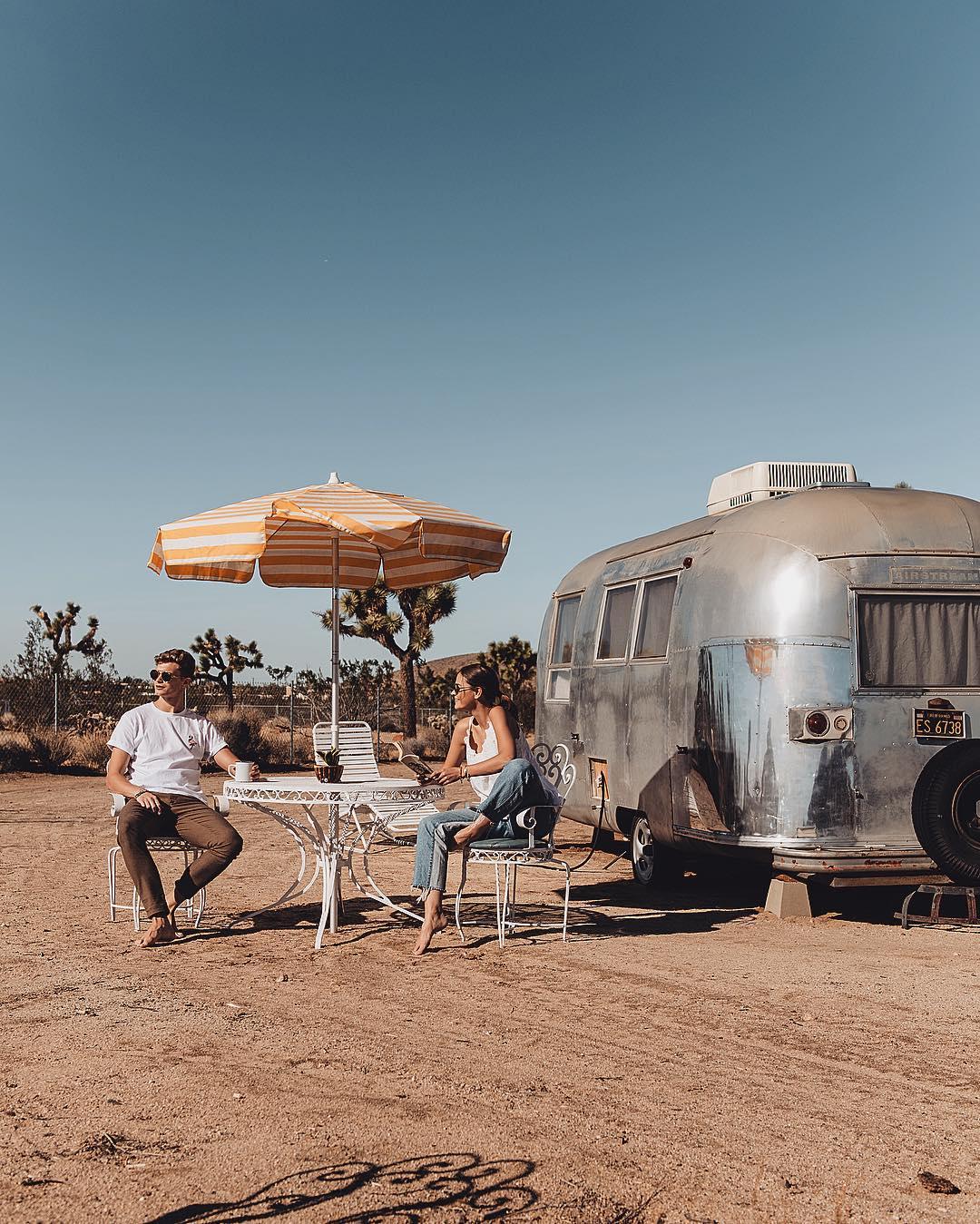
This image captures the essence of Desertcore by illustrating a cozy, unpretentious moment amidst a stark, arid landscape. It highlights the nostalgia for a simpler life by showing two people relaxing in front of a weathered, vintage Airstream trailer, which is casually parked on a makeshift stand.
The meme is represented by the couple enjoying a quiet, refreshing drink under a striped umbrella—a symbol of finding peace in the wild. Even as they sit on the dusty desert ground, the image suggests that embracing this rough, unpolished nature allows you to feel free from the pressures of a high-society existence.
simple-description (llama3.2-vision_11b)
The meme is a still image of a person sitting in a desert, surrounded by cacti and rocks, wearing a "I'm not lazy, I'm just on desert time" t-shirt. The person is sitting in a chair, looking relaxed, with a coffee cup in hand, and a desert landscape behind them. The text "I'm not lazy, I'm just on desert time" is written in bold, playful font, implying that the person is embracing their laid-back attitude in the desert.
detailed-analysis (gemma3-27b-vision)
Okay, let's break down this image through a variety of critical lenses.
Visual Description
The image depicts a sun-drenched scene, likely in a desert environment (possibly Joshua Tree, California, given the vegetation). A classic, silver Airstream trailer dominates the right side of the frame. Two people, a man and a woman, are seated at a small, white metal table set under a striped yellow and white parasol. The landscape is arid, characterized by reddish-brown dirt, sparse desert shrubs, and a clear, bright blue sky. The light is harsh and creates stark shadows. The composition feels stylized and curated, almost like a magazine spread or a scene from a mid-century modern advertisement. The people are casually dressed, hinting at leisure and a particular aesthetic. There's a relaxed, seemingly idyllic quality to the scene.
Foucauldian Genealogical Discourse Analysis
This image lends itself to a Foucauldian analysis focused on the discourse of leisure and the construction of the "desert escape".
- Power/Knowledge: The image doesn't explicitly show power, but implies it. The ability to have the leisure time and resources to construct this scene (the Airstream, the parasol, the location) points to a certain class privilege and access to cultural capital. This access becomes a form of power. The very framing of the scene as 'relaxation' and 'escape' constructs it as desirable, and that desire is perpetuated through images like this.
- Archaeology/Genealogy: Tracing the history of the Airstream as a symbol reveals shifts in American culture. Originally representing post-war freedom and mobility, it has become increasingly linked with retro aesthetics, glamping, and a specific lifestyle. The image doesn’t present a “raw” escape, but a curated one – one built on consumption and aesthetics. A genealogical tracing would highlight how 'roughing it' has been increasingly sanitized and commodified.
- Discursive Formation: The “desert escape” as a trope is a discursive formation. It's constructed through images, advertising, and narratives that equate the desert with tranquility, self-discovery, and authenticity. This image participates in that discourse, reinforcing the idea that escaping to the desert is a desirable and achievable goal.
- Subjectivity: The image positions the viewer to desire the life depicted. It constructs subjects who yearn for this particular form of freedom and escape. The people in the image embody a desirable subjectivity – relaxed, carefree, stylish.
Postmodernism
This image screams postmodernism in its aesthetic and implications:
- Pastiche & Intertextuality: The Airstream is a strong signifier of a specific historical period (mid-century modern America) but it is recontextualized in a contemporary setting. This creates a sense of layering, a blending of different eras and styles. It's not about recreating the past authentically, but rather playfully referencing it.
- Simulacra & Simulation: The scene feels more like a simulation of a desert escape than an actual experience. The curated aesthetics, the perfectly positioned furniture, and the idealized lighting suggest that it's a carefully constructed image, removed from the realities of desert life. The experience is prioritized over authenticity.
- Rejection of Grand Narratives: There’s no overarching meaning implied. This isn't about the "American Dream" or any other grand narrative. It's simply a scene, an aesthetic moment, divorced from any larger context. The image encourages a more fragmented and subjective interpretation.
- Hyperreality: The image doesn’t represent reality, it creates a hyperreality where everything is more vivid, stylized, and visually appealing than in actual experience.
Critical Theory (Generally)
From a broadly Critical Theory perspective, the image can be seen as reinforcing certain dominant ideologies:
- Commodification of Experience: The desert is not experienced for its own inherent value but as a commodity – a backdrop for a carefully curated lifestyle. Experiences are increasingly being packaged and sold as commodities, reducing their intrinsic value.
- Idealized Lifestyle & Consumerism: The image promotes a particular lifestyle associated with consumption – the Airstream, the parasol, stylish clothing. It normalizes and reinforces the idea that happiness is linked to material possessions.
- Hegemony of Aestheticization: The emphasis on aesthetics – the perfect lighting, the carefully chosen colors – overshadows any deeper engagement with the landscape or the experience itself. This aestheticization serves to mask underlying power dynamics and social inequalities.
Please Note: Without further information about the image’s context or creator, these analyses are interpretations based on the visual information provided. Each theoretical lens offers a different way of "reading" the image and uncovering its hidden meanings.
Let me know if you'd like me to expand on any particular aspect or lens.
simple-description (llama3.2-vision)
The meme is a humorous image of a couple sitting at a table in a desert, with a trailer (a type of RV) in the background. The text on the image reads "When you finally get the Wi-Fi password from your neighbor". The image is likely meant to be humorous because it pokes fun at the common frustration of trying to get internet access in rural or remote areas, and the excitement of finally achieving it.
tesseract-ocr
NL Baie aa x \ ——— LE = = —— ——— LE = Zz ta Fr nl = 2 ee “BY - igs Gy I BLN ¥ EL lie ag |i) ae H . ee eat Qare ) ki @o ae La ‘ fees i re ere 5 N@o Fa: is aay aN se od i a be) > Lee. <Os an ee ee a oy ty 1m | We pe tee oor oe aS oa ) v | ho i A aie fo oe OX apes J \ai ra eS a 4 i \ y lid _N wi Ce \\ is Eee =a 77 ya Oe. = re ae XS Sr Se “<a (io Se Se = \ as X Mp ne ZN ia 3 \ (= eee 2 NN ey aN a — ——— = ae ie ee — ||| a ————— — ses SM A Hears a === ee oe oe a cae = SS RE, So = ee So = oes = Pee EE ee See 2 a oe Fe ee ek oo Pe So oe oS 2 = : a fe oe oe oS — 2 Se See. ge ms Cee oo oe ere — oe oo pe mee ae ee ee ee — oe ee ee 2 eS eS — Se ee ke i RS Me ee es eae ee ee. Se oe ee : oe = a ee ee oe eRe ae oe eee a 2 Lee Le ame On 7 Pa os Pe eer ee SI Ia Ea ee