First Seen
2023-05-10T21:03:33+00:00
simple-description (llama3.2-vision_11b)
The meme is an image of a parking lot with a few cars parked in the spaces, but one car is parked in a space that is marked for disabled parking. The image is captioned "When you finally get a job that pays enough to afford a car, but you still can't park it in a spot that's actually designed for people with disabilities".
detailed-analysis (gemma3-27b-vision)
Okay, here's an analysis of the image, broken down into the requested sections, with explanations of how each theoretical lens applies (or doesn't) to this seemingly mundane scene.
Visual Description
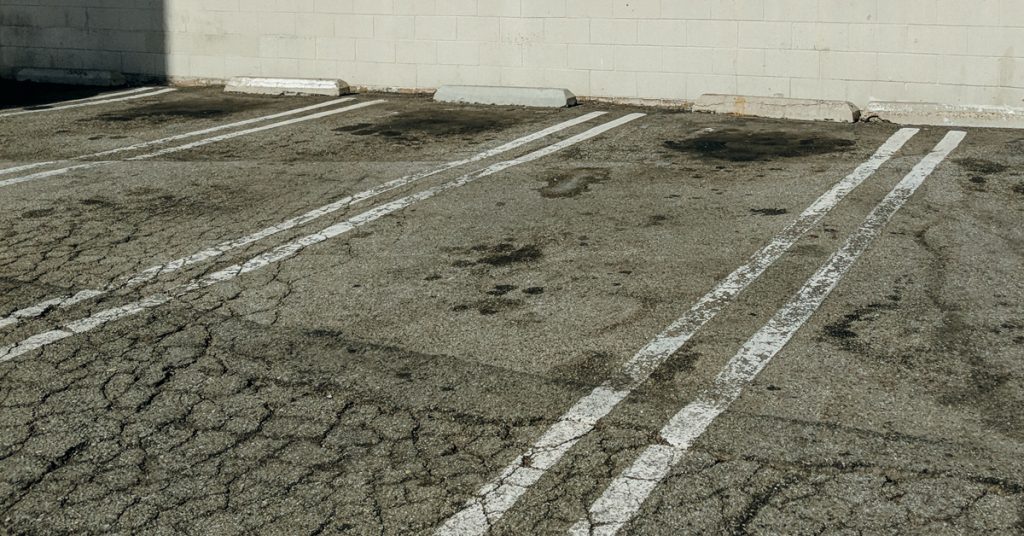
The photograph depicts a section of asphalt parking lot. The surface is heavily cracked and weathered, showing considerable age and use. Two parallel white lines marking a parking space are visible, though also worn and dirty. The lines aren't pristine; they're broken and faded in places. The lot abuts a light-colored, textured wall (possibly concrete block). There are two concrete parking bumpers along the edge of the lot. The lighting appears harsh and direct, casting a strong shadow from the wall. The overall impression is one of neglect, utilitarianism, and a space that has seen a lot of activity. It’s a very ordinary, unglamorous view.
Foucauldian Genealogical Discourse Analysis
This image is remarkably fertile ground for a Foucauldian analysis. The parking space isn’t just a convenient spot to leave a car; it is a concrete manifestation of power/knowledge systems.
- Discipline and Control: The painted lines themselves are a form of discipline, creating a regulated space. The space defines where and how people are allowed to place their vehicles, establishing an order. The visible wear and tear, however, show resistance to this control. Cracks in the asphalt suggest the erosion of imposed order. The parking bumpers and lines enforce and maintain the structure of a 'proper' parking experience.
- Panoptic Effect: Though no actual surveillance is visible, the potential for surveillance is built into the system. The orderliness suggests a potential for checking conformity.
- Genealogy of Parking: A genealogical tracing of parking spaces would reveal a history tied to the rise of the automobile, suburbanization, the growth of consumerism, and the increasing need for controlled spaces in a modern, industrialized society. The parking space is not a neutral object, but the culmination of a historical process of regulation and control.
- Normalization: The assumption that parking spaces should be marked and defined (rather than just open areas for stopping) is a normalized behavior and set of expectations enforced by the structure of the parking lot.
Critical Theory
This image connects with Critical Theory, specifically in its exposure of the constructed nature of everyday life and how seemingly neutral spaces are imbued with ideology.
- Commodification: The parking space is inextricably linked to capitalist consumption. It is a functional component of a system where access is often tied to owning a car (and the resources to maintain it), which in turn fuels consumer culture.
- Rationalization: The very act of demarcating a parking space exemplifies Max Weber's concept of rationalization - the increasing organization and bureaucratization of modern life. It is a move towards efficiency and control, even at the expense of aesthetics or spontaneity.
- Alienation: The cracked asphalt could be interpreted as a visual metaphor for the alienation experienced in modern society. The space is used and abused, reflecting a disconnection between individuals and their environment.
Marxist Conflict Theory
This image can be analyzed through a Marxist lens, though somewhat subtly.
- Class and Access: The parking space (and the ability to own and use a vehicle to access it) is linked to economic class. Those who cannot afford cars or are excluded from car ownership are excluded from the access and mobility provided by this space.
- Infrastructure as Capital: The asphalt, lines, and concrete represent built capital – a physical manifestation of economic investment. The visible degradation suggests the potential for reinvestment or abandonment, hinting at the uneven distribution of resources.
- Labor and Exploitation: The asphalt itself represents labor – the work of laying it and maintaining it. The visible wear and tear can be seen as a result of the exploitation of labor.
Postmodernism
A postmodern reading focuses on the image’s deconstruction of meaning and the breakdown of grand narratives.
- Simulation and Hyperreality: The lines are a representation of a space, rather than an authentic one. The simulation of order is fractured by the decay, suggesting the instability of meaning.
- Loss of Authenticity: The cracked and worn surface indicates the loss of a pristine, “original” state. The image captures a moment of decay, highlighting the impermanence of all things.
- Rejection of Order: The disrepair challenges the imposed order and suggests a resistance to the rigidity of modern life.
Queer Feminist Intersectional Analysis
This is the hardest lens to apply directly, but there are subtle possibilities:
- Space and Surveillance: The parking lot, as a public space, is often experienced differently by marginalized genders and bodies. The potential for surveillance (even implied) can create a sense of vulnerability and fear, especially for women and gender-nonconforming individuals.
- Accessibility and Exclusion: The parking space, like many designed spaces, may not be designed with inclusivity in mind. Accessibility for disabled bodies is not visible in the image, and it reinforces the design principles that do not cater to a broad range of needs.
- The Mundanity of Oppression: The image's very ordinariness can highlight how oppression is often embedded in the everyday, taken-for-granted structures of our lives. The parking space is not inherently oppressive, but it is part of a system that can perpetuate inequalities.
I hope this detailed breakdown provides a thorough analysis of the image from these various theoretical perspectives! Let me know if you'd like me to elaborate on any of these points.
simple-description (llama3.2-vision)
This meme is an image of a parking lot with a series of white lines on the ground, but the lines are all crooked and uneven. The text "I'm not lazy, I'm just on energy-saving mode" is written above the image. The meme is likely referencing the idea that the person is not actually lazy, but rather conserving energy by not exerting themselves in a physical or mental way.
tesseract-ocr
Cte gg Re