First Seen
2023-05-10T21:03:36+00:00
simple-description (llama3.2-vision_11b)
This meme features a smiling face with a thought bubble containing a speech bubble with a single word: "Meta". The image is likely a humorous reference to the Meta platform, suggesting that the user is having a meta moment, where they're aware of and commenting on the fact that they're on a social media platform that's aware of their thoughts.
detailed-analysis (gemma3-27b-vision)
Okay, let's break down this image using the requested theoretical frameworks. It's a peculiar combination, but we'll attempt to apply each lens.
1. Visual Description
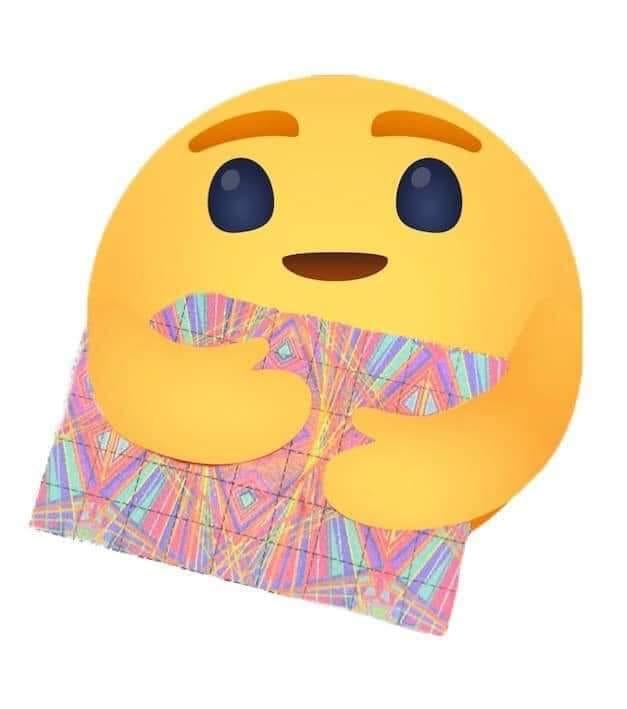
The image features a bright yellow, spherical emoji, the kind used in digital communication. It's a relatively neutral expression – a slight, closed-mouth smile and raised eyebrows suggest either thoughtfulness, mild surprise, or a reserved form of contentment. The emoji is holding a brightly colored square of fabric or a similarly patterned surface. The pattern itself is a dizzying, geometric arrangement of intersecting lines in pink, purple, blue, and yellow. The fabric appears slightly wrinkled or textured. The background is plain white. The overall aesthetic is very digital and graphic, with a slightly 90s or early 2000s vibe given the pattern.
2. Postmodernism
This image is ripe for a postmodern reading. Several elements contribute to this:
- Pastiche/Hyperreality: The combination of the emoji (a digital construct) and the garish, patterned fabric creates a sense of disconnectedness and simulation. The fabric pattern itself looks like a digitized version of a textile design, potentially a nostalgic reference to a past era. This layering and blending of signs is characteristic of postmodern pastiche. The image doesn't mean anything inherently; it’s a collection of signs operating in a self-referential manner.
- Blurring Boundaries: The image actively blurs the boundaries between the digital and the physical, the real and the simulated. An emoji representing emotion holding a physical (or appearing physical) patterned item. The "realness" of either element is questionable.
- Deconstruction of Meaning: The emoji's ambiguous expression—is it happy, thoughtful, confused?—undermines the clear-cut definition of emotion. Coupled with the chaotic pattern, the image actively resists a fixed or singular interpretation.
- Irony/Playfulness: There's an inherent playfulness. The emoji isn't "solving" anything; it's simply holding the pattern. It mocks the idea that images need to carry profound meaning.
3. Queer Feminist Intersectional Analysis
This area requires more interpretative leaps, but we can explore the image through this lens:
- Subversion of Normative Emotion: The emoji’s reserved expression, coupled with the vibrant, almost overwhelming pattern, could be read as a rejection of traditionally "feminine" expressions of exuberance or emotionality. It resists easy categorization and expects an immediate emotional response.
- Disrupting Visual Expectations: The pattern could be viewed as a visual metaphor for the complex, layered experiences of marginalized identities. The intersecting lines and competing colors represent the multiple, often conflicting, forces that shape identity.
- Textile as Site of Labor/Femininity: Traditionally, textile work has been associated with women's labor, often undervalued and invisible. The fabric could symbolize this history. The emoji holding it might be a commentary on the weight or burden of these expectations.
- Visual Excess/Camp: The overall aesthetic leans toward "camp" – a sensibility of exaggerated style and irony often associated with queer culture. It’s a deliberate over-the-top aesthetic. The clash between the simple, digital emoji and the busy pattern creates a deliberately unsettling (and potentially liberating) visual experience.
4. Foucauldian Genealogical Discourse Analysis
Using a Foucauldian approach, we could analyze how the image participates in broader discourses of emotion, digital culture, and aesthetic standards:
- Discourse of Digital Affect: The image reinforces the normalization of expressing emotion through digital symbols (emojis). It’s part of a discourse that increasingly mediates our emotional lives. We need to question how this mediation impacts our understanding of genuine feeling.
- Genealogy of "Kitsch": The pattern evokes a history of “kitsch” aesthetics, often associated with mass-produced objects and considered “low art”. Examining the historical power dynamics that classify certain aesthetics as "low" or "vulgar" is crucial. What makes this pattern "kitsch"? Whose standards are being upheld (or subverted)?
- Power/Knowledge around Aesthetics: The image participates in a discourse around what is considered “visually appealing”. The bright colors and bold pattern challenge traditional notions of "good taste". How do power structures influence these aesthetic judgements?
- Discipline and Representation: The emoji itself is a "disciplined" form of representation. It is a standardized, simplified symbol. How does this standardization affect our ability to express nuanced emotions?
Note: These are interpretations and rely on a degree of speculation. The beauty (and challenge) of analyzing images through these theoretical lenses is that there's rarely a single, definitive answer. The richness lies in exploring the multiple possibilities and questioning the assumptions embedded within the image.
simple-description (llama3.2-vision)
This meme is an image of a cartoon face with a thought bubble, representing a person who is trying to solve a puzzle. The text inside the thought bubble says "I know, I know, I know..." indicating that the person is struggling to figure out a solution. The meme is likely used to express frustration or confusion when trying to solve a problem.
tesseract-ocr
e_ AWA ie. IG Vi, om 4 H avy,