First Seen
2023-11-07T20:11:42+00:00
simple-description (qwen3.5_2b-q8_0)
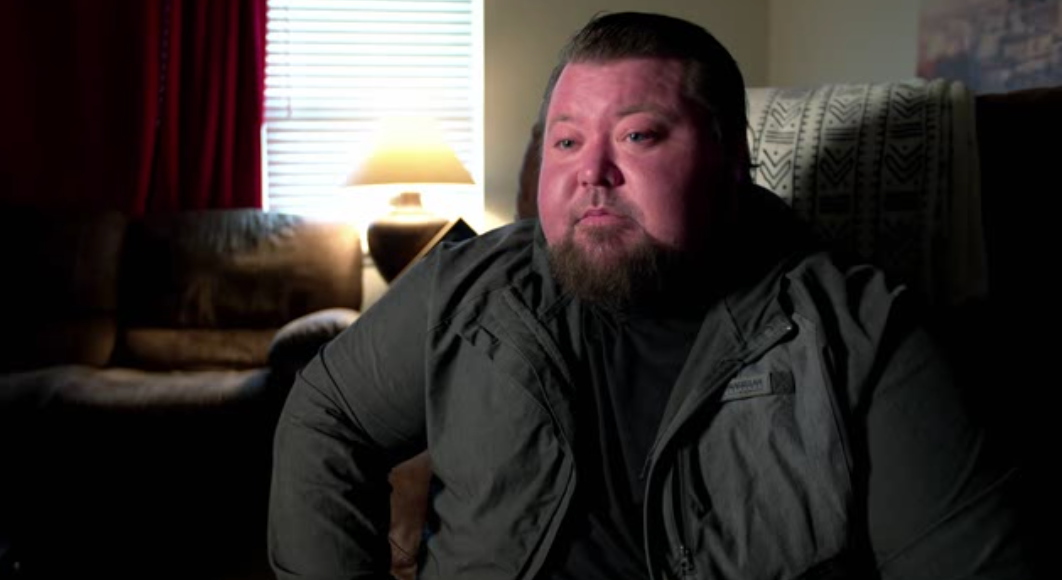
In this image, a heavyset man with a beard is sitting in a dimly lit living room, appearing pensive or serious. He is wearing a dark grey jacket that features a small rectangular brand patch on the left side of the chest, which reads "NORDIC". Behind him, there is a brown couch, a lit lamp, and a window with blinds.
simple-description (llama3.2-vision_11b)
The meme is a screenshot of a man sitting in a chair, looking unimpressed. The image is captioned "When you're trying to explain a complex topic to your mom but she just doesn't get it". The meme is likely used to express frustration or exasperation when trying to explain something complicated to someone who doesn't understand.
detailed-analysis (gemma3-27b-vision)
Okay, here's an analysis of the image, broken down into sections as requested. Given the image, some sections will be more developed than others, and some may not apply significantly.
Please note: This is an interpretation based solely on the visual information in the image. Context about the person or the source of the image would drastically enrich this analysis. This is a speculative exercise based on applying critical lenses.
Visual Description
The image features a white, heavier-set man sitting in a well-worn armchair within what appears to be a domestic living room setting. He is in direct lighting, with stark contrast against the darker areas of the room. He is looking directly at the viewer with a serious or somber expression. He has a full, dark beard. He is wearing a dark, layered jacket or coat.
The room itself is fairly ordinary, appearing middle-class/working-class American. There is a lamp visible behind him and a brown sofa partially visible. The overall mood of the image is somewhat melancholic and intimate, as if the man is about to share a personal story. The dramatic lighting contributes to this feeling. There is a sense of lived-in comfort, but also a slightly claustrophobic atmosphere created by the darkness around the edges of the frame.
Foucauldian Genealogical Discourse Analysis
Applying a Foucauldian lens, we can examine how power operates through discourses surrounding masculinity and embodiment. The man's physique challenges conventional, hyper-masculine representations often dominant in media. The way he is photographed - facing the viewer directly, seemingly vulnerable – can be read as a disruption of traditional power dynamics. Historically, dominant discourses around masculinity have equated physical strength and leanness with power and control. This man’s body, by deviating from that norm, becomes a site of potential resistance or marginalization.
- Discursive Formation: The image invites us to consider how “normal” bodies are constructed through medical, media, and social discourses. What are the rules that define “health,” “attractiveness,” and “strength?”
- Power/Knowledge: This image prompts inquiry into how power operates through the construction of knowledge regarding bodies. We ask what historical and cultural knowledge has led to the valuation of particular bodies over others.
- Genealogy: Tracing the history of how discourses around the body have changed – from earlier ideals of robustness to more modern emphasis on leanness – shows us that these concepts are not natural or fixed but contingent upon historical and social forces.
- Subjectivation: The man, in the context of these power dynamics, becomes “subjected” to societal expectations. The image suggests a potential questioning or negotiation of these expectations, or perhaps the burden of dealing with these expectations.
Critical Theory
A Critical Theory approach, rooted in the Frankfurt School, focuses on how societal structures create and maintain power imbalances. This image allows for inquiry into how this man's perceived "otherness" may be influenced by societal structures and what that influence says about society.
- Domination & Emancipation: How are societal norms (regarding body image, masculinity, etc.) used to dominate and control individuals? Is this image subtly offering a form of emancipation by challenging those norms?
- Ideology: Is there an underlying ideology at play—an unspoken set of beliefs—that governs how we perceive this man? Does the image reveal or critique these ideological assumptions?
- The Culture Industry: If this image is from media (documentary, news, etc.), how does it fit into the broader “culture industry” and its role in shaping perceptions and reinforcing norms?
- Critique of Enlightenment Reason: It could be noted the image doesn't appear to reinforce narratives around the "rational" body. It is instead one that suggests a lived-in, imperfect state.
Marxist Conflict Theory
While not immediately obvious, a Marxist lens can be applied by considering the material conditions of this man’s life, as suggested by the domestic setting.
- Class & Representation: The room suggests a working-class or middle-class environment. How does this relate to representations of masculinity and body image in media, which often favor idealized, affluent figures?
- Alienation: If the man appears burdened or melancholic, this could be interpreted as a sign of alienation—a feeling of disconnect from one's work, community, or self, as a consequence of capitalist structures.
- Material Conditions: This man may be a victim of circumstance in terms of his health or body. Does it represent a commentary on how the societal pressures to maintain health and body standards intersect with economic and class realities?
- False Consciousness: Does the image challenge the assumption that happiness and worth are tied to physical appearance and material possessions?
Queer Feminist Intersectional Analysis
This analysis focuses on the intersection of multiple forms of oppression – gender, sexuality, class, race (though not immediately apparent in the image), and body size.
- Challenging Masculinity: Traditional masculinity is often tied to physical strength and dominance. This man’s physique may disrupt those norms, opening space for alternative expressions of masculinity.
- Body Positivity: The image can be viewed through a lens of body positivity. It challenges the narrow standards of beauty and encourages acceptance of diverse body types.
- Intersectionality: How do different forms of oppression intersect in this man's life? Are there factors beyond body image that contribute to his experiences?
- Social Construction of Gender: The image encourages critical thinking about how gender roles and expectations are socially constructed, and how they can be limiting and oppressive. It invites inquiry as to whether societal expectations were a contributing factor in the man's appearance.
Disclaimer: This is an interpretation based solely on visual information. A deeper understanding would require knowing the context of the image and the individual’s personal story.
simple-description (llama3.2-vision)
This meme features a photo of a man with a scowling expression, likely from a TV show or movie. The text "I'm not arguing, I'm just explaining why I'm right" appears above or below the image, implying that the man is stubbornly defending his opinion. The meme is likely used to poke fun at someone who is being obstinate or argumentative.
tesseract-ocr
er ™ i SS 4 am