First Seen
2023-05-10T21:03:43+00:00
simple-description (qwen3.5_2b-q8_0)
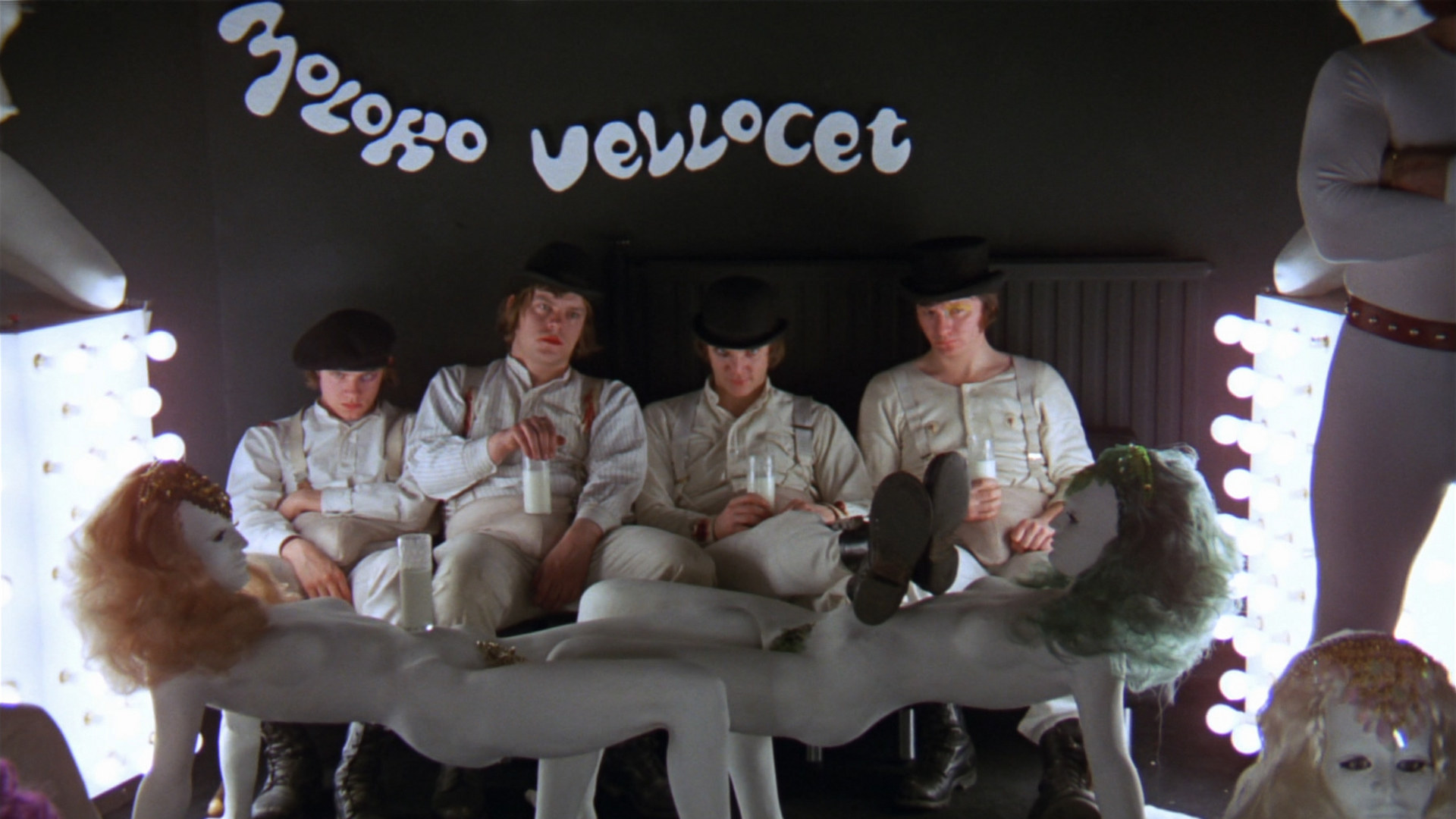
This meme describes a viral internet phenomenon where people hear horror movies or get scared but instinctively run away instead of reacting calmly. The image shows a group of men in hats sitting in front of the text "Zoloko vellocet," which is the French name for the group "Cocaine Crew" from the movie Papes, highlighting their bizarre, non-reactionary attitude toward the dark environment.
simple-description (llama3.2-vision_11b)
The meme is an image from the 1972 dystopian film "A Clockwork Orange" by Stanley Kubrick. The image depicts a group of young men in a violent, aggressive, and nihilistic state, wearing droog-like outfits. The text "Papes - Dark" is not present in the image, but the meme is likely referencing the film's dark and violent tone.
detailed-analysis (gemma3-27b-vision)
Okay, let's analyze the image, drawing on the frameworks you've requested. This image is a still from David Lynch's Eraserhead (1977), and is incredibly rich for interpretation.
Visual Description
The image is stark and unsettling. It shows five young men, dressed in nearly identical, somewhat androgynous outfits—light-colored jackets, dark trousers, and hats—seated on a long, white, undulating structure resembling a row of stylized horses. Each man holds a glass of white liquid (milk), and they all appear to be in the act of drinking.
The setting is a brightly lit, clinical white room, punctuated by bizarre, oversized light fixtures that frame the scene. The background is largely featureless, emphasizing the figures and the "horses". Flanking the scene are two dolls, also in white, that add to the general uncanny feeling. Above, a sign reading "moo-goo gai pan" is mirrored, creating a surreal, disorienting effect. The composition is highly symmetrical but broken by the undulating shape of the horses and the subtly different expressions of the men. The lighting is harsh and flat, eliminating shadows and contributing to the overall artificiality and sense of unease.
Foucauldian Genealogical Discourse Analysis
This image is deeply amenable to Foucauldian analysis. The scene functions as a site of disciplinary power. Consider the following:
- Normalization and Surveillance: The identical dress of the men, their synchronized action of drinking, and the clinical setting all suggest an attempt at normalization and control. The image speaks to how societies produce "docile bodies" through repetitive, regulated actions.
- Discourse of Purity and Reproduction: Milk is symbolically linked to nourishment, innocence, and reproduction. However, within the context of Eraserhead, these symbols are deeply corrupted. The men's consumption of this seemingly pure substance is presented as unsettling, suggesting a fear of the reproductive process itself. The mirrored sign adds to the distortion and the questioning of conventional meaning.
- The "Normal" and the "Abject": By presenting this bizarre tableau as a seemingly normal occurrence, the image challenges our assumptions about what constitutes "normalcy" and highlights the construction of the "abject"—that which threatens the established order. The men could be interpreted as a manufactured ‘ideal’ of youth, conformity and virility, and the scene is a performance of that ideal, but one that is ultimately deeply unsettling and disturbing.
- Genealogy of "Family": Eraserhead is filled with dysfunctional familial imagery. This scene is an early and potent representation of that theme. Analyzing the “genealogy” of the family, we can see that the image subverts conventional family tropes. It presents a sterile, unsettling version of what family could be, lacking warmth or genuine connection.
Critical Theory (Frankfurt School)
The image resonates with themes explored by the Frankfurt School.
- The Culture Industry: The highly stylized and artificial nature of the scene can be seen as a critique of the "culture industry" – the mass production of standardized cultural goods. The men and the scene itself feel like products, lacking individual expression or authenticity.
- Alienation: The men appear disconnected and robotic, their synchronized actions reinforcing a sense of alienation and lack of genuine human connection. Their identical outfits and the sterile environment contribute to a sense of being dehumanized and commodified.
- Instrumental Reason: The scene could be seen as a critique of "instrumental reason"—the reduction of human beings to means for achieving specific ends. The men are performing a ritualistic act without any apparent purpose or meaning, suggesting a loss of autonomy and agency.
Marxist Conflict Theory
While not immediately obvious, a Marxist reading is possible.
- Commodification of the Body: The men can be seen as embodiments of labor, their bodies subjected to control and manipulation (through the uniformity of dress, synchronized actions, and consumption of the milk).
- Alienation and False Consciousness: The scene speaks to the alienation of labor in capitalist society. The men appear as interchangeable units, devoid of individuality or agency. The mirrored sign, suggesting a fabricated desire for something (the "moo-goo gai pan"), could represent the creation of false needs through consumer culture.
- Reproduction of the Labor Force: The imagery of milk and reproduction ties into the Marxist concept of social reproduction – the ways in which labor is sustained and perpetuated across generations. In Eraserhead, this process is presented as fraught with anxiety and dread.
Postmodernism
This image is a quintessential postmodern tableau.
- Simulation and Hyperreality: The scene is a simulation of a family meal, a hyperreal representation that lacks authenticity or grounding in reality. The artificiality of the setting and the bizarre elements (horses, mirrored sign) contribute to this effect.
- Fragmentation and Deconstruction: The image fragments traditional notions of family, gender, and identity. The androgynous appearance of the men and the deconstruction of conventional rituals contribute to this fragmentation.
- Irony and Parody: The scene is steeped in irony and parodies conventional representations of domestic life. It subverts expectations and challenges our assumptions about what constitutes “normal” or “meaningful” experiences.
- Loss of Grand Narratives: The scene doesn't offer any coherent or overarching narrative. It’s a fragmented, ambiguous image that resists easy interpretation. This reflects the postmodern rejection of “grand narratives” (universal explanations or ideologies).
Queer Feminist Intersectional Analysis
This framework can uncover particularly potent readings.
- Gender Performance and Androgyny: The men’s androgynous presentation challenges binary notions of gender and complicates traditional understandings of masculinity. Their outfits and subdued demeanor destabilize heteronormative expectations.
- Reproductive Anxiety and Control: The imagery of milk and reproduction is deeply linked to societal expectations of women's bodies and reproductive roles. Eraserhead presents this process as nightmarish and oppressive, suggesting a fear of female agency and reproductive freedom.
- Performance of Social Roles: The men’s synchronized action can be read as a performance of social roles—expectations of conformity and obedience—that are often imposed on marginalized groups. The scene critiques the ways in which social norms can be used to control and suppress individual expression.
- Critique of the Nuclear Family: The image subverts the idealized image of the nuclear family and exposes its underlying power dynamics. The scene questions the notion of the family as a harmonious and natural unit, exposing its potential for control, alienation, and oppression.
I hope this detailed analysis, drawing on the frameworks you requested, provides a robust interpretation of the image. Let me know if you'd like me to elaborate on any particular aspect.
simple-description (llama3.2-vision)
The meme is a screenshot from the 1972 film "A Clockwork Orange" where a group of young men, known as the "Droogs," are sitting in a room with a woman, and one of them is about to rape her. The text "I want to hurt you" appears in the image, but it's not a quote from the scene. The meme is likely referencing the violent and disturbing nature of the scene, and the text is being used in a humorous or ironic way to express a desire to harm someone.
tesseract-ocr
| a Ps _ | VT Nae a 1 aT * a y ©. ~~ ; 7 i , | E oY | * 3 bs lj . a i *.