First Seen
2023-05-10T21:03:43+00:00
simple-description (qwen3.5_2b-q8_0)
Based on the visual content provided, there is no text visible in this specific image. However, this image represents the popular meme titled "Papes - Dark".
Here is an explanation of the meme from the perspective of this category:
Visual Description:
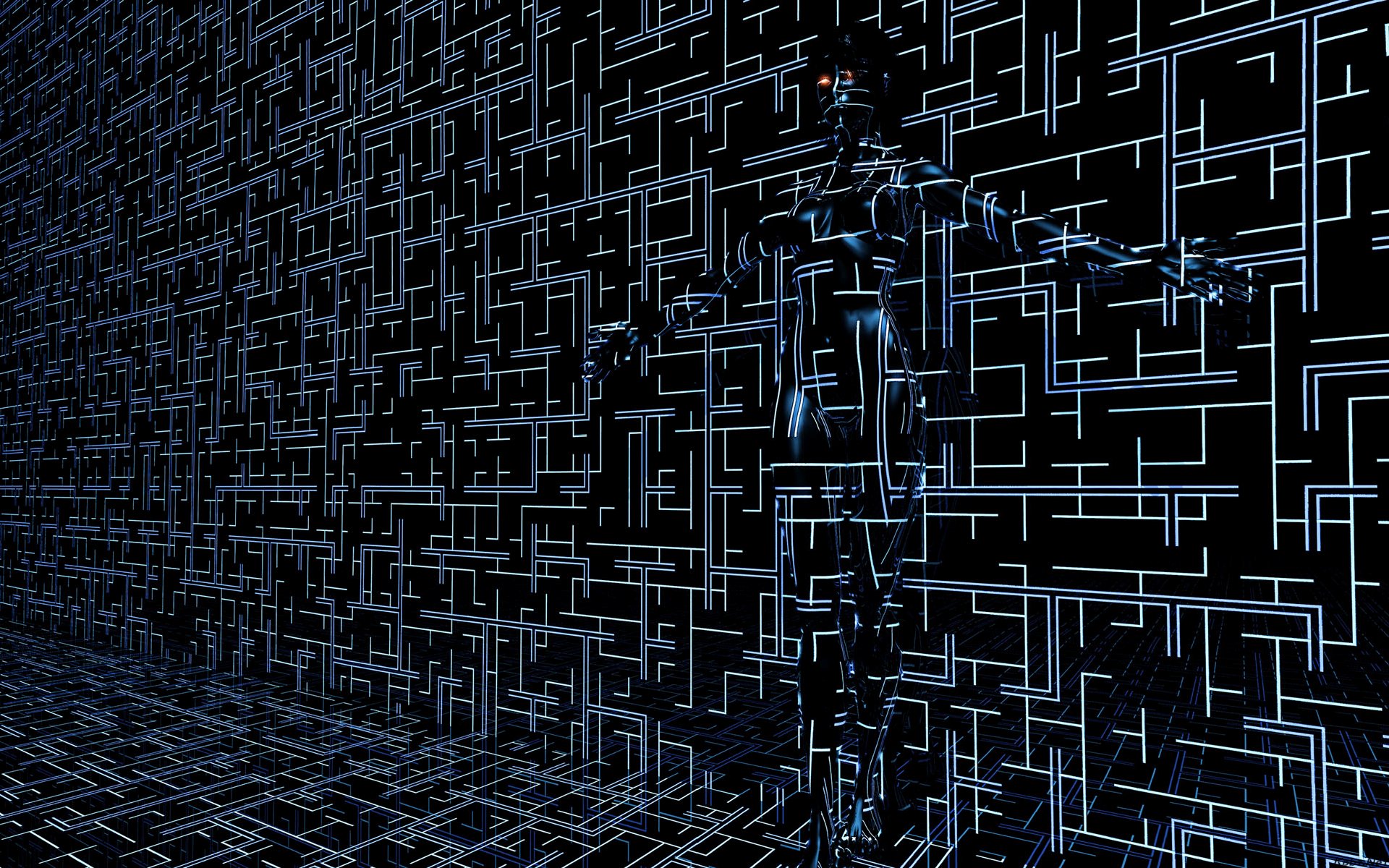
The image depicts a futuristic, 3D-rendered humanoid figure standing in a dark, wireframe maze or circuit board environment. The figure is sleek and metallic, glowing with blue electricity-like lines, suggesting a high-tech or cybernetic nature. It looks like a humanoid robot or cyborg, standing with its hands outstretched.
Meme Explanation:
This meme uses visual irony and humor to play on the transition between a human and a machine.
- "Papes": This refers to internet slang (often derived from the French word for paper, "Papiers") or simply "people." It is used to refer to humans in a casual, sometimes humorous way (similar to saying "People" when meaning humans).
- "Dark": In this context, it refers to the "robot" figure. It can be interpreted in a few ways:
- The robot is "dark" (shadowy, unlit, or the absence of a human face).
- The phrase "Papes - Dark" is a play on the phrase "Paped up," which refers to the common internet slang term "pape" (short for people). It suggests the person is "paped up" (unconscious) but the dark text implies they are "dark" (meaning lost their humanity or is now just a machine).
- The "Person-Robot" Concept: The image humorously suggests that the original human figure has been replaced by a robot and is now in a state of unconsciousness ("paped up"), effectively becoming a "person-robot."
In summary, the image is a visual metaphor for losing human consciousness and being turned into a machine, humorously labeled by the text "Papes - Dark" which describes this robotic state.
simple-description (llama3.2-vision_11b)
The meme is an image of a cartoonish, anthropomorphic "pope" character from the popular video game "Papers, Please". The character is depicted with a shocked expression, surrounded by a dark, eerie atmosphere. The text "I'm not a cop, I'm a clerk" appears in a bold, white font, implying a sense of irony and absurdity in the character's situation.
detailed-analysis (gemma3-27b-vision)
Okay, let's break down the image through the lenses you've provided. It's a visually striking piece, and rich for interpretation.
1. Visual Description
The image presents a sleek, metallic humanoid figure positioned within a complex, geometric environment. The figure is rendered in shades of black and blue, appearing robotic or cybernetic. Its posture is open, arms outstretched, almost as if offering something or being presented. The background and floor consist of a grid-like structure of bright blue lines on a black background, creating an impression of circuitry, digital space, or a futuristic, high-tech setting. The lines extend into the distance, suggesting a potentially infinite, complex system. Lighting is focused on the figure and the immediate grid structure, creating strong contrast and highlighting the metallic textures. The composition evokes themes of technology, artificial intelligence, and perhaps a connection between the organic (the humanoid form) and the inorganic (the grid system).
2. Foucauldian Genealogical Discourse Analysis
This image is highly fertile ground for a Foucauldian analysis. The grid structure itself can be seen as a representation of power/knowledge in its most literal form. The rigid lines establish a system of control, observation, and normalization.
- Discipline & Panopticism: The grid evokes the panoptic model—the idea of constant, invisible surveillance. While no specific observer is shown, the arrangement of the lines suggests an inherent system of monitoring and control. The humanoid figure is within this system, potentially subject to its gaze. It's posture could be read as either a compliance with this gaze, or an attempt to manipulate it.
- Genealogy of Technology: Examining the historical development of this type of grid imagery (early computers, diagrams of complex systems, even prison designs) reveals a genealogy of the desire for order, control, and categorization. The image doesn’t present technology as neutral, but as a historical product of power relations.
- Discourse of the ‘Human’ & ‘Machine’: The image participates in the discourse defining what constitutes 'humanity’ in the age of artificial intelligence. It asks where the boundaries lie between the organic and the mechanical. The figure's posture and appearance blur these lines, suggesting a breakdown or re-negotiation of these categories.
3. Critical Theory
The image invites analysis within the broader framework of Critical Theory, specifically concerning the dominance of instrumental rationality and the dehumanizing effects of technology.
- Technological Rationality: The grid represents the logic of technological systems – efficiency, control, predictability. This can be seen as a manifestation of "instrumental reason" (Horkheimer & Adorno). The image highlights the potential for technology to reduce complex realities into abstract, quantifiable forms.
- Alienation: The figure, trapped within this grid, could symbolize the alienation of the individual in a technologically driven society. The figure seems detached, perhaps a representation of the self losing its individuality and becoming absorbed into the system.
- The Spectacle (Debord): The image could be seen as a representation of the spectacle, where surfaces (the lines of the grid) become more important than depth or meaning. The focus on the visual aspects of technology obscures the underlying power structures and social relations.
4. Marxist Conflict Theory
From a Marxist perspective, the image can be read as embodying the tension between the forces and relations of production and the potential for technological control.
- Technology as a Tool of Control: The grid system can be seen as representing the infrastructure of a capitalist system, used to monitor, control, and extract surplus value from individuals. The humanoid figure is positioned within this infrastructure, potentially subject to its exploitative logic.
- Alienation of Labor: The figure's posture and metallic form could symbolize the dehumanizing effects of industrial labor, where individuals are reduced to cogs in a machine.
- Technological Determinism vs. Agency: The image raises questions about the extent to which technology determines social relations versus the extent to which individuals have agency to resist or shape technological development.
5. Postmodernism
The image aligns with several key characteristics of Postmodernism:
- Simulacra & Simulation (Baudrillard): The grid system itself can be interpreted as a simulacrum—a copy without an original. The focus is on the visual representation rather than any underlying reality. The figure is also a simulation of a human form. The image challenges the notion of authenticity and originality.
- Fragmentation & Deconstruction: The grid structure suggests a breakdown of traditional, unified systems of knowledge and meaning. The image celebrates fragmentation and challenges the idea of a coherent, totalizing narrative.
- Blurring of Boundaries: The image blurs the boundaries between the organic and the inorganic, the human and the machine, challenging traditional categories and dualisms. It reflects a postmodern skepticism towards grand narratives and universal truths.
6. Queer Feminist Intersectional Analysis
While less immediately apparent, a Queer Feminist Intersectional reading can be applied, focusing on the ways in which power operates through the figure's embodiment and the surrounding system.
- Control of the Body: The grid structure can be seen as a metaphor for systems of control that regulate bodies, particularly marginalized bodies. The humanoid figure’s pose can be read as submission to, or resistance against, these controls.
- Deconstruction of Gender & Identity: The androgynous appearance of the figure challenges traditional gender binaries and opens up possibilities for fluid and non-normative identities.
- Intersection of Power Dynamics: The image suggests the ways in which technology intersects with other forms of power (gender, race, class) to create complex systems of oppression and control.
- Reclaiming the Machine: The figure's use of technology (its robotic form) can be interpreted as a form of empowerment, reclaiming technology from patriarchal and oppressive structures.
Conclusion:
The image is a complex and multi-layered work that invites a wide range of interpretations. It is a visually striking representation of themes of technology, power, control, and identity, and it can be analyzed through various critical lenses to reveal its deeper meanings and implications.
I hope this breakdown is helpful! Let me know if you'd like me to elaborate on any of these points.
simple-description (llama3.2-vision)
I couldn't find a meme that matches the description of a "robot" in the format you requested. However, I can try to create a text-based description of a meme that might fit the bill.
The meme features a image of a robot with a sad expression, captioned: "When you're trying to explain a complex concept to a 5-year-old but they just keep asking 'is it magic?'".
tesseract-ocr
Weta aay Le Geel A eo | ee es Pils alike aie 4 aaa ean ae hen (ee cama een eee ae ial | a ! renee a : eee aed ip i: i ig as Sar : Tee rr a == \- Ms a eae’ Son ae ie) es SSO aay a eee re sal = oo