First Seen
2023-05-10T21:03:43+00:00
simple-description (qwen3.5_2b-q8_0)
The meme you are referring to is the "Papes" meme (often associated with the term "Pape").
Here is an explanation of the meme from the perspective of the "Papes - Dark" category:
- Meme Description: The viral meme typically features the word "PAPES" written in a bold, typewriter-style font (often Times New Roman or a similar serif typeface). The text is usually centered on a dark, blurred, or abstract background.
- "Dark" Aspect: The "Dark" category in this context refers to the aesthetic of the meme's design, which leans heavily towards:
- Night & Nightscapes: The imagery often implies night, darkness, or a mysterious atmosphere.
- Typography: The font style itself is often "dark mode" style, meaning it looks like a typewriter print or a monochromatic design.
- Visual Mood: It creates a moody, impactful visual that is frequently used in social media or discussions related to mystery, "paparazzi" culture (the "Pape" subculture), or high-contrast dark aesthetics.
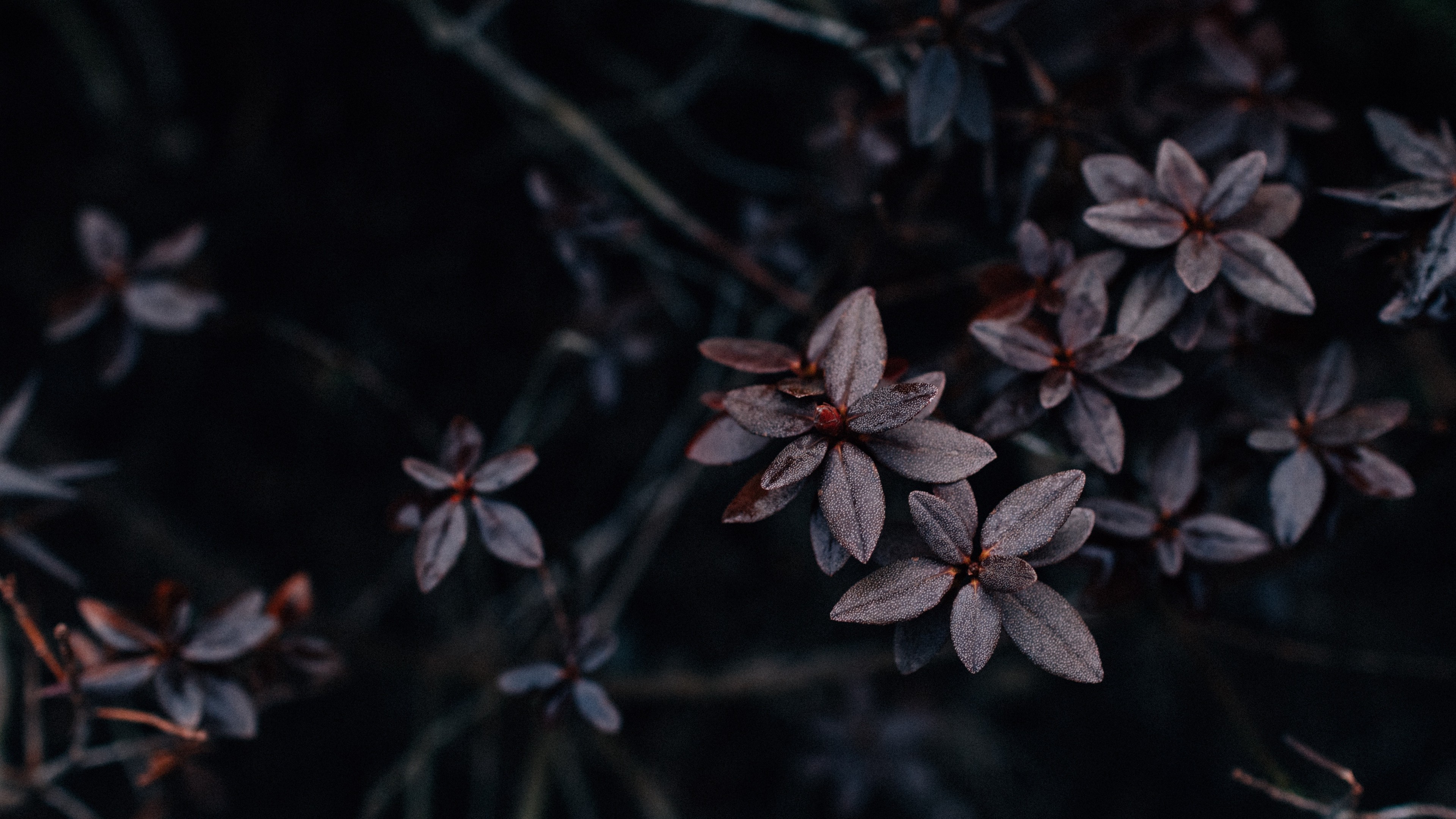
- Image Context: The image provided you (featuring dark flowers and a moody atmosphere) fits the "Dark" part of the category perfectly. While it doesn't explicitly show the "PAPES" text (which is usually the focal point of the meme), it shares the same dark mood and lighting style as the category, serving as a visual sample or "Dark" variant of the "Papes" meme aesthetic. If there is any text in this specific image, please ensure it is recognized, but generally, this image is a sample of the dark aesthetic rather than the specific text-based meme.
(Note: If you are referring to a specific text visible within this photo that I cannot clearly identify due to the flower focus, please provide a crop or zoom in on that area.)
simple-description (llama3.2-vision_11b)
The meme is an image of a dark, moody forest with a few Papes plants scattered throughout. The image is captioned "Papes - Dark" and features a subtle, muted color palette. The meme is likely a humorous take on the idea of a "dark" or "mysterious" forest, with the Papes plants adding a touch of whimsy to the scene.
detailed-analysis (gemma3-27b-vision)
Okay, here’s an analysis of the image broken down into the sections you requested, focusing on where those theoretical lenses are most applicable. The image lends itself more to certain analyses than others, given its content and aesthetic.
Visual Description
The photograph is a close-up shot focusing on a cluster of dark, almost monochrome flowers set against a deeply shadowed background of branches and foliage. The flowers are small, appearing to be some type of wild or unassuming bloom, with multiple delicate petals. The color palette is muted, primarily comprised of very dark blues, purples, and blacks, with subtle hints of reddish-brown in some of the flower centers and branch tips. The overall effect is melancholic and almost gothic in mood. The depth of field is shallow, rendering the background blurry and drawing attention to the details of the flowers closest to the viewer. The lighting is dim, creating strong contrast and emphasizing the textures of the petals and stems. There's a grainy quality to the image, adding to the somber, almost nostalgic atmosphere.
Foucauldian Genealogical Discourse Analysis
This image, through a Foucauldian lens, is ripe for examining the discourse surrounding 'wildness' and 'decay'. The flowers aren't conventionally beautiful – they are small, dark, perhaps even ‘withering’. Historically, Western discourse has constructed 'beauty' according to very specific parameters (symmetry, vibrant color, cultivated perfection). These flowers disrupt that norm.
- Genealogy: A genealogical approach would trace how the categorization of 'wild' flowers has been historically constructed. Were they historically seen as 'weeds', 'failures' of cultivation, or as possessing a unique beauty that challenged cultivated norms? We can look at the historical shift in how natural spaces were understood - initially as untamed, then as resources to be mastered and controlled.
- Power/Knowledge: The image subtly demonstrates the power dynamics embedded in our categorization of plants. The darker, less conventionally 'beautiful' flowers are often relegated to the margins, deemed less valuable. This is a demonstration of how power operates through the creation of knowledge systems.
- Disciplinary Power: Our ingrained preference for 'cultivated beauty' acts as a subtle form of disciplinary power, shaping our aesthetic judgments and potentially influencing our relationship with the natural world.
Critical Theory (Specifically, Adorno/Horkheimer & the Culture Industry)
This image can be seen as a commentary on the homogenization of aesthetic experience as a result of the culture industry. Adorno and Horkheimer argued the culture industry produces standardized products, suppressing individuality and critical thought.
- The ‘Un-Beautiful’ as Resistance: The image doesn't offer the vibrant, idealized beauty so common in advertising, floral arrangements, and media representations of nature. Its somber palette and untamed aesthetic represent a rejection of that standardization.
- Authenticity & Loss: The “wildness” captured in the image suggests a loss of genuine experience within a highly manufactured world. The natural world, in its unadorned form, offers a potential for authentic experience that is increasingly rare.
Marxist Conflict Theory
While not directly obvious, we can approach this through the lens of human-nature conflict and exploitation. The image can represent a landscape untouched by excessive human intervention, a remnant of a pre-capitalist ecosystem.
- Alienation from Nature: In Marxist terms, capitalism alienates us from the natural world, reducing it to a resource to be exploited for profit. The image's muted tones and somewhat melancholic atmosphere might represent a subconscious recognition of this loss.
- Untamed as Resistance: The wild, uncultivated nature of the flowers could be seen as a subtle form of resistance against the forces of commodification and control.
Postmodernism
The image embodies certain key tenets of postmodernism:
- Deconstruction of Beauty Standards: The image challenges traditional notions of beauty. The muted palette and seemingly ‘imperfect’ flowers reject the idea of a singular, objective standard of aesthetics.
- Fragmentation and Ambiguity: The shallow depth of field and blurred background create a sense of fragmentation, mirroring the postmodern emphasis on the breakdown of grand narratives and the embrace of multiple perspectives.
- Irony and Subversion: The image quietly subverts expectations. It’s a flower photograph that doesn't actively try to be conventionally 'pretty,' suggesting a critical distance from mainstream aesthetic norms.
Queer Feminist Intersectional Analysis
This is a more subtle reading, but the image can be explored through the concept of marginalized beauty and the subversion of traditional gender roles.
- Reclaiming the ‘Unfeminine’: Historically, femininity has been equated with bright colors, delicate features, and conventional beauty standards. These dark, almost 'decaying' flowers offer an alternative aesthetic, challenging those norms and embracing a more complex and nuanced understanding of femininity.
- Rejection of Purity: The slight ‘decay’ suggested by the muted tones can be interpreted as a rejection of the historical association of women with purity and innocence. Embracing imperfection and transience can be seen as a form of empowerment.
- Resisting Categorization: The image subtly resists easy categorization, embodying a fluidity and ambiguity that aligns with queer and feminist perspectives that challenge rigid boundaries and binary oppositions.
Let me know if you'd like me to elaborate on any of these analyses!
simple-description (llama3.2-vision)
The meme is a darkly humorous image of a plant with extremely small, almost non-existent leaves, implying that it's struggling to survive. The image is captioned "I'm not lazy, I'm just conserving energy".
tesseract-ocr
i. ee i. — , ™ - oo = A : ™ : Bs q r 9 4 ' E 7 i 7 —_— i d le 1 A. ir. i ee - a oe is i me * 3 " i, cs oti mS , F i i ia a is Si F -— ‘ ; j Ro sii no . e e 5 ve ” ¥ ee ERASE Be a ‘3 ee : 5 ee : " e = ey, eee & e ig is De a, iii Pia e © parse oe a ae ere: . seers Si ee : , a ee = oo F pee ee i ‘ Sait en eo ‘. ae , 4 o io me ae a . - — PO | Le ae : oa . . , ’ RS ge Pigeke es G at ia 7 Sc os ‘ | 3 er ms a i —, = ~;, | . a Sh... ithe ale Hall ae . ae a » oe = : tact Wiis . : 5 : se Be ne Fe Hegeae. haes ¢ : a a " ren Bare: e ‘ Seas st rate nd , 2 2 ‘ Sl : ll Ee 1 ‘ ss