First Seen
2023-05-10T21:03:43+00:00
simple-description (qwen3.5_2b-q8_0)
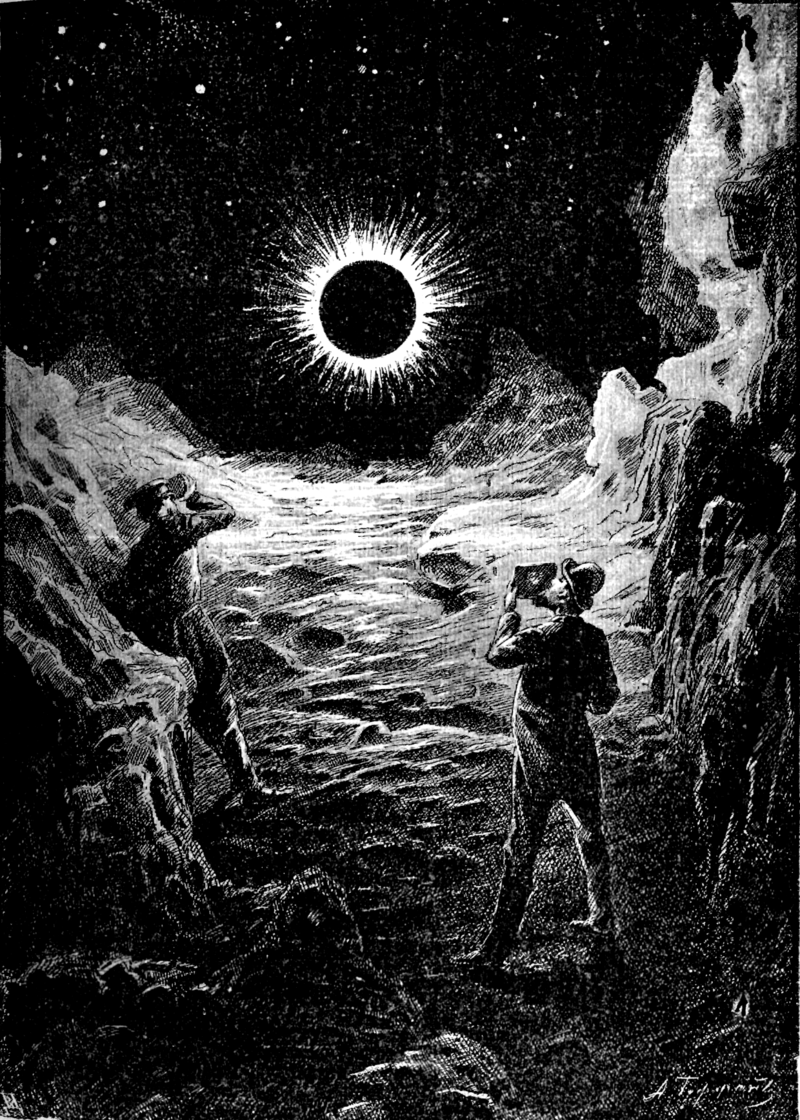
This meme plays on the "Dark Peppa Pig" trend by replacing the cute cartoon pig with a dark, sci-fi cosmic horror scene. The image depicts two men standing on a rocky landscape looking up at a massive, radiant celestial event that resembles a giant solar eclipse. One man points a telescope to observe the sky while the other looks at a strange object. The small text in the bottom right corner is a signature, likely reading "A. Fry," indicating that this is a dark story, implying that the surface is a dark planet and the sky is filled with terrifying cosmic phenomena.
simple-description (llama3.2-vision_11b)
This meme is an image of a dark, gothic-inspired illustration of a pope-like figure in a dark, eerie setting. The image features a caption that reads "I can smell the desperation" in a bold, gothic font, implying that someone is feeling overwhelmed or desperate in a situation. The image is likely being used to express frustration or exasperation at a situation that is feeling hopeless or dire.
detailed-analysis (gemma3-27b-vision)
Okay, let's break down this striking woodcut illustration through the requested theoretical lenses. It’s important to note that these are interpretations, and there's room for multiple readings.
Visual Description
The image is a high-contrast black and white woodcut illustration, appearing to depict a dramatic scene during a total solar eclipse. The composition centers around two figures, seemingly explorers or scientists, standing in a rugged, rocky landscape. A total solar eclipse dominates the sky, the sun appearing as a dark void encircled by a bright corona.
The style is reminiscent of 19th or early 20th-century scientific illustration. The linework is dense and expressive, conveying a sense of awe and perhaps a touch of anxiety. The landscape is sharply angular, suggesting jagged cliffs and deep ravines. One figure, wearing a hat and coat, is holding what appears to be a camera or viewing device, directed towards the eclipsed sun. The other figure is leaning against a cliff, with arms outstretched and appearing to be gazing upwards in astonishment. The sky is filled with tiny stars, accentuating the vastness of space and the scale of the eclipse. The overall mood is dramatic, slightly unsettling, and evokes a sense of discovery and the sublime.
Foucauldian Genealogical Discourse Analysis
This image lends itself well to a Foucauldian reading. The eclipse itself can be considered a discursive event. In the 19th and early 20th centuries (the likely timeframe of this illustration), total solar eclipses weren't merely astronomical occurrences, but epistemological events. They were moments when existing scientific knowledge was actively tested and reformulated.
- Power/Knowledge: The act of observing and documenting the eclipse (represented by the figure with the camera) isn't neutral. It's an exercise of power through knowledge. The camera and scientific methodology become instruments for establishing authority and control over understanding the universe. The knowledge gleaned from the eclipse constitutes the observers as authorities.
- Genealogy of Observation: A genealogical approach would trace the history of how we came to see and understand eclipses in this way. We’d look at the development of astronomy, optics, photography, and the scientific institutions that shaped this particular mode of observation. The image depicts a specific, historically situated way of knowing – one that privileges empirical observation and documentation.
- Discursive Formation: The very categories of “scientist”, “observation”, “documentation”, “eclipse” are not natural or self-evident but are formed through discourse. This image embodies this formation, showcasing a certain regime of truth surrounding the scientific pursuit of knowledge.
Critical Theory (specifically, Adorno and Horkheimer’s "Dialectic of Enlightenment")
Through a critical theory lens, especially drawing on the work of Adorno and Horkheimer, we can see a subtle tension at play. The image initially appears to celebrate human rationality and scientific progress. The figures are actively attempting to understand and dominate nature through observation.
However, a critical reading suggests a more ambivalent outcome. The immense power of the eclipse—a natural phenomenon that overwhelms the senses—hints at the limits of Enlightenment reason. The dark void at the center of the sun represents the "irrational" forces that lie beneath the surface of order and control.
- Instrumental Reason: The camera, as an instrument of reason, is used to dissect and categorize the natural world. But this pursuit of control potentially alienates humanity from nature and obscures its inherent mystery.
- Myth and Enlightenment: The eclipse, traditionally associated with myth and superstition, is being subjected to scientific scrutiny. However, the sublime, awe-inspiring quality of the event suggests that the mythic dimension hasn't been fully extinguished.
Marxist Conflict Theory
From a Marxist perspective, the image can be interpreted as symbolic of the human attempt to conquer nature and extract knowledge for economic and technological advancement. The explorers/scientists represent a particular class – the bourgeoisie or the scientifically-trained class – who benefit from the knowledge gained through this observation.
- Control of Knowledge: The scientific observations made during the eclipse can be seen as a form of control over natural resources. Understanding the universe allows for the development of technologies that can be used to exploit and manipulate the environment.
- Class Relations: The image doesn't explicitly depict class conflict, but the very act of scientific inquiry can be seen as a reflection of a dominant ideology that prioritizes technological progress and economic growth.
- Alienation: The figures are distanced from the raw power of the eclipse, observing it through the lens of technology. This separation reflects the alienation of labor in a capitalist society, where individuals are disconnected from the natural world and their own creative potential.
Postmodernism
A postmodern reading emphasizes the instability of meaning and the subjective nature of experience.
- Deconstruction of Grand Narratives: The image can be seen as challenging the grand narrative of scientific progress. The eclipse, as a chaotic and unpredictable event, disrupts the linear progression of knowledge and exposes the limits of human understanding.
- Subjectivity of Observation: The viewer’s interpretation of the image is shaped by their own cultural background, personal experiences, and theoretical frameworks. There is no single, objective truth to be found.
- Simulation and Hyperreality: The photograph (or illustration intended to mimic a photograph) creates a simulation of the eclipse. The image is not the eclipse itself, but a mediated representation that shapes our perception of reality.
Let me know if you'd like me to elaborate on any of these interpretations or explore additional theoretical lenses.
simple-description (llama3.2-vision)
The meme is an image of a person looking up at the sun, with their face contorted in a mixture of pain and awe. The text overlayed on the image reads: "I can see your face from here" - a humorous reference to the common phrase "I can see your face from here" being used in a literal and absurd way to describe the sun's intense brightness.
tesseract-ocr
+ ec y Ceres ‘ Daan ee 5 i b% 4 oe ; ? Ww ra e ol . ae . ns» - (ok Be ‘ , : Pee: ae Ge Pans eR EAE aS ON ARES PF ese ae RAMEE Aton CS BE eS Ue a t ag Bee 1) eae ; oe) eee : areas fs: a, Se as aa eer. — anne ye © 1G Sp ee ed Gees ‘he Lc ee eo Se YS <a EME os AEA i bs. a \. 5 LT fe ee a | ee Gy * Qa Eee i LI, “A, ie A ane ers oO te” 4 TY a h he sia TO aa j BN lee a ne oe ie a aa Sega {a 2 GT, ee ee SS pe a ee = OD ee i Me eee a MG os a NRE Neg ee, ok eM” | PMR pT sae ES RR a 2 mo: ib. nt elt Mx Se SIE cose OA Bae Vana See ae ee ne er tee GN ocd ae OTE es a ot COPA a $y, AOR: PREPS gt VOR OUR Ci eee ee ee re ese ee a eee eee Be ag sg ioe Rr eee Pes CBee ah ane), LO Boe een als Oi Sah ct. RRP akc rcs as Seana ent aa i ices The oak for eae arenas Sones | : an : ‘i eat hy) EAR SRT ae eRe 3 eter Rr a ea ae ar ey eg TIT CNS. OR UN ae RO ae Sree uns, HN eee : i ee SE gre rere ag os iti ne icc Ware reste en