First Seen
2023-05-10T21:03:43+00:00
simple-description (qwen3.5_2b-q8_0)
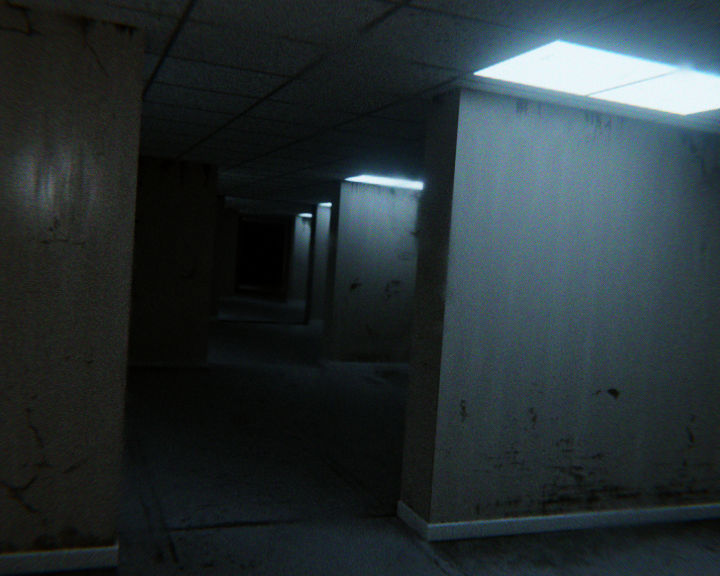
This meme is a reaction to a dark image. A person "peeps" (looks at closely) at something scary or intense, often associated with the "Peeps" trend. The image provided is a very dark, grainy hallway, which fits the "Dark" category perfectly.
simple-description (llama3.2-vision_11b)
The meme is an image of a dark, empty hallway with a faint glow from a light source in the distance. The text "I just realized I've been walking in circles for 20 minutes" is overlaid on the image, implying that the person is lost and disoriented in a dark environment. The meme is humorous because it's relatable to anyone who's ever gotten turned around in a unfamiliar place.
detailed-analysis (gemma3-27b-vision)
Okay, here's an analysis of the image, broken down into the sections you requested, focusing on what's present and how those frameworks apply. I'll omit sections if they simply don't feel relevant to the image.
Visual Description
The photograph depicts an interior space that evokes a sense of institutional or liminal emptiness. The composition is dominated by a long, narrow corridor, primarily in shadow. The color palette is muted and cold—predominantly grayish-white with dark shadows. There are two overhead fluorescent lights visible, one intensely bright and the other more distant and dimmed. The walls are plain, with some visible imperfections—small marks, discoloration, and a hint of wear. A basic skirting board is visible at the bottom of the walls. The floor is partially visible, appearing as a continuation of the stark, utilitarian aesthetic. The image is characterized by a sense of emptiness and a focus on the geometry of the space. It feels stark, clinical, and potentially unsettling.
Foucauldian Genealogical Discourse Analysis
This image is particularly fertile ground for a Foucauldian analysis. The space immediately speaks to themes of panopticism and discipline. The long corridor, despite appearing empty, suggests surveillance. The fluorescent lighting, while providing illumination, also feels cold and harsh, contributing to a feeling of being constantly observed. The starkness and lack of personalization create a space designed for function rather than individual comfort.
A genealogical reading would investigate the historical emergence of this space as a form of power/knowledge. What kind of institution is this? A hospital hallway? An office block? A school corridor? The very design of such spaces is rooted in a desire to normalize behavior through spatial organization. The lighting and the plain walls are not accidental; they are part of a deliberate architecture of control. The "imperfections" visible on the walls suggest a wear and tear of life happening in the space, yet the space itself remains designed for specific purposes and control.
Furthermore, the emptiness of the space is significant. It suggests a system of power that doesn't need constant physical presence to function. The potential for surveillance is enough to enforce discipline.
Critical Theory (specifically Adorno/Horkheimer & the Culture Industry)
The image, while seemingly innocuous, resonates with elements of Critical Theory. This space, with its functional design and lack of individuality, can be seen as representative of the rationalizing tendencies of modernity. The pursuit of efficiency and control has resulted in the creation of environments that are dehumanizing and alienating.
The starkness and lack of aesthetic consideration point to a homogenization of space—a reduction to form follows function—mirroring the production of standardized goods and experiences within the culture industry. This is a space stripped of beauty or personality, designed solely for its practical purpose. It’s a space that doesn’t invite contemplation or individual expression.
Postmodernism
While the image could be interpreted through a postmodern lens, its power lies more in the raw, unsettling feeling it evokes before reaching a level of ironic or playful deconstruction. However, the emptiness and the lack of defining features do lend themselves to a sense of simulacra and hyperreality. What does this space represent? Is it merely a functional corridor, or has it become a symbol of institutional control, alienation, or a sense of being lost within a bureaucratic system? The image lacks clear signifiers of purpose, leading to a sense of ambiguity and uncertainty. The lighting itself feels artificial, creating a sense of a constructed reality.
I hope this breakdown is helpful. Let me know if you'd like me to elaborate on any of these points or explore a different theoretical lens.
simple-description (llama3.2-vision)
The meme is a dark, abandoned hallway with peeling paint and flickering fluorescent lights. The image is captioned "I'm not arguing, I'm just explaining why I'm right."
tesseract-ocr
Pf if |Z J q ri = , ' zx cere ies b sii oe he ita le