First Seen
2023-05-10T21:03:43+00:00
simple-description (qwen3.5_2b-q8_0)
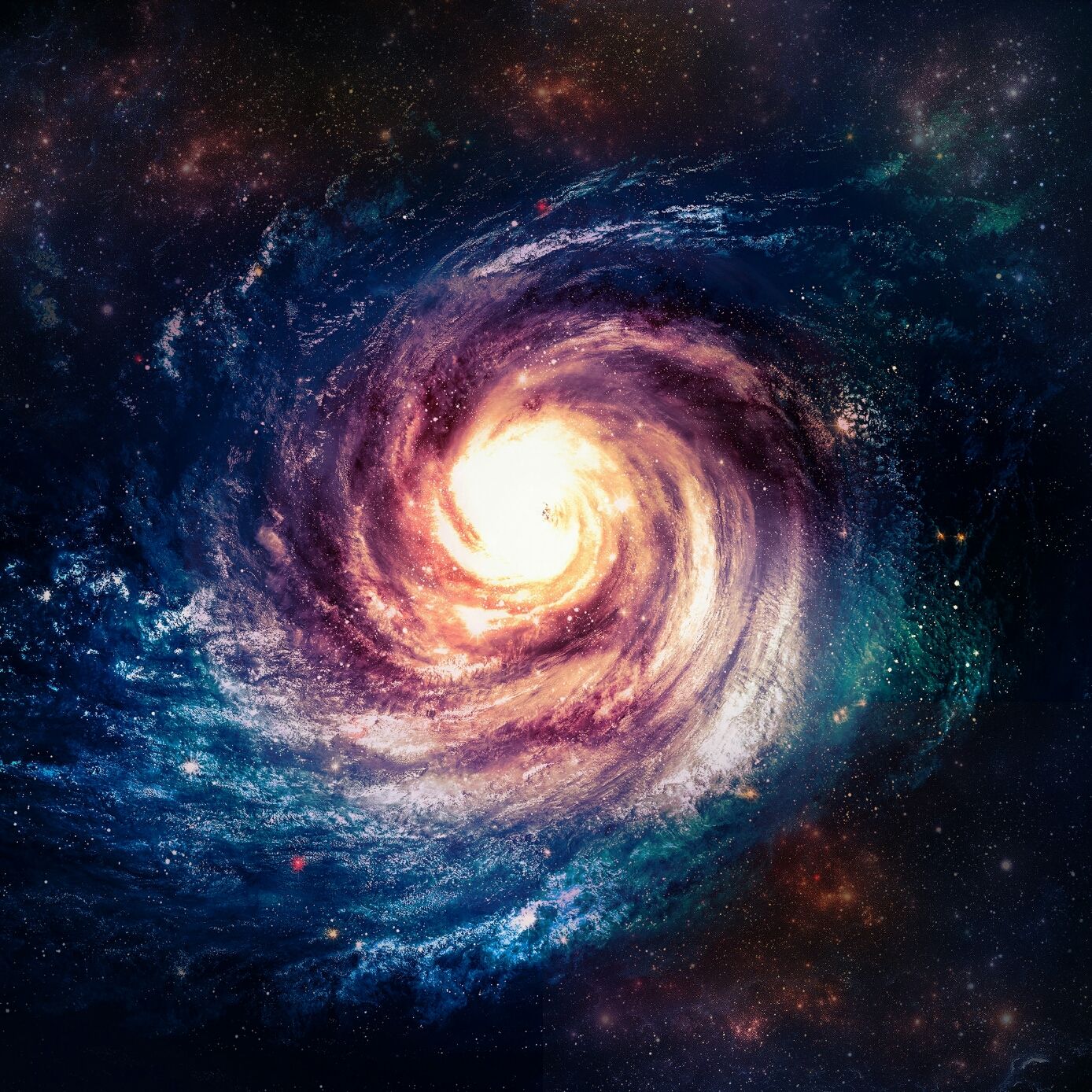
The image provided appears to be a spiral galaxy, and it does not contain any text. There is no text visible in the image, such as the word "PAPES" or any other characters that might be associated with the "Papes - Dark" category.
The "Papes - Dark" meme category, as commonly known online, typically features a specific dog (often referred to as "Papes" or "The Dog") in a dark room setting. This image, however, does not contain the dog or any dark room elements. Instead, it is a cosmic scene.
Since there is no text in the image and the content is a galaxy, it is possible the user made a mistake in selecting the image or the category. The "Papes - Dark" category likely refers to a specific meme involving the dog, which is not present in this galaxy image. If this image is meant to be used for a different purpose (such as a "Dark Galaxy" meme), it would be a mismatch with the traditional "Papes - Dark" meme.
Summary:
- Text in Image: None.
- Image Content: A spiral galaxy.
- Category Context: "Papes - Dark" (which typically refers to a dog in a dark room).
- Analysis: The image and category do not match, suggesting a potential user error or a misclassification of the image as a "Papes" meme when it is actually a galaxy.
simple-description (llama3.2-vision_11b)
The meme is a picture of a black cat with a caption "I can smell the desperation". The image is likely a humorous representation of someone feeling anxious or overwhelmed, with the cat's expression conveying a sense of "I'm stuck in this situation and I don't know how to get out". The caption is a witty observation of the cat's emotions, implying that the person is feeling desperate and unsure of how to proceed.
detailed-analysis (gemma3-27b-vision)
Okay, let's analyze the image provided through the lenses you've requested. I'll omit sections that don't meaningfully apply.
Visual Description
The image depicts a vibrant, swirling galactic core. A blindingly bright, white-yellow center acts as the focal point, emitting intense luminosity. This core is encircled by bands of purple, pink, and orange hues, creating a dynamic and somewhat chaotic pattern. These colorful bands spiral outwards, resembling the arms of a spiral galaxy. Surrounding this central vortex is a field of deep blues and dark blacks, punctuated by countless stars, giving a sense of immense depth and scale. The overall effect is one of power, energy, and the grand scale of the cosmos. The image is richly detailed with subtle textures suggesting nebulosity and stellar activity. The impression is one of motion and continuous creation/destruction.
Foucauldian Genealogical Discourse Analysis
This image readily invites a Foucauldian analysis. Historically, the representation of celestial objects has been tightly interwoven with discourses of power and knowledge.
- Episteme & Shifting Understandings: The image doesn't represent a "pure" natural phenomenon but is a representation shaped by current scientific knowledge (astrophysics, cosmology). Past epochs (e.g., pre-Copernican astronomy) would have produced drastically different images and narratives, reflecting a different "episteme" – a system of thought governing knowledge and discourse. This image is constructed from data interpreted through a specific modern framework, embedding it within a power/knowledge regime.
- Discipline and Normalization: Modern astronomy disciplines the vastness of the cosmos through categorization, measurement, and theoretical modeling. This image normalizes certain understandings of galactic structures (spiral galaxies are considered "normal") while potentially obscuring other possibilities or interpretations.
- Power/Knowledge in Representation: The image itself is a form of power/knowledge. It’s not simply a neutral depiction. It solidifies the authority of scientific discourses and positions the viewer in a specific relationship to the cosmos – as an observer within a scientifically understood universe. The very act of imaging the galaxy, through sophisticated technology, requires funding, institutions, and personnel, reinforcing the power structures that enable such knowledge production. The image serves as a visual articulation of a specific scientific order.
Critical Theory
A critical theory approach examines how the image reflects broader societal structures and concerns.
- The Sublime & Awe: The image evokes a sense of the sublime—a feeling of awe, wonder, and even terror in the face of overwhelming magnitude. This evokes a sense of being small and insignificant. The image can be read as reinforcing (or potentially challenging) established hierarchies. Is the sense of smallness designed to inspire reverence for scientific authority or to question the human-centered worldview?
- Commodification of Wonder: The image can also be seen within the context of commodification of wonder. Images of space (like this one) are often used for marketing, entertainment, or national prestige. This can dilute their inherent meaning, turning them into objects of consumption rather than sources of genuine contemplation.
- Representation of the Unrepresentable: The image attempts to visualize the vastness and complexity of a phenomenon beyond direct human experience. This act of representation is inherently problematic, potentially imposing limitations on our understanding and imagination.
Postmodernism
The image can be approached through a postmodern lens by recognizing the following:
- Simulation & Hyperreality: While the image appears to depict a “real” galaxy, it’s, in fact, a constructed representation based on data analysis and interpretation. It’s a “simulation” of reality, and through repeated reproduction and dissemination, it can start to feel more “real” than the actual phenomenon itself—a hallmark of hyperreality.
- Deconstruction of Grand Narratives: The image implicitly challenges traditional, “grand narratives” about the universe (e.g., creation myths, anthropocentric worldviews). It offers a scientific account based on observation and analysis, dismantling older, more mythic explanations.
- Fragmentation and Instability: The swirling, chaotic nature of the image can be read as reflecting a postmodern sensibility—a rejection of unified, stable meanings. The image is dynamic, in constant flux, and invites multiple interpretations.
I hope this multi-faceted analysis is helpful. Let me know if you'd like me to delve deeper into any specific aspect or lens.
simple-description (llama3.2-vision)
The meme is a photo of a black hole with a swirling, colorful vortex of light and energy. The text overlayed on the image reads "When you finally understand the concept of space-time" and is often used to express a sense of awe or confusion at complex scientific concepts.
tesseract-ocr
sce ins San eC ee ; coon : Pe i ee a oo : Pas ra a S eo ee : : I os a TS ei i, ER “ 2 Aa : ; ce ee gO nacre Dk ae oe 1% ; : ae pe i ae = es eater reek ee " i ee - : Para fee te ee a err ess . . ae) ee me a s oe. 3 eens ee i rare ee “Biss, a gee ane : % : Ceo Le ae Sone So oN [age : Nag eae ee \ a. a € p Pes i) Pin ee” tall ‘ as ~ ie, 2 ee ets 5) ao ee } ee 5 : ets ae . Be ‘ a > ae “wag . of : ra ee en _ Wee eae q a ae: | peewee eo = j ee 5 Paice a: os eg sil £ 4 Ok SS ae a Mee: a a ee eee j Ee Sean _ 2 Sete, Ay Gia oe mee Fey el £28. be Seas Nn Camere ; See esas are Oe : ee Ser Re ARES had ee cg Rog oe ae eS = ss a SRO NTT ar NS. ake eS pies: ed a. x : . Re es Ca eis oo s Pree oe ae eae ON 2 ale ae : cana cere, ae ae ae ot Me Ae | ee : cae : ios PRB ay a : 5 : Pee peti. eee a ae a x Peg a en ee ate . a eee a Ne a ae — Se