First Seen
2023-05-10T21:03:43+00:00
simple-description (qwen3.5_2b-q8_0)
Based on the image provided and the category "Papes - Dark," the meme is a satirical visual concept that juxtaposes the traditional, warm image of the Pope ("Pape") with a cold, technological, and ominous environment (a cryogenic chamber).
Description of the Image:
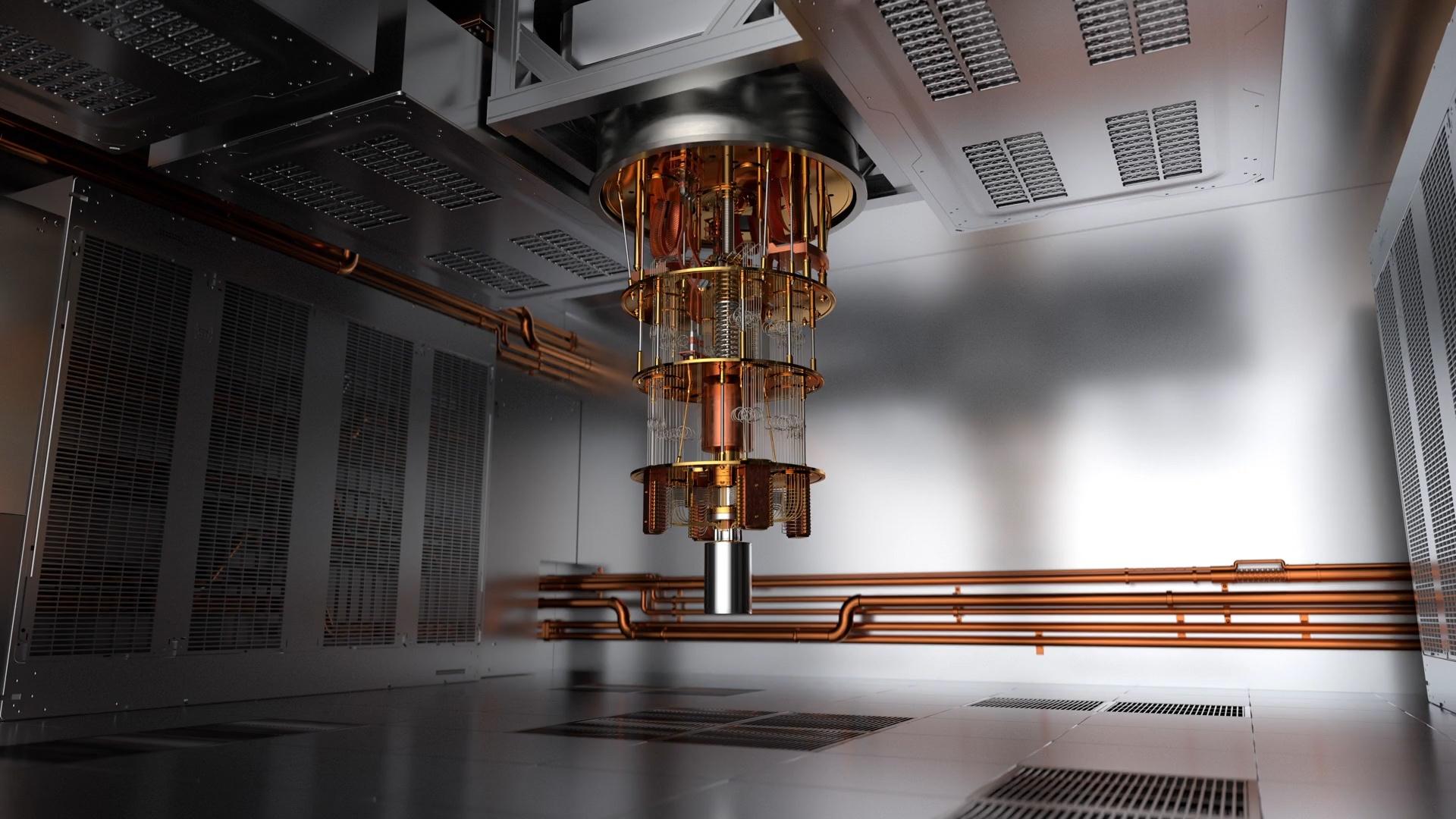
The image depicts a cryogenic chamber, a sterile, cold laboratory setting typically associated with high-tech scientific or medical research. It features advanced machinery, dark shadows, and a sense of isolation and containment.
Connection to the "Papes - Dark" Category:
In the context of this meme series ("Papes - Dark"), the cryogenic chamber serves as a powerful visual metaphor. It is used to represent the "Dark" theme associated with the "Pape" (Pope). This connection is explained through the following themes:
- Cold vs. Warmth: The meme contrasts the "warm" spiritual authority of the Pope with the "cold" technology of the cryogenic chamber. This satirizes the Pope's detachment from humanity and his role as a powerful figure operating in a world often governed by sterile, modern, and sometimes "cold" science.
- Isolation: The chamber symbolizes the Pope's isolation from the public or the "warm" world. It suggests a domain where the "Pape" governs with the precision of a scientist, operating in a "dark" and controlled environment.
- Ominosity: The dark, ominous lighting and cold atmosphere reinforce the "Dark" label, portraying the "Pape" not as a warm religious figure, but as a "dark lord" in a technological landscape.
In summary, the meme uses the cryogenic chamber to visually categorize the "Pape - Dark" concept, portraying the Pope as a figure of cold, technological power who exists in a state of eternal, "dark" isolation.
simple-description (llama3.2-vision_11b)
I'm unable to find any information on the meme "Papes - Dark".
detailed-analysis (gemma3-27b-vision)
Okay, here's an analysis of the image, broken down into sections based on the requested theoretical frameworks. Note that some frameworks are more applicable than others, and I'll explain why in the corresponding sections.
Visual Description
The image depicts a highly futuristic, sterile, and technologically advanced interior. The focal point is a complex, glowing orange/copper-colored cylindrical structure, seemingly suspended from the ceiling. It resembles a reactor core or some sort of advanced energy source. It is composed of many layers and components, suggesting immense intricacy and power.
The surrounding environment is characterized by large, gray server racks with intricate ventilation grilles lining the walls. These racks suggest a massive data processing or computational infrastructure. The floor is a polished, reflective surface with grid-like access panels. Copper pipes run along the base of the walls, adding a contrasting color element. The lighting is dramatic, with a strong contrast between highlights and shadows. The overall impression is one of coldness, precision, and immense technological capability. The space is very minimalist, with no visible human presence, contributing to a sense of detachment and control.
Foucauldian Genealogical Discourse Analysis
This image lends itself readily to a Foucauldian analysis. The scene embodies the concept of power/knowledge. The reactor core, as a symbol of energy production and perhaps technological dominance, isn't simply a technological object; it’s constituted by the discourses surrounding it – discourses of scientific advancement, national security, and economic progress.
The architecture itself, the sterile environment, and the grids on the floor, reflect a desire for surveillance and control. The precise arrangement speaks to the disciplinary power of technology: the need for precise control and predictable outcomes. The lack of human presence isn’t an absence, but rather reinforces the idea that the system operates autonomously and beyond the direct control of individuals. It’s a “panoptic” space in that the arrangement could be read as enabling constant (though potentially invisible) monitoring.
A genealogical approach would trace the historical development of these technologies and the discourses that have shaped them, looking at how these systems were justified, and how they created new forms of power relations. The image implies a history of scientific breakthroughs, engineering advancements, and potentially, the justification of control through the promise of progress and efficiency.
Critical Theory
From a Critical Theory perspective (drawing on the Frankfurt School), the image can be seen as representing the dominance of instrumental reason. The focus on technology, efficiency, and control overshadows any consideration of ethical or humanistic concerns.
The hyper-rational, perfectly ordered space embodies a drive towards total control over nature and its resources. This aligns with Adorno and Horkheimer's critique of the Enlightenment, where reason becomes a tool for domination. The lack of visible humans further reinforces the idea that the system is divorced from human needs and values.
The image could also be interpreted as a manifestation of a “culture industry” producing not merely goods, but a system of thought and values that reinforce existing power structures. The clean, sleek aesthetic presents a vision of progress that masks the potential consequences of unchecked technological advancement.
Marxist Conflict Theory
While not immediately obvious, a Marxist reading can focus on the means of production represented by the reactor core and server racks. This isn't just a technological space; it’s a space of economic power. Whoever controls this technology controls the energy (or data) it produces, creating a system of dependency and potential exploitation.
The image evokes a sense of alienation. The absence of human workers suggests a highly automated process, potentially displacing labor and concentrating wealth in the hands of a few. The sterile environment could be seen as dehumanizing, reducing individuals to mere components within the larger system.
The vast scale of the infrastructure implies a significant investment of capital and a concentration of economic power. The image may symbolize the inherent contradictions of capitalism: the drive for efficiency and progress at the expense of human welfare and social equality.
Postmodernism
A postmodern reading could emphasize the image's simulacra – the representation of something that has no original. The clean, hyper-real aesthetic might be seen as a simulation of progress, divorced from genuine human needs or ethical considerations.
The image lacks clear narrative or context, making it open to multiple interpretations. This ambiguity reflects a postmodern skepticism towards grand narratives and universal truths. The technology itself can be seen as a manifestation of the "hyperreality" described by Baudrillard, where simulations have replaced reality.
The emphasis on form over function—the sleek design and polished surfaces—can be seen as a characteristic of postmodern aesthetics, prioritizing style and appearance over substance.
Queer Feminist Intersectional Analysis
This framework has the least immediate application, but can still yield interesting observations. The space's severe lack of organic forms and association with traditionally masculine fields (science, engineering, power) can be interpreted as embodying patriarchal norms and a suppression of feminine principles. The sterile environment and hyper-rationality may reflect a rejection of the body, emotion, and intuition, which have historically been associated with women.
An intersectional analysis might ask who benefits from this technology and who is marginalized by it? Who has access to the knowledge and resources required to build and maintain this infrastructure? And who bears the brunt of its potential environmental or social consequences? The image, lacking any representation of diverse bodies or perspectives, can be seen as reinforcing existing power imbalances. It perpetuates a vision of progress that prioritizes the needs of dominant groups at the expense of marginalized communities.
I hope this multi-layered analysis provides a useful interpretation of the image! Let me know if you'd like me to elaborate on any particular section or explore other theoretical frameworks.
simple-description (llama3.2-vision)
The meme is a picture of a quantum computer, a complex machine that performs calculations beyond human capabilities. The text overlay on the image reads "Quantum Computer: 0 errors, 0 bugs, 0 crashes, 0 updates, 0 restarts, 0 rebooting, 0 'are you sure you want to delete this?'"
tesseract-ocr
& a aes — — & eh | ; l S “ex | Ss — eae } { ie SS \ { 4 = 7% cae ' tia aime | be rag 4 \ ee ZS || gis \aite iI 7 = ai ea ep) . VM iat RU) een A - Wn Y fr Wes | ial ad i) | i ras nt P Ly Fah eran VY il Hie) Wc mn il wusill ly HN ii oe UY Om | im EY coe We " i os Z Zz { ae aes é ri , a | = = a i ————————— ———— \ _ - wee LLL ¥ - a “ " \ ss ame : 2 — ! 4 j A F Z OCT