First Seen
2023-05-10T21:03:43+00:00
simple-description (qwen3.5_2b-q8_0)
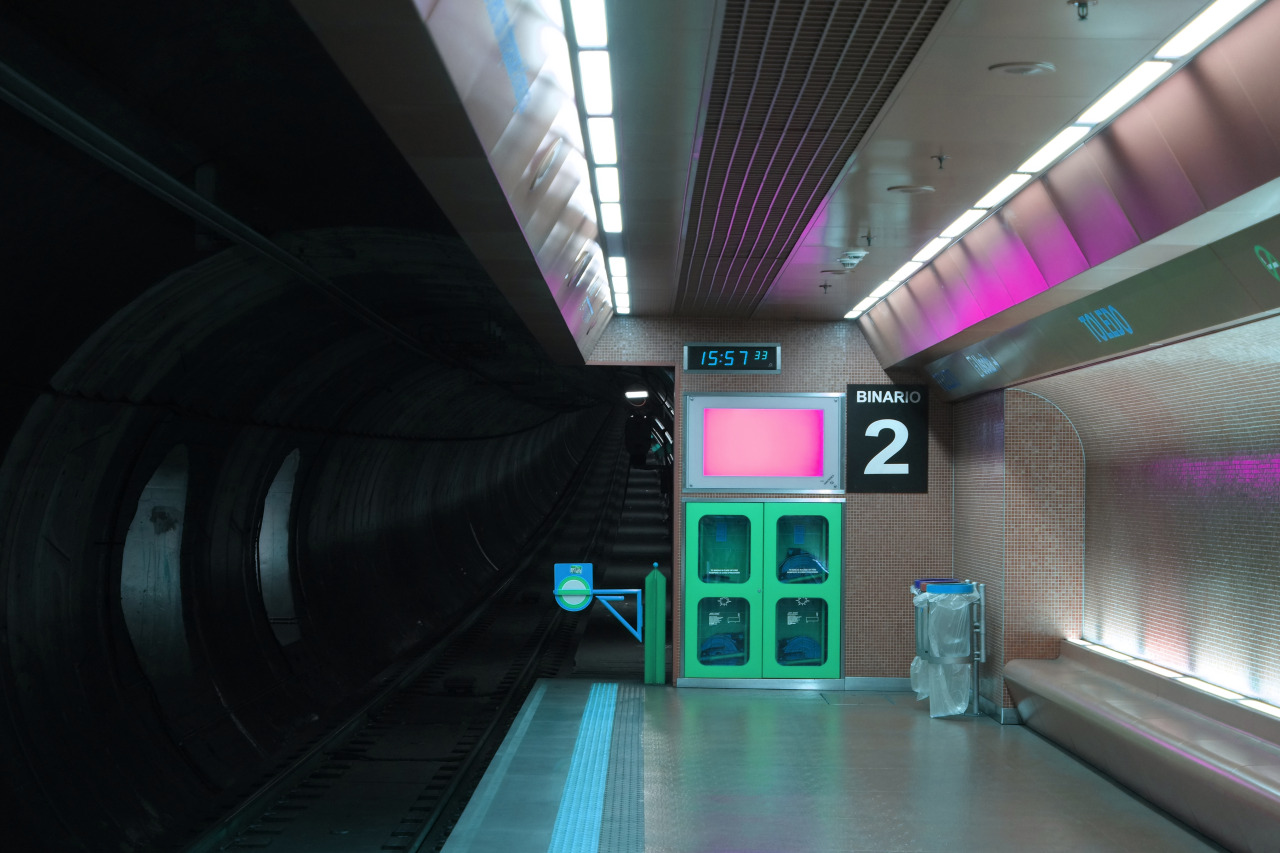
The user is asking for an explanation of the meme "Papes - Dark" based on the provided category and including the text from the image.
1. Understanding the "Papes" Meme and the "Dark" Category
The "Papes" meme is an internet trend that uses a filter (often described as a "dark" or distorted filter) to make faces—specifically, the face of the Pope known as the "Pape"—look eerie, scary, or unsettling. The term "Dark" in this context refers to the specific aesthetic of the meme: high contrast, deep shadows, and eerie lighting.
2. Analyzing the Image and the "Dark" Aesthetic
While this specific image does not show the face of the Pope (making it not the face meme itself), it perfectly captures the visual style and "Dark" aesthetic often associated with the "Papes" meme category.
* Dark Atmosphere: The scene features a dark, shadowy tunnel on the left, which is a classic trope in the "Papes" meme to evoke a sense of unease.
* Neon Lighting: The bright pink neon lights on the right provide the necessary high contrast that defines the "Dark" filter theme, making the scene feel eerie and moody.
3. Including the Text
The image contains text that includes:
* "BINARIO 2"
* "15:57 33"
* "VELEZ"
Final Summary
The image, while not the face of the Pope itself, fits the "Dark" category of the "Papes" meme perfectly. It uses the same eerie, high-contrast lighting (dark tunnel vs. neon lights) that characterizes the meme's "Dark" aesthetic.
simple-description (llama3.2-vision_11b)
I don't have the ability to view or describe images.
detailed-analysis (gemma3-27b-vision)
Okay, let's break down this image through the lens of several theoretical frameworks.
Visual Description
The image depicts an underground metro/subway station, likely in a contemporary European city (based on signage style and color palette). The station is characterized by a curved tunnel, creating a strong sense of depth. The color scheme is distinctly neon-infused, with vibrant pink and blue lighting contrasting against a textured, neutral gray background. The lighting seems to emanate from strips along the curved ceiling, highlighting the curvature and creating an almost surreal atmosphere.
We see a platform edge with tactile paving for visually impaired passengers, and a station bench. A digital time display (showing 15:57:33) is prominently featured. A control panel/housing with multiple buttons and a sign reading "BINARIO 2" (track 2) is also visible. The far end of the tunnel is shrouded in deep shadow, creating a dramatic contrast and emphasizing the length of the station. The overall aesthetic is clean and modern, but the neon lighting gives it a distinct edge – almost hinting at a futuristic or stylized setting.
Foucauldian Genealogical Discourse Analysis
This image can be read through a Foucauldian lens as a space of discipline and surveillance. The subway station is a meticulously organized system designed to regulate the flow of bodies. The platform markings, the tactile paving, the time display, and the control panel all serve to order and control passenger behavior.
The panoptic effect is subtly present. The station’s layout doesn’t allow for a clear view of all areas, but the potential for surveillance is implied—by cameras (not visible but likely present) and the sheer regimentation of the space. Passengers are implicitly monitored as they adhere to the system’s rules of movement and timing.
The "BINARIO 2" signage doesn’t just indicate a track; it represents a discursive formation – a way of categorizing and organizing space that reinforces the idea of ordered movement and control. The very architecture of the station performs the disciplinary function, making certain behaviors (staying behind the platform edge, obeying the time schedule) preferred and others (crossing the tracks, loitering) discouraged. The genealogy could trace how this specific organization of subway systems evolved over time, connecting it to broader historical shifts in urban planning, crowd control, and the exercise of power.
Postmodernism
The image lends itself to a postmodern interpretation through its aesthetic play with light and color. The neon lighting disrupts the expected functionality of a subway station, introducing a visual “noise” that challenges the idea of a purely utilitarian space. It’s a kind of hyperreality—a simulation of a subway station that is heightened and exaggerated beyond its practical purpose.
The image also suggests a fragmentation of experience. The strong contrast between light and shadow, and the vanishing point of the tunnel, create a sense of disorientation. The focus isn't necessarily on going somewhere but on the experience of being in this space. This aligns with postmodern notions of simulacra, where the signifier (the neon-lit station) becomes detached from a 'real' referent.
Furthermore, the image plays with the idea of pastiche and irony. It borrows the functional aesthetic of a subway station, but imbues it with a distinctly artificial, almost theatrical quality. This deconstruction of the mundane aligns with the postmodern tendency to challenge established norms and conventions.
Queer Feminist Intersectional Analysis
This is harder to read directly from the image itself, as there are no visible people. However, we can consider how the space implicitly regulates bodies and how that regulation may disproportionately affect marginalized groups.
Subway systems historically, and in their design, have often been implicitly gendered and designed with the assumption of a "standard" body. Consider how limited space, crowded conditions, or lack of adequate safety features (like well-lit waiting areas or visible security) can create heightened vulnerability for women, trans and non-binary individuals, and people with disabilities.
The controlled environment of the station – the lines, the rules, the constant monitoring – can be seen as reinforcing norms of order and conformity. This can be particularly oppressive for individuals who identify outside of those norms.
The bright, almost clinical lighting could be read as a form of hypervisibility – potentially making individuals who already experience scrutiny (based on gender, race, or other identity markers) feel even more exposed and surveilled.
A truly intersectional analysis would also consider how class and race intersect with these spatial dynamics, creating differential experiences of safety and access within the subway system.
Let me know if you'd like me to elaborate on any of these points, or if you'd like me to explore other theoretical lenses.
simple-description (llama3.2-vision)
The meme is a picture of a dark and empty train station platform, with a single fluorescent light flickering overhead. The text "15:57" is displayed on a screen above the platform, indicating that a train is delayed. The image is captioned "when you finally get to the platform and it's just you waiting for a train that's never coming".
tesseract-ocr
= “g | aS r / I | = 7 ; 7, |] 7 , ] ’ i Y - = % S Fi ‘ ¥ i == = ~—s | | 4 C2 4 ae i — X 7 ~~