First Seen
2023-05-10T21:03:43+00:00
simple-description (qwen3.5_2b-q8_0)
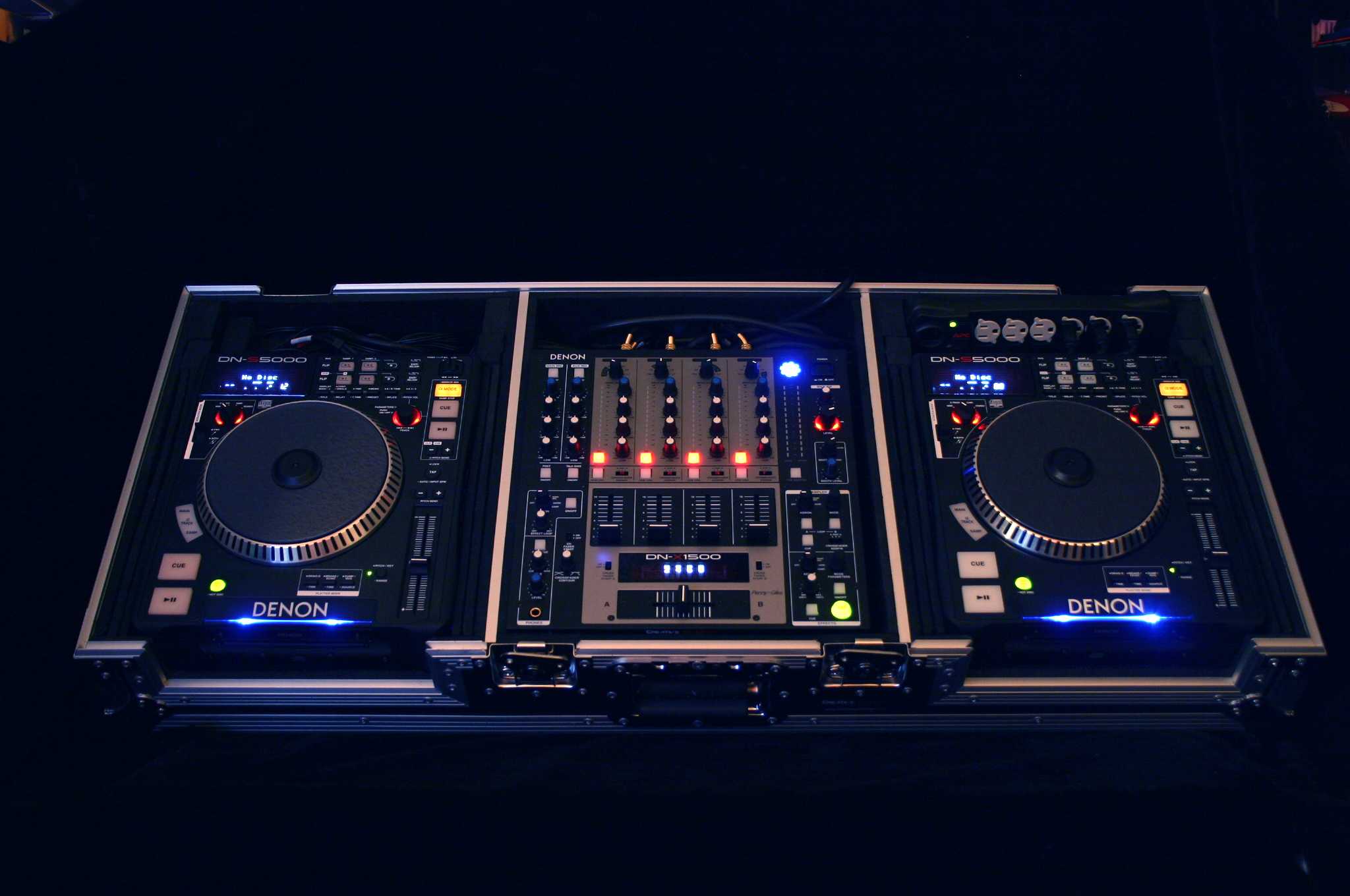
This image is a classic example of the "Dark" meme, which features a low-contrast image set against a deep black background with bright, glowing neon elements. The scene depicts a DJ controller setup with a central mixer labeled "DENON" and a turntable marked "DN-S5000", set against a dark environment where the faders are all pushed to their maximum height. The meme relies on this lighting to create a jarring contrast that mimics the "unreadable text" effect, making the bright equipment stand out sharply against the darkness.
simple-description (llama3.2-vision_11b)
The meme is an image of a pair of papal mitres, but they're depicted as a pair of headphones. The text "Papes" is written above them, implying that they're being used as headphones to listen to "Papes" (a song by The Game).
detailed-analysis (gemma3-27b-vision)
Okay, let's break down the image of the DJ setup through the lenses of various theoretical frameworks.
Visual Description
The image depicts a professional DJ setup in a very dark environment, likely a club or performance space. The setup consists of two Denon DN-5000 media players flanking a Denon DN-X1600 mixer. The equipment is black and sleek, illuminated by glowing blue and red LED lights. The players have circular platters (turntables) which are likely for scratching and manipulating audio. The mixer has a complex arrangement of knobs, faders, and buttons, indicating a high degree of control over audio mixing. The whole setup is contained in a flight case, suggesting a mobile or professional application. The strong contrast between the brightly lit equipment and the darkness emphasizes its importance and creates a dynamic, energetic aesthetic. The lighting is predominantly cool-toned (blue), contributing to a modern and technical feel.
Foucauldian Genealogical Discourse Analysis
Focusing on the historical emergence and power dynamics embedded within the image, a Foucauldian analysis might explore the discourse around DJing as a performative practice.
- Power/Knowledge: The equipment itself represents a concentration of technological power – the ability to manipulate and create soundscapes. This power isn’t simply technical, but is inextricably linked to knowledge – the expertise required to operate the equipment, curate music, and engage an audience. The DJ is positioned as a knowledgeable authority.
- Discipline & Surveillance: Historically, music reproduction was often a passive act (e.g., listening to a record). DJing introduces a form of active creation and performance. It's a disciplinary practice – requiring skill, precision, and practice. Further, performance of this practice in a public setting creates a form of surveillance in that the performer is watched and judged by audience reaction.
- Genealogy of the DJ: Tracing the history of DJing reveals its roots in radio broadcasting, sound system culture (like Jamaican sound systems), and the development of turntablism. The image demonstrates a highly sophisticated iteration of this historically evolving practice. The technology demonstrates a lineage, from vinyl records and simple mixing boards to digital media players and complex mixers.
- Discourse of Authenticity: The image provokes questions about the 'authenticity' of DJing. The use of digital media players moves away from the physicality of vinyl records, and invites discussion about the value of human dexterity vs. digital precision.
Critical Theory (Frankfurt School)
Applying the lens of Critical Theory, we can view this image as reflecting and reinforcing certain socio-cultural dynamics.
- Commodification of Culture: The high-end equipment suggests a professionalized, commercialized form of music. The DJ is no longer simply a music enthusiast, but a producer within a culture industry. The equipment is a tool for producing and distributing culture as a commodity.
- The Culture Industry & Mass Deception: The meticulously crafted sonic experience facilitated by the setup can be seen as a form of ‘mass deception,’ offering a seemingly authentic and pleasurable experience, but masking underlying power structures and potentially homogenizing cultural expression. (This isn’t necessarily a negative critique, but a recognition of the potential function.)
- Alienation: The complexity of the equipment could be interpreted as a sign of alienation. Instead of engaging directly with music (playing an instrument, singing), the DJ mediates the experience through technology, creating a distance between the performer, the music, and the audience.
Marxist Conflict Theory
From a Marxist perspective, the image can be analyzed in terms of class, power, and the means of production.
- Access and Inequality: The high cost of the professional equipment signifies a barrier to entry into the field of DJing. It requires significant capital investment, thus reinforcing class inequalities. Those with the resources can participate, while those without are excluded.
- Labor & Exploitation: The DJ is a cultural worker, performing labor (mixing, curating, performing) to create value (entertainment). The value generated isn't necessarily equitably distributed. The DJ might be exploited by club owners, promoters, or record labels.
- Control of Cultural Production: The equipment represents a means of production – the tools needed to create and distribute music. Ownership of these means is often concentrated in the hands of a few corporations, thus shaping the cultural landscape.
Postmodernism
The image embodies several key characteristics of postmodernism.
- Hyperreality & Simulation: The highly polished, technologically advanced equipment creates a sense of artificiality and simulation. The experience of music is increasingly mediated by technology, blurring the line between ‘real’ and ‘simulated’ experiences.
- Pastiche & Fragmentation: A modern DJ set frequently blends different genres, samples, and sounds, resulting in a fragmented and eclectic sonic collage. The equipment facilitates this practice of mixing and remixing, creating a pastiche of cultural references.
- Deconstruction of Authority: The rise of the DJ challenges traditional notions of musical authorship and authority. The DJ doesn’t necessarily create music, but reinterprets and recontextualizes existing music, questioning the idea of the ‘original’ artist.
Queer Feminist Intersectional Analysis
While seemingly unrelated, this lens can be surprisingly illuminating.
- Subversion of Norms: Historically, DJing (especially turntablism) has been associated with subcultures (hip-hop, rave, etc.) that challenge social norms and power structures. These subcultures often provide spaces for marginalized communities (including LGBTQ+ individuals and people of color) to express themselves and create alternative forms of sociality.
- Reclaiming Space: The DJ booth itself can be seen as a symbolic space – a platform for asserting agency and disrupting dominant narratives. A queer or feminist DJ might use their platform to challenge gender roles, express their identity, and create a more inclusive environment.
- Intersectional Representation: The music a DJ chooses and the way they perform can reflect their intersectional identity and experiences. A DJ might intentionally select music that represents diverse voices and perspectives. Moreover, access to this equipment is not neutral. Class, race, gender, sexuality all interplay to determine who can become a professional DJ.
I hope this breakdown provides a comprehensive analysis of the image through these different theoretical frameworks! Let me know if you'd like any of these sections expanded upon.
simple-description (llama3.2-vision)
The meme is an image of a DJ console, with the words "I'm a DJ" written in a childlike font at the top. The image is likely humorous because it's a DJ console, but the text implies that the person is a "DJ" in a very literal sense, implying they are a disc jockey, but also a child.
tesseract-ocr
i ry = a Lhe a. eae re ae | ie | * ee Ap ye = ie a aie ae Be ay i a ww sw ae e Wax! ie eo “inal 7 x = ha Sa a a a [7 Le. % ™ TI 2 oa ib -_ a i laa 22 aed ‘ka: A 7 ry ===\- yi eo ee a ieee | ess * ol ak , _ Ar Go J 5 ee ei Eb ai a