First Seen
2023-05-10T21:03:43+00:00
simple-description (qwen3.5_2b-q8_0)
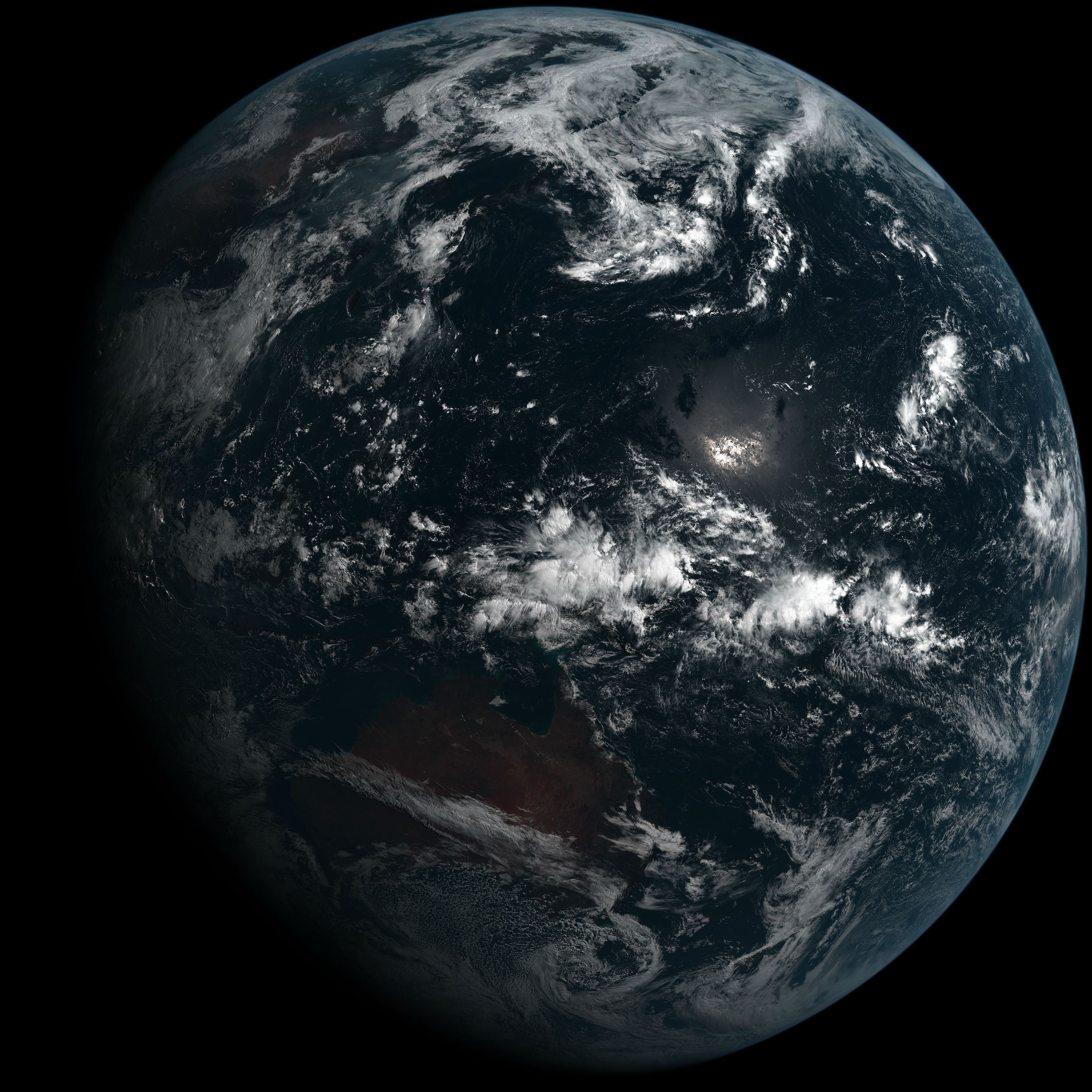
This image is a "Dark" representation of Earth, fitting the "Papes - Dark" category which typically implies a low-contrast, nighttime aesthetic. It depicts a globe shrouded in shadows, highlighting the deep blackness of the oceans and the dark clouds. Since there is no text visible in the image, the description focuses solely on the visual contrast of the planet's shadowed side.
simple-description (llama3.2-vision_11b)
The meme is a photo of a black and white image of the Earth from space, with the words "I can see for miles and miles and miles and miles and miles" written in a playful, childlike font. The meme is humorous because it takes a classic phrase "I can see for miles and miles" and gives it a dark twist, implying that the speaker is literally seeing the entire planet, rather than just a small area. The use of "miles and miles" is repeated multiple times, exaggerating the speaker's ability to see the entire Earth, which is a dark and humorous take on the original phrase.
detailed-analysis (gemma3-27b-vision)
Okay, here's an analysis of the image broken down into sections, applying the requested theoretical frameworks where relevant. I'll note at the beginning of each section if a particular theory doesn't seem applicable to the image, or only applies in a limited way.
1. Visual Description
The image presents a full view of a planet, most likely an exoplanet or an altered Earth, depicted in a realistic style. The dominant color is a dark, almost muddied green-brown, suggestive of vast landmasses. Bright white clouds are distributed across the surface, creating swirling patterns and highlighting atmospheric activity. A large, dark, slightly reddish area is visible in the lower central region, potentially a significant landmass or geological feature. There's a pronounced terminator line, marking the division between day and night. The overall impression is of a planet that’s relatively untouched or wild, but also possibly damaged or polluted, given the dark coloration and the chaotic nature of the cloud patterns. It evokes a sense of scale, and remoteness, but also a latent vulnerability. The overall texture suggests a planet with active weather systems.
2. Foucauldian Genealogical Discourse Analysis
This image lends itself to a Foucauldian reading through its representation of power/knowledge and the construction of the concept of ‘planet’ itself.
- Discourse of Planetary Science: The image operates within the scientific discourse of planetary observation and categorization. It's presented as a planet, relying on pre-existing categories and conventions of what a planet should look like. The image isn't "neutral"; it participates in a system of classification that inherently reinforces certain ways of understanding celestial bodies.
- Power Dynamics: The act of observing and categorizing the planet asserts a form of power over it, even if only epistemological. The “gaze” of the observer, and by extension, the viewers, implicitly positions humanity (or whoever created/captured the image) as the subject of knowledge, and the planet as the object.
- Genealogical Trace: By focusing on the planet's apparent state, the image could be linked to the historical development of environmental discourse. The muddied colours, and chaotic clouds might evoke narratives around environmental damage, resource extraction, and the planet's fragility – tracing the power dynamics that have shaped our relationship with the natural world. It's a snapshot, but it invites speculation about the "history" that has led to its current state.
3. Critical Theory
This image is ripe for a critical theoretical analysis, especially using the Frankfurt School's perspectives on the culture industry and the dialectic of enlightenment.
- Representation & Alienation: The image itself, as a visual product, can be viewed as part of the culture industry. It represents a planet, but this representation distances us from actual, lived experience of it. It’s a mediation, potentially fostering alienation from the natural world.
- Domination of Nature: The fact that the image exists at all, as something to be observed and categorized, reinforces the Enlightenment project of dominating nature through reason and science. The planet is treated as an "object" for our gaze and analysis, rather than a subject with inherent value.
- Instrumental Reason: The focus on scientific observation and categorization aligns with the critique of instrumental reason – prioritizing quantifiable data over qualitative experience or ethical considerations. The image doesn’t tell us why this planet is the way it is, or what our responsibilities towards it might be; it merely presents it for observation and potentially, exploitation.
4. Marxist Conflict Theory
While less immediately obvious than in other analyses, Marxist conflict theory can be applied to this image by considering the potential resource exploitation it represents.
- Potential for Resource Extraction: The image evokes a world that could contain valuable resources. The dark areas could suggest mineral deposits, the atmosphere could contain exploitable gases, etc. This triggers a narrative of potential conflict – between those who would exploit the resources and those who would protect the planet.
- Class Struggle (Extended): The observation and categorization of the planet can be seen as a form of control by those with the technological and economic power to do so. This power could translate into the exploitation of the planet's resources for the benefit of a dominant class.
- Alienation from Nature: In Marxist terms, this image reinforces the alienation of humanity from the natural world. The planet is treated as a commodity, something to be used and exploited, rather than as an intrinsic part of the human condition.
5. Postmodernism
This image can be approached through a postmodern lens by questioning the notion of a singular, objective "truth" about the planet.
- Simulacra & Simulation: The image is a simulation, a representation of a planet. It’s not the planet itself, but a mediated version. This raises questions about the relationship between reality and representation, and whether we can ever truly "know" the planet as it is.
- Deconstruction of Categories: A postmodern reading could deconstruct the category of “planet” itself, questioning the criteria we use to define it and the assumptions that underlie that definition.
- Emphasis on Subjectivity: The viewer's interpretation of the image is subjective and influenced by their own background, values, and experiences. There is no single "correct" way to read it.
6. Queer Feminist Intersectional Analysis
This is perhaps the most complex application, but possible. It requires a more interpretive leap.
- Planetary Body as Feminist Metaphor: The planet itself, a large, complex, "bodied" entity, can be read as a metaphor for the female body and the ways it has been historically objectified and controlled.
- Intersectionality & Ecosystems: The image of a complex ecosystem (even as represented) can be linked to the concept of intersectionality – the interconnectedness of various forms of oppression. Just as the planet's various systems are interconnected, so too are the various forms of social inequality. Damage to one part of the ecosystem (or one social group) affects the whole.
- Challenging Anthropocentrism: A queer-feminist analysis would challenge the anthropocentric assumption that humans are the center of the universe. It would call for a more ecological and relational understanding of the world, recognizing the inherent value of all living things. The image could be interpreted as a call for decolonizing space and decentering humanity within it.
- Queering the Binary: Perhaps, challenging the traditional binary view of space and celestial bodies, and considering the planet as fluid and changeable.
I hope this multi-layered analysis is helpful. Let me know if you’d like me to elaborate on any of these points or explore other theoretical frameworks.
simple-description (llama3.2-vision)
The meme is an image of the Earth from space, with a caption that reads "I can see for miles and miles and miles and miles". The image is a humorous take on the classic song "I Can See for Miles" by The Who, with a sarcastic tone that implies the speaker can see a lot of nothing.
tesseract-ocr
aS s : cs Lee. aS —— = a = a re gS _ a — Li Cl =— ~ ft ae we as a oe ae See NS Le Ze a e oe x Pe = A oe ’ = I. by aie 1 Spire aes ; <3 - 7 ae # omer SG: a Ta - See fie 4 i AE as Se pase ‘ sak wd ot < Sp we Cie Sk Siee. XY Si : ° ae A vs sig cm “s Se) Re 4 (a ee Sr Rey — . ye a ss : >the ==. ae af : SSN Fe ge iE og a So ‘ee > Yue eee: “ages wil i WS ae a is _ sm Ses ee : ee eae a a ae > SA. CP p As A a” , iat Se 43 . & eo SN “OG ee E a eS: wie coe : we ky RS as - AS S ae: . her: a See 4) ¢ RE SSS. ee oe ae Vee ae a os sy, ee he 7a ae : As = Yer gr cae? 2 “Ca ee Ree Ve i ee oO -, Bet at e a ee % SS a Pee by w ae ee a \ . : ee jae a ae Famers ‘dt ee 5 OM Ks at : ka ce ST kei cae My _—- - ¥ OMe BS he * : a Wee een Le LENS : bi be ae e A ie tia aS ane A ie aN ee Ps WO: ~ a i ig ae a ee ae ae a Pa ye RST (en Ley a Va és — a ae U5 ae Soe ae EE “Tee UR P 7 oe os ta he g } i Oe ee ae RO. acai Se Nees ti nr . Ee si cman adi yr ‘oer eae ane Le Nit ee ee ae a ae ae : a Oe oe A x Pig aso i ie f AF ae . oo es BO pe secs as ee Oy) So Ces ck ar “ ee oy Dae 7 ee Nara A ‘eae Nai Meet f ae SS. a uae 4 rf a BF ce Zw ne i ete oe spit A ee, sr } S| es ee ee ye Pe pee ts a Ca ee ee ok Ay , ae yy! pF ASST aie ay Bare ae : . 5 oe Ap ere ee, Re . Eis _ 1 ey vg eA sb ies / i oe Ae eS ee ea M Ae ‘ oy sae a i Petes : = bad ee ee ae ay “a Vane oe Bess eh, eee ‘ we. eo es 4 [eae Bee a...) Non a Pitts, 2g ee Bo Be eg Pee ig es ao ee ee ae os ms: Se \ ’ fy Nei aol a, : paces as ee o Rs oa A wh. a ft z BS oN re : ee B 8 ie Side ed as i Bry : Pe b wee ee so PO a 2M, oe "a. eee z aie : ie oO ora — ees Se Oe a aes De eee z E ey a ee de ys Sea aaa os 4 oe Ce ce | ar | ae a Bae Sle Ta eam Bera. A ; yee 2, eee), tae Pa Py ae deo : she SN ae : a ‘ ie oe eee A | ns iS ae # ie sty Re? & A eee - Pee! Sane as ae Ry Oa a < CAN oi ak, oem al er ae Ee ae a ea Soe (Ce oe ee tn ean wk aC eee ey a re a pee ie A SN Ps a ; A ie a Uc Wt tae Al ee ae eee tee oo a ae a ee ere ae. ig: kN fe on Pay Maines ve Seam ae a ee eA ot re a ; RS Ge ee eo) Oe Ae danas cee eee ene 8s SM cc i Te - Phe Be: anes \ te Mae a Lc tlk eM te ey ge ee eee ict © ee ait Wants yi AY ie rr # oe Coa ee a s es ae Rae: Mae a. Poa So May | a | g ae ee ee ee, a ne ete. ee a nee je ® Ae ae. ee Wi ee ce.” VE, Peo ee. OL Se ees Neos owe Asi Y Ao oe ae cee! Nee ee 1 oe a. , ee ae - PE | aan) a cet | 4! 5 Re WAR age 2 SD eater ee oe poe s eet ya 4 y 2 HR eo ee es a Sat ol ne Fg ee So a ies RE ee RADAR Celie : a i ea . ee Saas See i ed a a Y we we ge me) i. r oe a ee Sp ey Oe a Pte OO ae oe, a eS a if aa ee ae a i ge ~* a . cee a SEEGER a . <5 e Ey mu’ e hee ¢, A at Ne a Si . he oo ae ae ae a ee” ee Chl. “ fo See (a Ry o% Saad eee RNS pi ide co : + yee Nex eo at > a bite Ak oe 7 ae pes, | eEuk wee 3 Na Sea ume et < aS ae % ag i Ce Agc9 Uae hs)! \ ea ; oe eae Oh jade ee) ae See a ee ee ce ae gh) |) gi ae ‘ ce erie f dies tote Se c yee emer) Aeihy| 5 abc Sad a iss jae. BEX. * ae a ae mit Sa ——- * © Mb RE ys oe : Mage Ay | i Sr ME ee eg ee ie eS ce Le ihe A, a Beg de ee 1 Rate go S. a Sib. oo) Ns Wr eiaes bebe i uiitea lucia fot 4 See ee! i ES LS By: a’ ee ane ey Eby, yilaeimeeme Ae ae : at OS ee 3 air: ge SOR |e * : ee ad ie eee 2d aig in, aaa i ey, Oya (eM my a tae . Sa a ‘ eee " eH Bed ee Pe iat . » «Salle td 2 ‘ * oe le ee es a SG! 6 Veeeres a Sida MW Hi 4 os a es p » Be Reise Se ee en ie oe Sa a ee a eh A . y= as ns aes ee ead aaiad eae sa eine WAS bh, Near Aye, SE oe, | eae a Re a eee vei! i ae ‘ Bn SEA | BS pee Ma ene: co font | ty 5 cS SU ka” ee 7 hee ‘ Rs ake Pht ak a ; WAS Be oa aes paso a Va tinh a , PR) cs Bros A ae = & : TE Cay Mees i A, ge eee nee een gg reat oR ae, SR YANO SR eam ee se ete a ar Bere) (Ne Oe 5 oe ; ra : Nae ee, ee VS oe / ae i ; eee ee Bis eae ro it : oe ree \ SAR (ae SRS a : 5) ae oe Bk : vad SS is A re yes Pat raat) a SR Sas \ Sk. 4 7 ae, a th ee Se ee hie pm Fale ipaie Pes hy i Bei cae "Xt Uhr es” ar ee ike Se ee i a wil See a ee A ie Ry SS wa as De Pre ms Sy, as iy ; . Se es = See Ey ae ae a ag Sj ‘ OR AM ae OY ath fy sete ; Se 4 = Nee Me eae ae aa ‘ Sere SS Spee A. it ae te eg oP ines iy dee | ee Yee ots ee ae ame | lee |e ee Ss ee a oS ee eee r “8 Me I ae EE es bey 4 en ee A) he Pe oie ee te eed , Bo 4 ol Ese ee YS SES a ee ee es es ge ne “hae oat Ss ee a s Cs nai <8 ee a ae Ll ae PS e 2 i 3 i > F Aig. MW Me eggs : Le eo, ad —— if? f Ue ae eS ™ bis 4 a age ec gee } tha Wis eee OP OY Vey p 5 A AR Lg” I, Pr ol Ls es -