First Seen
2015-12-18T09:30:09+00:00
simple-description (llama3.2-vision_11b)
The meme is a map of the world, specifically a 17th-century map of the world, to be exact. The image appears to be a hand-drawn map with various illustrations and annotations, likely from the 17th century. The text "Papes - Old Maps Of The World" is likely the category title, and the meme itself is a humorous or satirical take on the idea of a map of the world being used as a "pope" or a leader.
detailed-analysis (gemma3-27b-vision)
Okay, here's a breakdown of the 17th-century map of Japan, "Imperium Japonum in Sexaginta Octo Provincias Divisum" by Caspar Scheuchzer, explored through the requested theoretical lenses. I'll only include sections where the map genuinely lends itself to that analysis. Keep in mind these analyses are interpretations based on a single image and require further research for full validation.
1. Visual Description
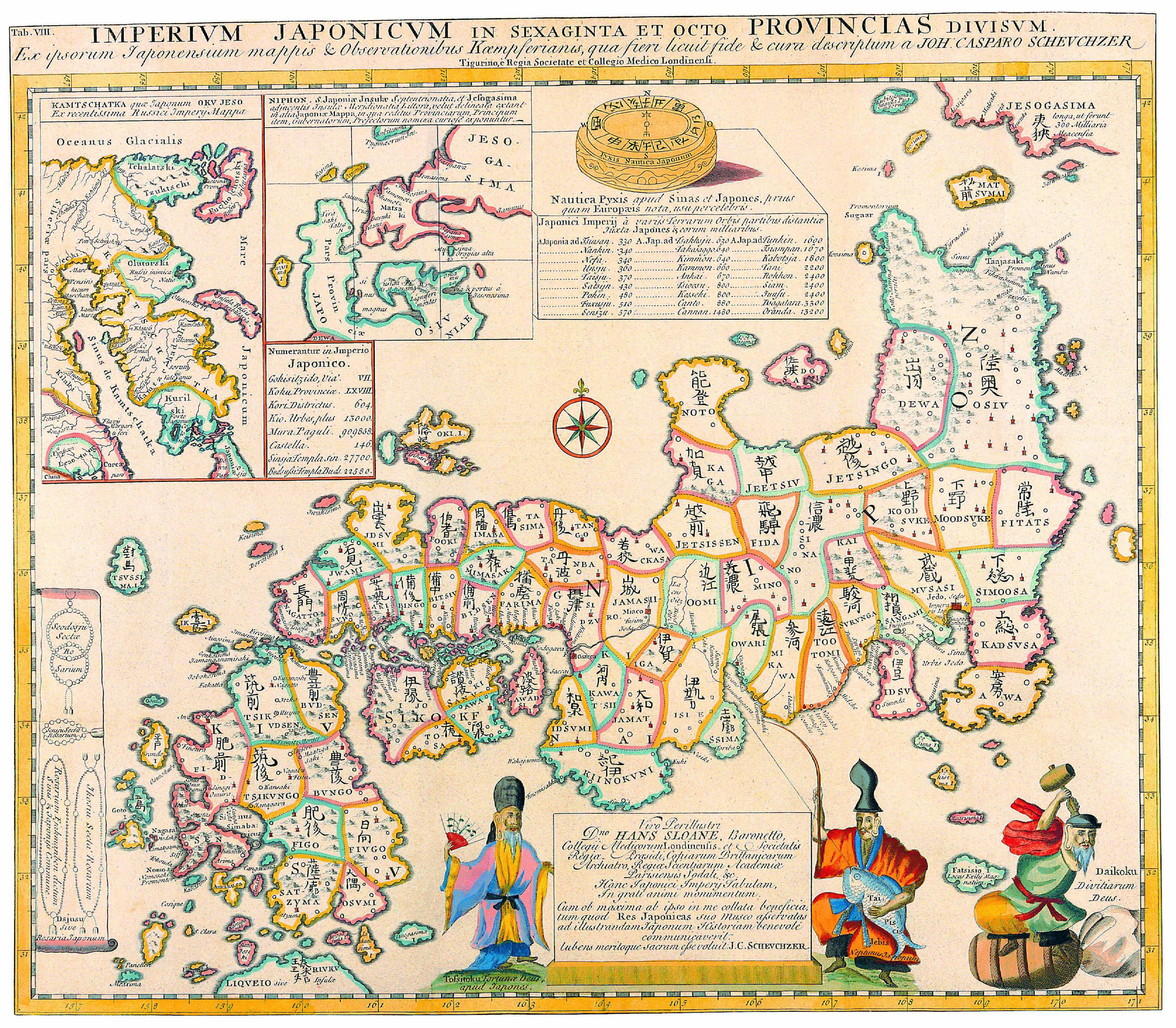
The map is a richly colored, detailed depiction of Japan, created in the 17th century. It's a bird's-eye view, displaying islands, mountains, rivers, and settlements in a highly stylized and decorative manner.
- Color Palette: Dominant colors include various shades of green (for landmasses), blue (for water/oceans), and red/orange for settlements and other key features. There's significant use of decorative patterns.
- Cartographic Style: It’s not a precise, geodetic map. It emphasizes visual representation over accurate proportions. Mountains are depicted as stylized, almost conical shapes. Cities are represented by intricately designed, colorful buildings. The coastline is highly detailed but not necessarily geographically correct.
- Symbolism: The map is filled with symbolic elements, including small drawings of people, animals, and buildings intended to give information about the territories they’re located in. There are compass roses and cartouches with text.
- Text & Typography: Extensive text labels identify provinces, cities, and other geographical features. The typography is elaborate and reflects the artistic conventions of the period. The text is in Latin and perhaps some other European languages.
- Overall Impression: The map is a work of art as much as a geographical document. It's designed to impress, inform, and to communicate a specific European worldview of Japan. It’s less about exact measurement and more about presenting a curated vision of the country.
2. Foucauldian Genealogical Discourse Analysis
This map provides excellent material for a Foucauldian analysis, focusing on how "truth" about Japan is constructed through discourse and power relations.
- Episteme: The map reveals the 17th-century episteme—the underlying system of thought and knowledge—that shaped European perceptions of the world. It's a world that is inherently ordered, categorized, and controlled by European systems of representation. Japan is made intelligible through this European lens.
- Power/Knowledge: The map is a tool of power. Creating a map is not simply recording what is there; it's actively creating a territory that is understandable and therefore controllable. The act of naming, categorizing (the 68 provinces), and visually representing Japan is an assertion of European power. Knowledge is not neutral; it is always produced within and reinforces power structures.
- Discursive Formation: The map participates in a larger "discursive formation" surrounding Japan. This formation includes travel narratives, diplomatic reports, missionary accounts, and commercial interests. The map isn't a standalone document; it draws from and contributes to this broader discourse, solidifying certain understandings of Japan while suppressing others.
- Archaeology of Knowledge: By analyzing the map's symbols, labels, and visual conventions, we can “archeologically” trace how European understandings of Japan evolved over time. We can see what details were considered important, what aspects were omitted, and how these choices reflected the changing political, economic, and cultural interests of Europe.
- Genealogy: A genealogical approach would explore how the map's conventions and categories originated, how they were modified over time, and how they became normalized as “objective” representations of Japan. It would focus on the contingent and historically specific nature of these categories, rather than treating them as natural or universal.
3. Marxist Conflict Theory
The map can be examined through a Marxist lens by focusing on the underlying economic and class relations that shaped its creation and content.
- Imperialism & Colonial Gaze: The map is a product of the early stages of European exploration and expansion. While not explicitly colonial, it's part of a larger context of European imperialism. The map is created from a position of power and reflects a desire to understand and potentially control Japan’s resources, trade routes, and strategic locations. It’s a "colonial gaze" – a way of seeing Japan through the lens of European interests.
- Mode of Production: The map's creation required resources (paper, ink, skilled cartographers) and labor. The cost of producing the map and its subsequent dissemination speaks to the economic power of those who commissioned it – likely a European court, merchant company, or scholarly institution.
- Class Relations: The map doesn’t depict the lives of ordinary people in Japan. It focuses on administrative centers, trade routes, and military fortifications. This reflects the interests of the European elite who were interested in establishing economic and political relationships with the ruling classes in Japan.
- Economic Value: The map itself is a commodity with economic value. It was sold to merchants, diplomats, and scholars, generating profit for its producers. This reinforces the capitalist logic of turning knowledge into a marketable product.
- Representation of Resources: The map might highlight features of Japan that were of economic interest to Europeans, such as potential sources of silver, gold, spices, or other valuable commodities. This selective representation reflects the material interests of those who commissioned the map.
4. Postmodernism
A postmodern reading of the map highlights its constructed nature and the impossibility of objective representation.
- Simulacra and Simulation: The map is not a "true" representation of Japan; it's a simulacrum – a copy without an original. It’s a simulation of Japan created through European eyes, filtered through cultural biases, and based on limited information. The map is more about the idea of Japan than about Japan itself.
- Deconstruction of Authority: The map's elaborate style and detailed labels create an illusion of authority. However, a postmodern analysis would question this authority, pointing out that the map is based on subjective interpretations and incomplete knowledge.
- Fragmentation & Hybridity: The map combines different styles, symbols, and textual elements. This creates a sense of fragmentation and hybridity, reflecting the complex and multifaceted nature of cultural exchange between Europe and Japan.
- Rejection of Grand Narratives: The map participates in the grand narrative of European exploration and domination. However, a postmodern analysis would challenge this narrative, highlighting the diversity of perspectives and the limitations of Eurocentric viewpoints.
- Intertextuality: The map is not a standalone document; it’s part of a larger network of texts, images, and discourses. A postmodern analysis would explore how the map draws from and interacts with these other sources, creating a complex web of meaning.
Let me know if you’d like me to expand on any of these analyses or explore other theoretical lenses.
simple-description (llama3.2-vision)
This meme is an image of a map of the world, but with all the countries and boundaries removed, leaving only a blank, white space. The text "I can see for miles and miles and miles and miles" appears in a bold, playful font at the top of the image. The image is likely a humorous commentary on the idea that someone can see for a long distance, but the actual distance is not specified.
tesseract-ocr
ane = $ ; —-—— a Vit JAPONICVM IN SEXAGINTA BT ocTO, PROVINCIA Vv - IMPERIVM APONICVM In SExAGINTA ET ocTO, PROV] DIVISVM. / y - nes » By Y fay 5 Pie : a y a Sry. aN 7 Liv psorwm Taponensume maps & Olservationibus Kanpferiaus qua fire licud fide be cura descryplum a JOH CASPARO SCHEVCHZE:R_ : = ; Tigurinio,¢ Regia Societate et Collegio Medico Londinenfi. i pase. meee ee pe tr — hd re fet et ex — los et — ee — et et ee fe er eS et — fe Se ee 7) | a eae a TON Ont a : < = y ; a | #8 KAMTSCHATKA gu@ Japgniun OKV JESO NIPUON . SJayonio Insuke Suptentrionatia, f elo: asima al 1 hatghagnane > ¥ H | gah | zee recendesrima Resirce Jmpery Mapp edie ratte ecules ali ated delat an ESE. fia DS F stBSOGASIMA (FI NL. ta nian CCU HOMME CUTIE Bante m 1 a wer ve ; wes ferunt | & a fe NC é y= }0 Lek Se longa,ut ferunt || YB | x a a jotted 7 Mee Mi Le CREO RS 7 300 Milkaria E [| Oceanus Glacialis A \\<“es Sy, 3 B confi || | os ( KAS SS TERRE ff pie Fu ee | |e Eten PgR Seb AP a Qo ea a Ey as = | ae te PASE aun SRE AE ge ac NEF Ef Hosinee e f : Han LN 7 Aa PE gp | —__“" © hi SASL £ og, Se I 5 G > ces Nthiy, MP, Hom oe 9 ae : i La) sae wie MESS a ibe Gee a Nautica Pyxis qed Sinas ef Japones, res A MAL f E [| all D Sy Zp pina ae a [| ee Ni Ware PUVOPRS MOC, UML PCV CLE Tromontor ta = : r $ Ph Pe piake fous? ‘ — — aot = “ 7 > = agaar $o° 8; | Bis fs tnd in ee "at S Gis agp = Japonici Imperiy @ varwyrderrarum Orbis, fartilis dilante Sugesr 9 FE roan }é patichind Te i i 4 CY s La Juels Japones & corum milliaribis. ce ie é Fi cf LES = tt é 3 My “Pane . 2 e a a 3 RS, ei * [| is eu ig he is) Sie sa AJaponiaad Kuan. 330 A.JSap.ad Lakhyu. oAdapadiinkin. 1600 a Po ae aw | OB I yo < Pree Fy 5 : P 5 - f eeccaneessseess MAARH B40 coccvrerveres LARBIIYGOO4O ene Tampan:10 70 5 fo PBS ie gas! 7 a NO Hi | ay EN? US olucorsla 09 o Q [= = NG B40 cscs, Miia 1040 cass. healt. 800 OR IE B30 ONE Sinus fo PS g E57 | * U “ea Gy teh ini le ot i f j of ae s cecsnesneeees: LUG Ue BOO vervivcneen vere LION B80 ooo svees oe DARE 2200 EG, Saad paige (ors l es | 8 Prensitis Wryash MZ NOD J ine € ER (ae seesesseweesen LUA» BIO cvvsvervveccens MRA. O70 .v1ne....Tohkhon. 2400 eS LDU Tage Ane ambit Bi f Set Be Peru / 3 Wg ae Site lela, & rortus a. ceceenen ents SAGYR ABO ceccvnnevennee FUORI, BOD Sta. 2.4.00 BRS = a ag aa “Fe | | ees S aN i, Mena, Wp t 24.9 nares Agnlee a Bdesonesina ceeeneeeseesse DOR «ABO cocreceren ee MAb. BOO ere Stfit. 2400 (pees Br Cee gle =e lf | i LBD, Lanh pm a Fe > | mS mojia ae XX weeeseesessees FURUS{UL 51.0 vceeveneseere CQRUD BBO oer eene MAGA B.3 500 aes tag Eee pg a] Het farce OS a Reg ae Be pe, eg % ceceneece esses SOMSGML © FY O Lovveccencvee CQTULAN NABO eee OFONAL. 13200 Rani re, PES 5a” aaa) lk feu |S SL Shin canna a, e SS 2 i oe J Ha BE FT Re 0 i [| LISS ao tae Se Es a = Os 1 = t “af i not ERS OMe vite Zoewi = = oe Fo cea Jo 8 Oe H a EY ey FG ve e s F< a Numerantur audmperio ae = ge: Be es — “OA x) : g || i 2 SR hun, 8 = zn oats wet L RBs Wea 0: 3 Bg Wt | eesti “> © Lioruh re Japonico. sii fie Gm oom ye, g E 5 Gea © Neer ev lanes 2 Wcokestdstide, Ura’. VIL oO £ AG , evo = Sy aso (=e Bs I | - i eS % ae ey. si 1 n. |WAoka Provinces. EXVIL & ac J “sata ae x 1) Se sh AQ °° ae ; | OS 4 2 Sei g = ove : E | eh =f es ty Ro WAoreDutretus. 604] o 2 a a ice \) | |_| LAE ir as 5 ae Fas 5 ; DEWAN OSIV o | feat] Fee 7 Liisi aE Liageruigg Pry Kio. lrbas plus £5000] of ies = g@NOTO gf 3 2%. OL ae k -§ ag 1/531 | geste ge ave BR A = z TOSS : ee Pages Py? [53 Hy) Pers hr =F 2 Be BS Mira Lagule. 92985 Pee Pie rt) { o® _ > ae SB b 3 1 | || oF 2 : 4 C. inZOCES § ~ p= any ae > oO eae eee” feed re or eal] | A ay e ff see Cele ag Ie Bae Z poe E. = gre ae Me o «6 A i eS he BEN cenaitinndeon.27700| Ee a ane @ ng a Net EY | ||) Mitecsge AC Se Grae b inlaten ple Bud: EF Se ae . tr WY YY oO ia cccome, VOR E || [chine AS fi 4 Be Budvupatinpla Bid 225 6 0. Fa FIO WA KA Y 1 " 36 ts: ace ae ie) {| 2 ea : : ao 4% a s es 7° OS | |_t pa Foca yl FET OF 5 13 7G al e 2 $n M .) Sen sO a oe i | [ee Pape ae ‘. apm, go ae 3 - — a pe A Fes; Y. Hp Mate Ae it Se OE Os = 12 48 Hor eral 2? < 2 ff | i oe & ; Ro 4P F a ay fey p 7S tom OOD x 44 bo fe . gf y B Hee SS . & >) LE pe ONE 3 3 Z 5 0 ONS svKnsMOODSVKE: 5.75 Sf 4 | HB ; Som So Fe 5 ee | te ' a. HY 3 .o anes ORI FITATS ge = | £ z= ei eR Gokd ; Re UST Mo ON 4k bel ye! min? 1 > We \ ° ge oe ire] A GIO 8 Os e 4 ie © i GPT = ese C fi og ate ee: Fo 10 ao eee 5 pee " WJETsIssEN Fipa ; §f @ CAT QS : aprroneee a & iE GY oo fae, Fa a eh aE eo ae pag oNA RE tO eee ll a Bat | 2rsvss gf IWAN Be aa Hg peewee jo & meee a Ea oS x0 Seal eo s “ks fs E 6 Ba LOE Ge BeFo Vee “| ¥ if] pect 1a “4 0 oe! O- Be 0 ss SD pee ‘ Fay a = ff Set Sa pF {0 < le on fie o ae (fea i ye Ow? ts i if F ieee ig Ee fa) .aalis asst GH aie of oF G ERLN b Aue TZ EP eR ee ev SST D aioo sale E | Fox fe PY peso cee Sniscolo gg AL SuFaniMA.o FF st TAMAS Eee loomr | , Heme” ol 4 gh, Ue VS Sy, edo. le) 0 oat L Bloat ee B= (Car tOt KO= BS gee Be pio SSsss Pipe VS Miaco@l |/ {38 ( bigest 0 ge ; | Goodaga, ae tiie Sots ty wos GRARSASS hilo Sou if SS glee § bz RO: sine RS? LA BE ene Bacco 4 ots | i] 1% Secte SE achiriiy, ee EN ELE Spee Pe Ge eS ele? rN eH R yan pe” one eee 9 ABO | i351 | | pee Ge OF oe Cin Wear Ee, RO af Ps a me ae ee o8 ft Gain Be We SESS RS, Cea" aS Bo os SRS SO. ~ yj b= eal ki pace EE inagtag ee i RE. See ax Gok = — Up 2 i TOMES GSSgh oe 6 tinal g. KADSVSAg (|?) F efertomss s ae. z Neat ee a A 1 bi Rd ENE 1B aver edo Seseee JGa B | i a ee c eon veoh 2° Seen a re Gi SR 5 ‘ ie 1 of Bs = =p “258g BY en i iy fy rakatie@ 0 VN) MN Sr IR fe tS. 3 ~ ee os Crouse § ; a Ree NC ome | 324 x at | I pi De oa We Be.” ey 5 Ros op TD S55 i ox | eS Lee “Bwsv& & . = ‘gl H) 4A : AH) aves ar a ce eC en y eS PF Binole Ng oe 4 WA | | Hl rege aie ZEN ge ch Ye ge : x L Dos nog He io! noes A s | |. os GO er SKS“ SEN © 45S = Q..° p& Le A Ec ist ee aS a3 pe _ pees | ~~ 2 ff B || | Sesayaetecd a BK SET VOSEN A Vd ees 3 Jo ou 0 ee is of EG SE Sse emer é : << a | Soogoo? LER 3 Sie age . Ra REO No Oa) (iD L 25 °° ee )38 NS ee : a on |(°#] | Ox ey fn a EVA ONG ane Bb oe. Cosme os errs amg ae . A ee i || a YALE a S ee c i | | TSS i fy) See uw" am DP - iG Frate-= {2 oge ett 4x ah a AK ZN 5 Hi | fi SS: 2 Si] tle GR Rint onaneake My a ae a TNO e) ' \ Ghee i Aloo} t Si int, De Leoni, 2 s1KVNGO Jag BVNGO OY it CA on \ a E | || YrS OES i bee Ci EO ne bs Ses = : : ai) — oD, B| ASN ie 2 CS gap Meme emus Fly SP 8S aI —_ \j 4 /£® Uh Nissi > 72 As RS Saba: 90 5. tal oe rie NPL, Hs pee : aS Gee y ye HE | | Hes Sit 8: e3 - ciaes (ee gicup it on™ AD ee Bam Cn Bl Ofne hire Lersbstre F 4 28 | tee | | LASSE: here ee om SB _ De HANS SLOANE, baronctto, || amie “¢ i | H Seite Hes Ne fae Ppiitigy 22 wiv GO ty Collegé ¢ (ledicorunlondinentis. o¢ © Joctetales 4 on A || N BRSS bs es » Phong Brags (ting 2 Po ee OO a. | =... ae, © frail, Qfuarum Britanpcarum A } | eetliS sf ¢ Sf Ae ae ae args Sore ey ove pre DS ee Lrohiwatro, Steger Seuntasupe . des DEAN / a ©. hi B || t {Its Rabat See geee Heart Iie Ete * / é if | Latiwenss dodalt,. 5c, pI pp Eatsisio Tr) Daikoku | Hiss i 8 Lert qaontose Tee in Js 91 [eBye L4 Wo we 2 9C; 2 Locus Pelle Mage pe sal Wess Se ESE Bar a Se SAT- Mi 3 = he Be y Hane SAftOrTel, Impery Fatilan, WB 8 alg isos L ree 8) SF covine B Re a zy Nek EB cvact We i SR grale arume monidnentune. a 2S — e Z Lene Lk Lead J f e? A s g , ine eo : ial Boned Gea 2 be onl, of Ai. eh Gancot maxima al ybso in me collata bepoficta, PAR <. gF ». =e Se [| in A dayusy tpg é> : SS eZ Pes | 4 1a le ie Res Japonicas vue /usco Ge = a Aas a btascansi2 7. Rei Dr cn SE ey ge 4iy a fos } AB \ NM led ustrandamdIaponum. Historiam benevolé / 1S. & Gtk” £4 - iit Say fea Ris aah Lae FB x i conemunicaverl- i { ~S¥ a0 a, e d\| (osc as Mes oe igs o> = - \ | Cadens merdogue Satan Preval SG -SCHEVCHZER_| o ie Pee FF a L = ere eS ae S. J | ae a ws i LP t a Zoe ) viii Firave0 ine FON ATT ee Om, i eo ell ae | pti — SS a eee | [= ote Suite J \2 Te BS £3 3 iq O18 le it } —t a = — —— ———— —— Se oe Samareeae E eah\eaeie\)