First Seen
2015-12-18T09:30:09+00:00
simple-description (llama3.2-vision_11b)
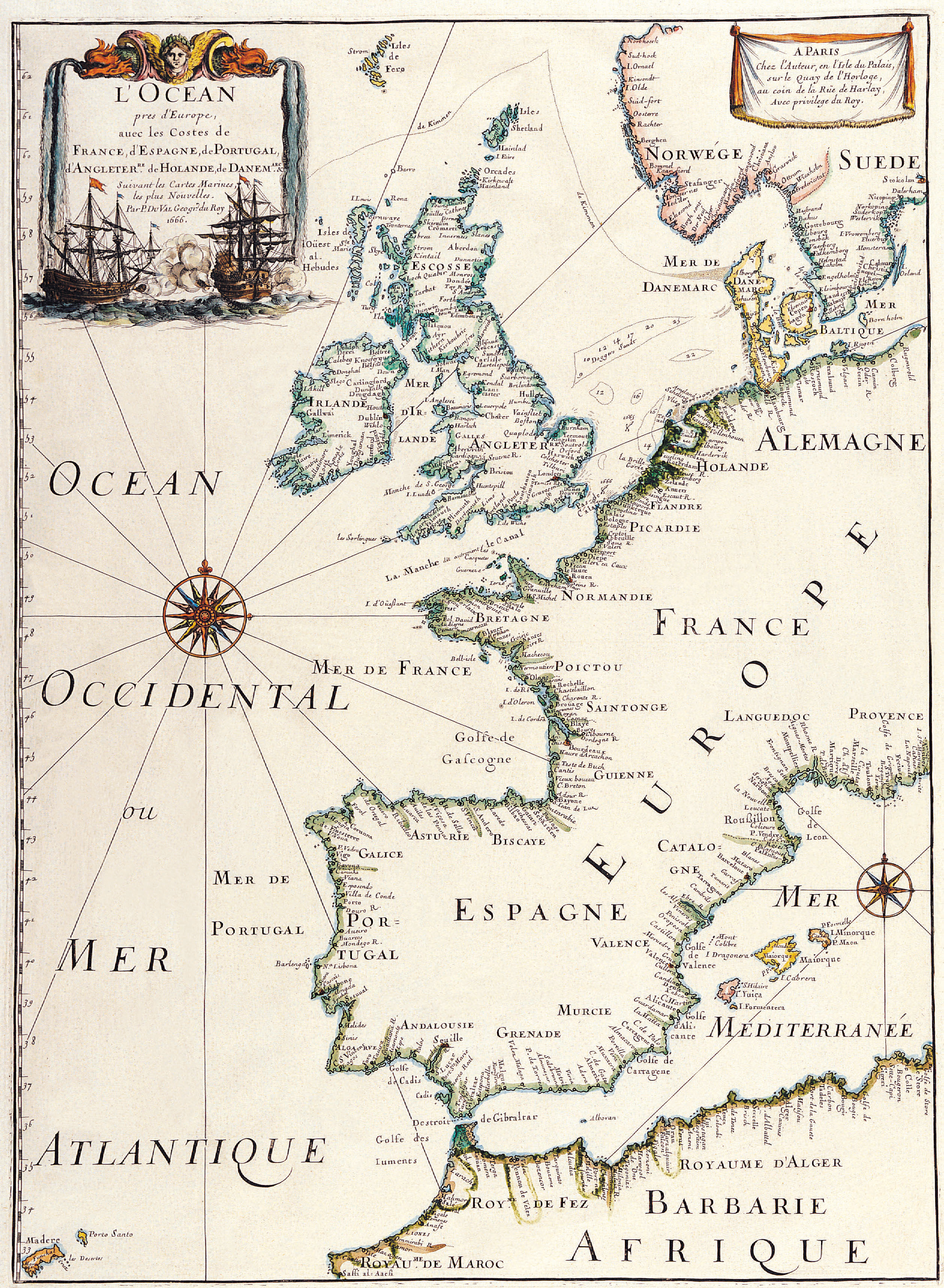
The meme is a vintage-style map of the world, specifically a 17th-century French map of Europe and the Americas. The map is titled "L'Ocean" and features a detailed illustration of the continents, oceans, and various geographical features. The text "L'Ocean" is written in French, and the map is a representation of the world as known to the French during the 17th century.
detailed-analysis (gemma3-27b-vision)
Okay, let's break down this antique map of Europe with analyses from the requested theoretical lenses.
Visual Description
This is a hand-colored antique map, likely from the 17th or 18th century, depicting Europe and portions of North Africa. The map is oriented with North to the left and South to the right. It's visually rich with detailed coastline renderings, mountains represented with stylized hatching, and forests indicated by small tree icons. Rivers are intricately drawn. The names of countries, cities, and regions are written in a flowing, ornate script, largely in French. There is a significant amount of text beyond place names, including descriptions of territories and notable geographical features.
The colors are muted and earthy – shades of green for land, blue for water, and beige for the map background. A highly decorative cartouche in the upper left corner features allegorical figures and elaborate ornamentation. There's a focus on coastal regions, likely due to the importance of maritime trade and exploration during the period. The depiction of Africa is limited to the coastal regions of North Africa, showcasing a Eurocentric worldview. The scale is not immediately obvious, but it’s clear this is a broad overview rather than a precise survey.
Foucauldian Genealogical Discourse Analysis
This map isn’t simply a representation of geographic reality; it’s a discourse – a system of thought, language, and practice that produces knowledge about Europe and its relationship to the world. A Foucauldian analysis would focus on how this map constitutes Europe as a known, knowable entity.
- Power/Knowledge: The map demonstrates a clear relationship between power and knowledge. The act of mapping is inherently an act of power – the ability to define, categorize, and represent the world. The cartographer, and those who commissioned the map, held the power to define which regions were considered significant, how they were named, and how they were related to each other.
- Episteme: The map reveals a particular "episteme" or underlying system of thought dominant in its time. The focus on coastal regions suggests a maritime understanding of the world, while the limited depiction of Africa speaks to a Eurocentric worldview.
- Genealogy: A genealogical approach would trace the historical development of the mapping practices that led to this particular representation. What were the political, economic, and religious motivations behind mapping Europe? How did mapping techniques evolve over time? This map is a product of those historical forces, not a neutral depiction of reality.
- Disciplinary Power: The map participates in "disciplinary power" by categorizing and ordering geographical space, reinforcing existing political boundaries and hierarchies. The act of defining borders creates the illusion of natural divisions, obscuring the historical and political processes that shaped them.
Critical Theory
From a Critical Theory perspective, this map serves to naturalize and reinforce dominant ideologies and power structures.
- Hegemony: The map supports European hegemony – the dominance of European culture, values, and power over other parts of the world. The focus on Europe as the central and most detailed part of the map, and the limited depiction of Africa, reinforces the idea of European superiority.
- Ideology: The map’s representations of territories can be seen as ideological constructions. For example, the way borders are drawn might reflect political aspirations rather than objective geographical realities. The map normalizes the existence of nation-states and their claims to territory.
- Representation & Othering: The map's detailed depiction of Europe, contrasted with the sparse representation of North Africa, operates as a form of “othering”. It emphasizes the "familiar" (Europe) and marginalizes the "foreign" (Africa). The lack of detail can be interpreted as a denial of complexity and agency on the part of African societies.
- Enlightenment Project Critique: The map, as a product of the Enlightenment's emphasis on reason and observation, can be critiqued for its complicity in colonialism and imperial expansion. The map's emphasis on mapping and charting facilitated European exploration, trade, and ultimately, control of other parts of the world.
Marxist Conflict Theory
A Marxist analysis would focus on the relationship between this map and economic and class struggles.
- Resource Control: The map’s detailed depiction of coastlines and rivers highlights the importance of trade routes and resource control. The map facilitated European expansion and the exploitation of resources in other parts of the world.
- Spatial Dialectics: The map depicts a spatial organization that reflects underlying economic relations. The map's depiction of national borders can be seen as a product of struggles over territory and economic resources.
- Colonialism and Imperialism: The map is a tool of colonialism and imperialism. It served to justify European expansion and exploitation of resources in other parts of the world.
- Uneven Development: The map implicitly reveals patterns of uneven development. The detailed depiction of Europe, compared to the sparse representation of Africa, highlights the economic and political disparities between different regions of the world.
Postmodernism
A postmodern perspective would question the very notion of a "true" or "objective" representation of Europe.
- Deconstruction of Grand Narratives: The map can be seen as a product of a "grand narrative" – the idea of a unified Europe with a shared history and destiny. Postmodernism would challenge this narrative, highlighting the diversity and contradictions within Europe.
- Simulacra and Simulation: The map is not a "real" representation of Europe; it is a simulation – a copy without an original. It is a constructed image that has no direct connection to reality.
- Subjectivity of Knowledge: The map reveals that knowledge is always subjective and constructed. The cartographer made choices about what to include, what to exclude, and how to represent geographical features. Those choices were influenced by their own perspectives and biases.
- Fragmentation and Hybridity: A postmodern analysis might focus on the fragmentation and hybridity of European cultures. The map obscures those complexities, presenting a simplified and homogenized image of Europe.
Queer Feminist Intersectional Analysis
This is the most challenging lens to apply directly, but it's possible to extract insights by focusing on silences and omissions.
- Silencing of Indigenous & Marginalized Identities: The map is overwhelmingly focused on European power structures and colonial ambitions. There is a near-total absence of attention to Indigenous populations or marginalized groups within Europe. Their histories, cultures, and experiences are rendered invisible.
- Geopolitics of Gender and Sexuality: The map implicitly reinforces a patriarchal geopolitical order. The emphasis on military power, territorial control, and colonial expansion reflects a masculine worldview. There is no attention to the gendered dimensions of colonialism or the impact of European expansion on women and LGBTQ+ people in colonized regions.
- Intersection of Colonialism and Gender: The map fails to account for the intersections of colonialism and gender. Colonialism often had a particularly devastating impact on women, disrupting their traditional roles and undermining their economic and social status.
- Spatialized Power Dynamics: The map demonstrates how power dynamics are spatialized. The control of territory and resources is linked to the control of people and their bodies. This is particularly evident in the context of colonialism.
- Critique of Eurocentric Mapping Practices: A queer feminist analysis would critique the Eurocentric nature of mapping practices. The emphasis on European knowledge and perspectives ignores the knowledge and perspectives of other cultures.
Let me know if you'd like me to delve deeper into any of these theoretical analyses or explore a specific aspect of the map in more detail!
simple-description (llama3.2-vision)
This meme is an image of a vintage map of the world, with a caption "I love maps" written in a playful, handwritten font. The image appears to be a classic illustration of the world from the 18th century, with ornate borders and decorative illustrations of ships and sea monsters. The text is likely added as a humorous comment to express a love for maps, perhaps as a way to poke fun at the idea of being a "map enthusiast".
tesseract-ocr
ie i * aN = as = : ion es) Ay. - ee Hz. is F eis NN i Ef, a waa — a : in Pe cep LOCEA ie NO res Lf: 1 : iN EA ss Ne yds) or SN Sts ss L ies pred. N Hy ou i ° 4 aN EF aue Euro ie RS de : 1 R cl fre hte So ros ) AN es 1 pW) toy, wy ) c ; Co i oO cro E (| Boxe B,d Espa stes d y B rh S&S + yy y + e \g = hs | Mh LETER™ GNE,d 44 = & — ved «eH jdePo ys oe - | a E Sut OLAN RTUG. A. re 5 : (me an ioe i ‘Al vant-le DEd AL A fh: we 4 poset : irs he Ne AI ea deDan Ey é “<* U 8 RS Boe i ANP. plas Ne we Mare Ema Nf 4 Ae a i 2 ock = ee 1 plas Nowell ee Lo [ase eee eben : . | Ni | Se ha eGebgt . : if) ): Z ie vot! \ “3h _ Kinser — | Nic RA mee’ ora Ray § aN Nh rey oh oe ay ole i = yh they < \ Z oy DAY my of Ht : reo 4 Bisa iN ~ = - M57 4 TY a RAI, ih ag Piel 7 SR ° 4 Barre 5 er ctland . es pilsfire chee = AE AeNe —— fe Aes 4 ee f PERSIE, BS fs) AG wus oy ae X A > Rad N ; zs ff fi i oe? ‘ay! i sei a £e eg oS \ ve ae guy a Un de Palais f me eee ath) (ise yy tel Lier Seeeicies , obers NS Pe ft l} (Ss —— =4 NY ed a aR Peed BL /iil Nou es des 8 if us are peste ‘ : ct ook e ase ade 1G: i | a 8 oe ° ‘. S a ty Fg) Oe mY xf sien Pic cathe 4 We — (oe Harley Af / | —— = Ses = = ee. “Hebude BS Eon on AW eh NG Se EGE? sera OTe 195 SS ST. as 2 ee) s 4k Pega Seren a /m ea - pd laatvaaoa™ 9 Al : —— ee — wee poe Ae na JS eggs . aX ny ! = =< Sa EY cs 1 Oe Rccaks on SY \ % BE ve ees, ye oe i H ——— Se} ae Bf; ogden Can aa BA pst my we SS ow Y ee S : | a As 3 Vise NS Cs oes es = oe D E Is [ast dys. 5 ec SS ao Ratefiend e eee | HZ is a TREES Wee “Gee mbar pet : ane Me = eee te ‘| | el ee We pear, oe oe oe ae Blin 2 ioe | Hl. ue inst Loe, Yn SS a i SS D ana fr ox ge "Se ba Eis ve Bey 3 Ise a? Pigs use ‘Beck ae. | a rT weheg te Fs ee Me. Ce “Carli eh, : etn ¢ s8 diye ae Y ' ° “i 4 elilde ere ese UF one FE : rok ff ‘ |! a erode Ry Egremond poledye ree, ae ee nS ahs at gh ngelho! Sch A a \ see: patel ae ee ee oe Be eee a 16 ee ete gins i 3 esis oat pi: Sa ae ie [epi se we, Ccehe infec ihe Spin | af sete =s 34 a i = ont i se aX es os rar: we } eo: we aE Ne 2 Si paavole nttllgs . ee es. LSS coe PY aves, 3 ni | : Ds ae Ea LANDE parish Chater Vi a x ee ee ome zh Ss link 3. eS a j A > ee Q 5 tee Of 7 inflye ae ‘ 3 a€4 o ase = a ek PP SE BA e Dafoe eae oe) ie e Beat fe e ALTI pes dftliese ie EES, o pee ee? ps 3 | Fe hee Beaty LETE Sie.. rane 108 bP i wegitt vs ye re Mig 2G sen Pn | sfanche Ls Le é@ uence R Pct ‘o 7 es ink goo ee sat ES eee S eS >. 1 iS Colt oh BB Reels fi Pg € gir t ae = Z aot Re oe iad Gye a. Bene om ee Ben: 3 8 Ei reo Be Wk § es 2k Fs oa) ano Die ee cei" RS zy 2k te S ut > § Sr. 25 y f Lae + 4 ae Seca 3 = ey ee E aS: {> oS Say? sy As ae Py. on aes ons pe see ee ae “pking oe eee, AS : Wid 7 AS SS 12 ca Son es : ae foe os 5 oO : gy VER ade eee flor LEM ZA Z| i Ce Hei ak Eee AN A eZ yh \e Pee oe Wee oo me CNE i Wy a qucter &. foBolocs Bee R- NS oe Yi pratt: P oe KE} i V4 Ld 0igfan es ee ese. JS amen Wes iG Se oe (ae vise Tape H Wa ‘ee CEE, OO Se: ; on eR et ean Picbe i BE 7 M. Jor Michel wo 5D By ME, ee ETAG ORN tH R DE ae AD ori NE LAND / ih “< F ee ees = f RA alleisle & oS at S088 7 Nc Le Bee re tt E Fe iachecot, i LOR ——. 2! R Oleg at A ri) adoleron bee Rockett, C E ! BA cavne 2 i Golk oe Rae Si i _ G fe~de “Patel ns Hr? ie ak y RB a N Ti yA 28 COG: b Apes GE | ae s gue EG pees oums Le ie au wes Ra Upon ae & L Ms pre = a arg ea Ti bre ; Wes - Latter. Se a sores US a Bett ANGUE | M. ee nq cs neg 4 SY ir bo Do ; E PBF Ved oe IES 3 “Bre can U! 0.C i R D Brie G: tAs Sey a5, oe OS i IENN ea P E Sh AL: TUR Se oe te Ge jfetiarene E ae 2% R lly precy ICE ew, en ae 2 3 OVE y Croke % ESS, Gee ae SoS 2 NCE aan ice ae eel a dk Po Bruce CAYE we _ & nat & Ee Balls : . di R eee a de A i age Rat. Ba = Sood T ore Co ¥ 2 Ep ay AE 3h Wee UGA Beno de 4, See _oe Lose 4 L ‘Po : ell BO PNA Re E pnb > cate YA 32 wee . 2 Rey H eee »R= E Cx Roukiillo Ye 2 eae Fag a { | oe sca : RRS i IF; g Barleny dhe dee TW dego R- S TALO= Ele olfe Pes (i eee PA ce ‘ aes : : ql ; ee ona. dG G E ea ta foyer fone Leon { 7 we oe iil oo pe yi ! epee oo ee a | Ne Ne = nc al WE ; q fe te, ite eae f x | Woe ¢ olides v4 Nee PO E {S | I sO te“ poe i : fats, gyAND. ra, Si 8 1g, {Colbee = i pees ae ALOUS ee il Se AIRY i ‘ io. Me 3 iS-3 ENeeeee) SEE C pV: Dra prev Ws5 cE a $9 SSeS Say ille G M naa ginee 2 ie aa 7 : aa Se. ps U fae, orate oer aI RI os +REN /RCIE ene. sO ia! ae | cad We hs \ = ‘ADE baa Gs Pa again ' . v ar af > 8 nite haa, ao FP FS Hai - u i Ti adie Mage, A ate Ne ce phi ASS Pict? Je ” 4 eee 3 See a a on ee . 5 Z Te’7 adie g es 1G = AS of Se ee ao fa Fon ap ea Seo ee ee eat eae cS ate | E = ; ys Ss pe AR a ca “ais cance FI oe 1 x As : Sippar * ee yc Ale I. ) fe is Golte h ceo tea eG pee saacill * eo de DIT 55 gay a Porto i : eS ee eGibral Vs oe EE ] Opt Sais Tumer {Se we : RA Z a es Alboran J fea at aI tie BRS dl 2 G7" “8 % a 5, | ae as fat Bes k e2 B Re. 6 met ees Sag Rare SE =o@ is * ae — ae net eat ees g es RP RES Gee LES? pists = ge oy” ya: had no a Peeee 4 ee ae ees ———— * ai. flies 4 eb : a eget FER te mee ee Ss — 4 ges ie a8 E FE; . RE eee ef OY 8 eS = Aten Pon tee Zoe : AUM . 3 Galea: A UW ME 8 = ach D D’ a Cc | B A : 5 aed : oe |