First Seen
2015-12-18T09:30:09+00:00
simple-description (llama3.2-vision_11b)
This meme appears to be a historical map of the Americas, specifically a 16th-century map of the New World. The text "Toto" is likely a reference to a popular phrase or joke, but it's not clear what it's referencing in this context. The image is likely a humorous or ironic take on a historical map, but the exact joke or reference is unclear without more context.
detailed-analysis (gemma3-27b-vision)
Okay, let's break down this fascinating historical map through several theoretical lenses. It's a rich visual source, and each approach will illuminate different facets of its meaning.
Visual Description
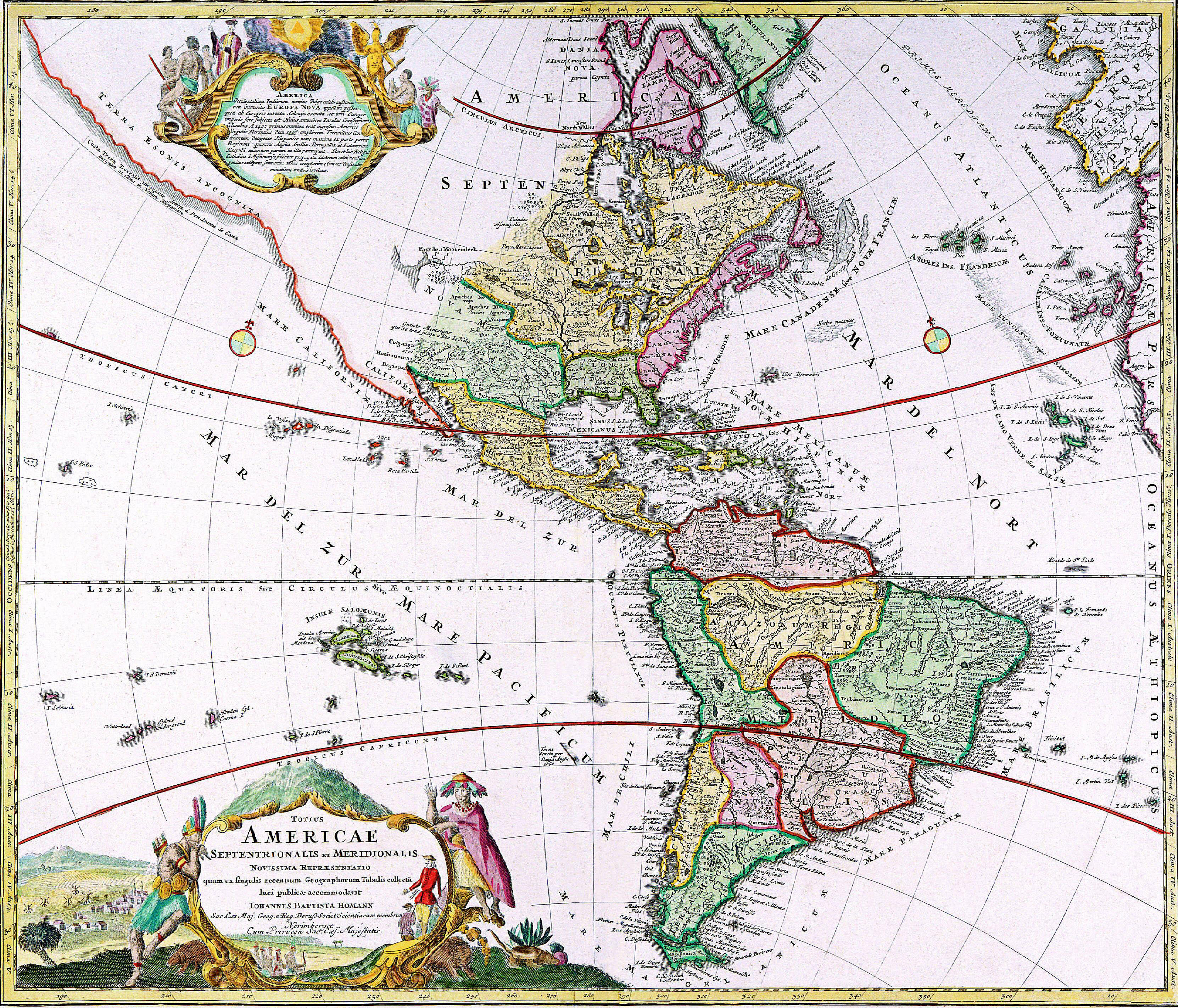
This is an antique map depicting the Americas, appearing to be from the 18th century based on the cartographic style and paper coloration. It's an elaborate, hand-colored copperplate engraving. The map is oriented with North America at the top and South America at the bottom. A prominent, thick red line depicts the equator, bisecting the continents.
Key Visual Elements:
- Cartographic Style: The map uses a stylized, somewhat decorative approach to representing landmasses. Details aren't strictly realistic but rather emphasize key geographical features and territorial claims. There are ornate compass roses and decorative cartouches (ornamental frames).
- Territorial Claims: The map clearly delineates colonial territories with color washes, denoting possession by European powers (likely France, Spain, England, and others). The naming conventions are in Latin and local indigenous languages.
- Oceanic Features: The Atlantic and Pacific Oceans are depicted with elaborate scrollwork and illustrations of sea monsters, ships, and winds. This reflects both the literal and symbolic importance of maritime travel during that era.
- Indigenous Place Names & Representations: Some indigenous place names are retained, but there’s also a clear overlay of European naming conventions, demonstrating colonial dominance. There aren't many images of Indigenous people, suggesting erasure or a focus on European claims.
- Decorative Elements: The map is not solely focused on geographical accuracy; it is a work of art. Decorative flourishes, mythical creatures, and allegorical figures add to its visual appeal.
Foucauldian Genealogical Discourse Analysis
This map, viewed through a Foucauldian lens, isn't just a depiction of geography, but a discourse that constructs knowledge about the Americas and, crucially, power relations.
- Knowledge/Power: The map creates a certain understanding of the Americas. It’s not merely reflecting pre-existing knowledge; it’s shaping it. The act of mapping, naming, and classifying land is an exercise of power. By labeling territories with European names, the map asserts ownership and legitimacy, erasing or subordinating Indigenous land claims.
- Disciplinary Boundaries: The map subtly establishes disciplinary boundaries. It defines what is "known" and "knowable" about the Americas. By focusing on specific features (coastal outlines, rivers, colonial boundaries), it excludes other ways of knowing the land (Indigenous knowledge systems, oral histories, spiritual connections).
- Genealogy of Colonialism: This map can be seen as a ‘snapshot’ within a genealogy of colonialism. Examining how these cartographic representations changed over time would reveal shifts in colonial strategies, knowledge production, and justifications for domination.
- The Gaze: The map represents a specific European gaze upon the Americas—an objectifying, controlling perspective that prioritizes resource extraction, territorial control, and the establishment of colonial power. It positions Europeans as the subject of knowledge and the Americas as the object to be known and controlled.
Critical Theory (Frankfurt School)
From a Critical Theory perspective, the map represents the instrumental reason of the Enlightenment.
- Domination of Nature: The map embodies the drive to categorize, quantify, and control the natural world. It’s not about understanding the Americas in its own terms, but about reducing it to measurable data and exploitable resources.
- Objectification: The Americas are treated as a mere object to be mapped, measured, and controlled. There's a lack of respect for the inherent value of the land, its ecosystems, and its Indigenous inhabitants.
- Ideology & Legitimation: The map functions ideologically. It legitimizes colonial expansion by presenting it as a natural and inevitable process. The clear delineation of territories reinforces the idea of European ownership.
- Loss of Subjectivity: The map obscures the lived experiences and agency of Indigenous populations. It silences their voices and perspectives, presenting a Eurocentric view of the Americas.
Marxist Conflict Theory
The map, analyzed through a Marxist lens, is a clear illustration of spatial inequality and imperialist competition.
- Land as a Means of Production: The map shows the Americas primarily as land—a crucial means of production. The primary concern is not the land’s intrinsic value but its potential for resource extraction, agricultural exploitation, and economic gain.
- Class Struggle & Colonialism: Colonialism, as depicted in the map, is a form of class struggle on a global scale. European powers are vying for control of resources and labor in the Americas, exploiting Indigenous populations and establishing a hierarchical system of domination.
- Unequal Exchange: The map represents a system of unequal exchange between Europe and the Americas. Resources are extracted from the Americas and sent to Europe, while European goods and ideologies are imposed on the colonized populations.
- Territoriality & Control: The color-coded boundaries on the map highlight the competition between European powers for territorial control. This competition is driven by economic interests and the desire to expand their spheres of influence.
Postmodernism
From a postmodern perspective, the map can be seen as a representation rather than a “truth”.
- Deconstruction of Authority: The map is a constructed reality, not an objective representation of the Americas. It’s a product of its time, shaped by European biases and ideological assumptions. Postmodernism would question the authority of the mapmaker and the presumed objectivity of cartography.
- Simulation & Hyperreality: The map can be seen as a simulation of the Americas—a simplified and stylized representation that bears only a partial relationship to the actual territory. This raises questions about the relationship between representation and reality.
- Fragmentation & Multiplicity: While the map appears unified, it obscures the diversity and complexity of the Americas. It simplifies a multifaceted landscape into a series of manageable categories and boundaries.
Queer Feminist Intersectional Analysis
From a Queer Feminist Intersectional lens, this map becomes particularly revealing regarding power dynamics.
- Gendered Landscape: The act of "mapping" is historically masculine. The map itself could be seen as a form of claiming/possessing, a historically gendered act associated with patriarchal power.
- Erasing Indigenous Women & Queer People: The map’s lack of representation of Indigenous people is amplified when considering gender and sexuality. Indigenous women, and those who existed outside of colonial gender binaries, are rendered invisible. The map perpetuates colonial structures that inherently marginalized these populations.
- Colonial Violence and the Body: Colonialism involved profound violence against Indigenous bodies – particularly Indigenous women – as a means of asserting control. The map, while not explicitly depicting this violence, symbolizes the structures that enabled it.
- Intersection of Colonialism and Gender: The map implicitly shows how colonial power operated at the intersection of gender, race, and class. It illustrates the exploitation of both land and bodies, with Indigenous women disproportionately affected.
I hope this detailed analysis, through multiple theoretical lenses, offers a comprehensive understanding of the map and its significance. This is a powerful historical document that invites ongoing critical engagement.
simple-description (llama3.2-vision)
This meme is a humorous illustration of a 17th-century map of the Americas, with a large hole in the middle where South America is supposed to be. The text "South America is missing" is written in a playful, cursive font above the hole. The meme is likely a joke about the absurdity of a historical map being incomplete.
tesseract-ocr
. = —— Sa ee — — SaaS SS SSS SS SSS Sica oA Ta RE ae), = ———eV'VT—aermonv= ————— SSS = SS re sp a ee ES ee ee Fe 550N. Sate eA OD as a CED a EO RO See Sk nae ee ER = | o> ee ee CC ——— er Oe eee nother rat Doras EL BN i te af PG Dzeeeger Sobimipelin yh | a Y . & = eee 2 ee Poe Bei Awe Fila hry, hy, Fe %/ a oe 4 Ph GA LOE fr | Tye 7s oe ) See ee Leelee c / Daw Ae Soe ee @ : NN fou PP gsr cas) fe ey yo Ne Se i ee Sr Ds, oe SS PROGR OO ES 14 Jay) ea J Koh TR ger a = [oT cen tage > SY sl oo ANE LON EF alee, i eg / of poem (Coys Woe tes SP Oe Se Cee \& : < © Se a Pith ¥ Cons ye | — (Gay Soe NOY Va ica! al eS ee 2 cacy Tee Vs i. Cee Pee ae ee Ty Ce Ar « a tnemcsd for" © steak | Sf = SS ty CAN Zee) to sree EU ROA NOWA gr pyfee (ee FA / cc / PASSG NZ oie ol ee Ns +} PR; Ce Orage fa vse =) HS WS | WSs oop mg Wa] et ab Gerapese invents. oboayis exculta vet wt Carspe ee eT, == BA 2 GE NER Dip ERS Care 2 a H SS e NOP) trperts fore fibiocea est. Hiatus anteniiree Tasulas Cinjtephont NS 7 hls / ULry, asew S| ss 2 \ Dagee Ge o& Poin Oude Finjter’ fe “fu 1b ee He Heil “Ss = a LEE = Glankas d sags primusenmion erat orgies Amuse (fp eee SA / DP AR Gee Series erie tt Sg ee : A , DTDs d, atts 5 fe : S| a yy er ernie ten ta aplien Tercicton EJ / ures, Ore AS, (eee (fer Pc eS £ Xe a EES 2 | ec iS SS | Pinenter Betsgeate Hispanics nine macina ex, ae) SS / f B= (ete = ao 5 “ “ La es Diite Da carey Ate S NG, _ ¢S BSG Rerimins -qioerst Aegis Calin Prrvggalts Fact | yes =" } / Ape atdrance Datars ee NE \ ao ae 2 Lee: B : Ne 0 SSN, 2 corse tepenigane. Boho ase ge ee SS ee & \s Y REEL J i A J aN a Re Goch Aylmer propagate itera cl nemPa ga | Clg ER APS es ey ee gall ade gS at \ ASCYS#F Be . LA 2S oy zs % -geegereerircsarneeas Bs | wee ae: Jil SZ see eat ge © eo \ & fips al Se ged ie sf] NS Oy, = Ce eee La / a FER Se ye lee | pz to tt ith ah ee St ge \ : \ “S, ED Waa || + S bi <eia Sy 2 SN iG SUS i Thi eas eee 2% Hee ee : \ < \ x) ee Age o seer a A}: Bea ae SS SS EP TE WNW Zikiercti! fi B = * ey S, TERE ike * Aen. Za ae 1d Prag er te oo \ y blde $.2 ee Z aa Bp HS é 4 “Sa / Ss SS ; [° vge RSS BL snl sung oe pra te eS A ere ‘ ry weg : a ee ee? pn / | catty. leieep iment ppieer eet C LEE AIE Ee AQ x poe No ak & / Sa Weta: f f | ceogeetee: (ght Stns SS z\ : Sgn Se cies Cae me ekiis \ ve \ “dy tenets BS He etl 7 oF ee *2, Cees ing fs / | ieee = a seed Seutkc Walls) Tas nae ogee See, ee ae Gea a of Ae ae A x a z \ te A Bossy 8] Sl Ret | ee, / PORT SIRS ENG EEA eg SSS sn Eafe Meee) | A) 3 wine “wean SH - Sa [ eesiad es iene | ree Brea Eee ae Ale eee es See SS a! \ By Sg < €. Cannis ie I ~Sme / eae fea a ae Sm ie Se Be \ “eee sh ‘ BONE Soh / a < ‘/ : ; Pip Matias Gf Stef GRIN, INGE ce ge Et MR > |? Fp AE PES. Meri Fire gies ane Bane Fon 5 } y Af Bade lathes ea gered © 5 eee Ce oe =f ed ie ae a a fo | all / - q “| a Fy dE RED Be Nbeeaes ot SSR, Gi Re A ea Ye A aN Z = : li; ae : c i AP ea NG eee es eo ee Rg = ' , SS Sess 7 “a ae - pn} 2 pte] ) Beak? Cee PAS SED ee, SAta rh eee tek ine fs Soe \ \ Zs 674. i Sh ; = Ss SEE Ve Sree oe BES iui ARS ES psa ese a aa Ze RE ee x ee A? Sam ee "ZZ |5 ef sy Pa Be ee ae en ae 2 bs (| is / = | s a | RES en gy EO OPE i a aN ge a aes i Cg SEZ og ny TIF Fe aie 3 HS |} is | / = i Apaches Sy, RR ON A page re eee UR SM, > 2, SG Oe Ge rg YS rs fl ! / b, Ss ‘ i Pe canes Baas, Se pial Cope ert Reg! \ ey Re Le an BD FE I iS : S } / ey 2 =e Ae re Shee =e See ee ee : Pg BIEL SA. mH: | / 1. 2 a wo te, AN ees ar fe ue ye IB ge al ih / #2. | ge Sete A pT Re El Bees "Sabb We Ee pe Se ea OE Zag IS fy aah / fi ;3 / OES a at ss Raden NY REA wee og ea * {) Bigs ay on HS S a, ~ Cy |< Gutyng, BE pPertn ta ie aa Tie eh Dies OE yee a a os AT. Z He y f ee) 4 : Lg OS gee Ot EES OUR A a 2s _ s A EE... \ ZB 5 3 Pe / Fe ten Re EE ee SE S| \ 4 \ Ss \ fies SH / ag / a Cg Step Fen BES Tea ree ebe Oo ate EO Me | og \ me ee ee \ a tes Bi H en / Ze wal / =e o = are BES APE (ye BOS : ag ets 56 Tally WBE? ty pec Es \z Zi les Bermuitet \ \ \ ee Lu | 4 a ary | = 2 2. Rice Sp Ne Bema) tar! Celis | AT gen acer a ae pe \ ¢ a Za 8 all ye cs | Op Be peta may 3 Leta Rey a = \ & \ Aw Ws Se a ae : ¢ | St Se i Si Kee ee Ee ct ae Si, de \ \ . FA I. Meterte ~ \ A. I A ash { De pe ppt le: FE NN. ite BIE aa Ame eet Luca, Pig — NaF heen S = \oanfe oH Spiess / ni aS = = ri) Ue te, ei ae meeyeeeL* | aly OR Q _ ee. Z Z_L.de S. Nibelse PrRRH | las | = [seg ig Too a [ek | eee ee eit ip te \ eee ee aS een A I: 5 = | a be oe oe ec ty erg Nar aU Fe meu Renato ron Pee EN ge 5 aaa et \ % g mete Zz \ ie Ex aH / e | | __ see... Se tor Sa ce ae Hy | % \ ee ageae | hg HS Sf] / i ~G ng., | Se Mexicans Zee ee cs LP \ \ a cot Bg WS eH f | ! fs forage a a aa tt ee ARTI ee | \ A nal S.tye! Eide Mave Z. SH | | | | Se ee | tree ane RO Rie tl RE ter IL i ee th Se CY \ \ % | a 7, 248 ef | | a ee ee ree ee ye Bere \ < | a 7 ate en” mae hea | xe | Ps Fem Tie ce MAS ree Si Ae a ee As ee, ty | \ % |p \ 8 | | ae i | f. | | tees Berite BOT (ent al Pci, est RS Eek St ne res agin Heiter eteete | A Om \ | Sa Ha) foie | | | i Sopot NF oe by coc gee eR Pare VE 4 hae Setaeaee woagee, tO <p \ = \ Fe ey Gy | | | | Fae tee? 86 Nace pele taeats Zee ee eC, Taree a" | 7 RD A AR prbonde ® \ + | Olls CH ] | | | | a Jp peed ee mint ram LO Cy, CeCe!” seb FY zie ae \ eee tt \ HE sell f , | | | | 4. OY ol te gene EVE SeeniNR SONTAG Se yh ot Neat ap egret NOR \ pee \ BS Se | eee, | OR WS cate Cee ge eee ee LD jal sR i i ' sere Cee en =a ae pee eet a Fe a i U Si | eee ee pee ag | \ | We aay | | ; 2 Ce ae eam ee a ~ | et \" [8 H i | | ! 0 FF eS (lta Aes ea ene Te ce | BN ell | | is Oe FE tn ON ee Be aN neg ae ae | vs | | ts a | | | | | | oC y LNs? Becerra a fe eee ee SEES 5 OT epee pw > Hs SSE i | | << j | ey | $s Ae ae Ta Ae ds Ai geal Re 2 OP ae Je | HS 33H { | | | | $F ghee = USER ee ne SAN fan eee BA Sante ad Benede de $* Toile la B S| | | i Tee Patria HER poeeaae Paitin. Weeaba fee UF perk ey cs yl Ray) | ' : | Peed erste pS EOS Hifi F Ss ataynane ARE RON REE ae | | hic we | | ES ve | age CO nr ea ie et Se ieee | SS tL : a ee Se Ro he oR at one oe nat lee a= —— re ee ie a ae Crxcvrust, RaqvinocTzauts | Esastahe es vee : <a. ae Be ie ot Ze . IS lk > e % ae ee i T GE, DS Agittesan ge peau! Der, Seed Es See ‘* “A, 6 be cal fi S| | \ My | ee ee Se Ns Ea ape ES el Sted GEIN a cl og SE eg Ph = oe, gas mes af | age: SAY O3ON,, | | | 2 pte tayo ) ae 7 ee oa Ss at, £5 R ues Cre © : ae erate ll: BA 3s ae i; | A DB ehg ei =O A S cpt Sealer Bh ah Gestmigtias Wahousurhe ands CARPE pot A Li | ee eee. | RS ee a zh AS ER iss oh IPs Pron Sache aay S| ‘ole al | | \ | agate Mar tA SIGS | 5 gee re A = or se, YY ice Wy SE eee ites s | o Ws At | | | | A ae ES ge | = Bae Rit iy sei R feel pice is SPE gi Peeeinlacs aera Breda SARI Se ! | ee as ib | 6 cae a ed A pi poke Niineethne Sa Tans PSs Beara eet I Us ea | sos AEE Seis : | SS pee cre Se) NERS IS) eR ee a 79 mies fe ae Be ae ee \ eet eerie \ SSS pg rt Siege TteS Pal | Gy Tide Sang eT Ries I 0 Sas Opes Sy ee 2B sor Ree 4 Mf SRS Se | H a: | Lz o | ae | ae q t, } ed ae Bags, OX yt (OSSD of Faneeh jee 5 sty mona Te | 4 | ee be \ RE 1 SP em \ | —==Ss 2255. | 4 soca ha py see ongte 1795 f eee ee cea eRe ere! hy | ae ll ! = \ ad Co 0) Se ee Hb oalgivwnlasiiay Chale OS Noumea PU a ae | | He rl gs \ \ a | Ss PRED RES coca rasa tape ae eens ge array EE 7 HS 1 af = \ \ | ZE | | CS. pease 5 ee te ie of Gees EigeeFataons | | HE Sh (BeSettares \ Zz a \ S \ | B Dice ob SESE ae aN * Shei nunnaes eee ee ey] } ' 2 y \ aR pe | + \ | & i Za oT Ma i An R hot a D gal Peer 0 ietniee se FE riser RD / | | zl sf \ oriiriont Aina TE ee | | Pia eget 9 SFA TN, Cente | / ows ial Z = \ i ie SP ie 2 a Ness = BPRS Cu RBS B SEE TR ty | Tella | I E § 24 ae peewee ee | nia RE EEO ate Renee eae | gage / I & \ oe \ \ wc 4 \ ne y fp eu gg SE A Gireih So Pee.) | ean) Tne ae EN, gt ght dele ope, I 3 \ ress Baclioate On n | eee ESO nS ae aE LEE EF ne Ta ae f \ , Te et \ Oe eR os a AC aati ae eines ee a | ry \ at ihe aS ee ee | an o | e a a= ~ ee gett os la x oo mel E Mareéa a = al \ \ joa sl fee ee na g ee pe Bp IER, ce Lie Seecintete to, Ere Sek. : le Sh \ gait 3H foe = = ay eae “law Tomei Aimee ES Nef J RA GUS Eee, } / Gy | : Age Oy ee. gage o «| Bepheset Bo ead PA ANVee DT. Asem / (sav ncBN® ee * ae eer ee a RO Sg Sy Etec OAS AS of PNY ate parylst Sy La 7a a “ta | 20H : \ ‘ LE Jeers SSK SS (oe 2 ; le Cmapas te OES Aree Pra RE, he, geen ante og / ie sf \ A \ a AL Torivs SS oe 4 Wie Jey ey Se andi ea ie crt Re ee / mal] S oq o OS 2) G7 a ™ = Se rE ne aoe ae SSRs foots “38 gh | [ ie ial \ we AMERICAE Co = me Nc [ox isles ee) TT / / I 1 SW iat es Sea sk . Catches ed SE Brey eek YT | fy. 238 ter ge, | oT Rag / / a SH ee fo SP 7A SepreNTRIONALIS xr MERIDIONALIS .. We N | Fhe yee > je tag ng, [ag } / / Ve ef een oe pepe af ae , SF: Fa} eee i Seed ae H le ee if Novis stats REPRS.SENTATIO oe z | exe i apes S yes gi “Fret, [ / iy. i 2p Ses. - Pes ets ay Be hy 7 | mez Bear spay’ ogee fe | ; / ) 4 he FE (AIRE quam ex Gingulis recentsum Geographorum Tabulis collecti. i AR NG | a eS een, | ] | / 5 | y | Sere oe ee ge 4) Iuei publicee accommodavit ogee aces Ga * ctep type BRED en | LS i fi J: He W SH os) oe eee DS ae ee we i re: _ | A ee | / / & |e eae AE ga Ee ij ge !, LowANNES BAPTISTA HOMANN Bi i) ‘ T ae EE at a co APs ‘ / / / ! Pf SS tee BI Pa Wy Sizc.Les May. Ceag.e Reg Bore/SocictScientizram membre Zh ‘py A ee a | y Fran, (1g pf BER ey in f / f / a Lo ee BOSD. a Cun Puehitt PEE Meter F205 BBP Fe iy e Ft get a OF PRENTICE geri kU / / is = aS as a hee er er Dy et 2 [ASS SN EE, : OD fat RIE RR ay ie / / é / a : eH eee Zt a ae oe | Bie = 5 ee fos / / VS |S NOR ees ee a 8 eee Vee ° See ee ae ra / i jeg ee eh Vi”. AG ee OE Sy \ apse ee ee ol e / rE < | ~ Hsp eS eee SS ee ee aac, / a f p (re ne aa L ee oe a ea ae eee es aN TEP a pan Es ap ay GAs Bs TP UENO SD) ESE UDO G/ new Ea EEL 07 Fo SR S00 ee be Se ee eee —\— = - ee ———