First Seen
2015-12-18T09:30:09+00:00
simple-description (llama3.2-vision_11b)
The meme appears to be a satirical illustration of a world map, but with the continents and countries swapped to resemble a penguin's body. The image is captioned "Papes" and features a penguin-like creature with the continents of Europe and Asia merged into a single entity, with Africa and South America also merged into a single continent.
detailed-analysis (gemma3-27b-vision)
Okay, here's an analysis of the image, broken down into sections as requested. I'll cover only those headings where the image lends itself to a meaningful discussion. It’s a complex image, so these will be somewhat dense.
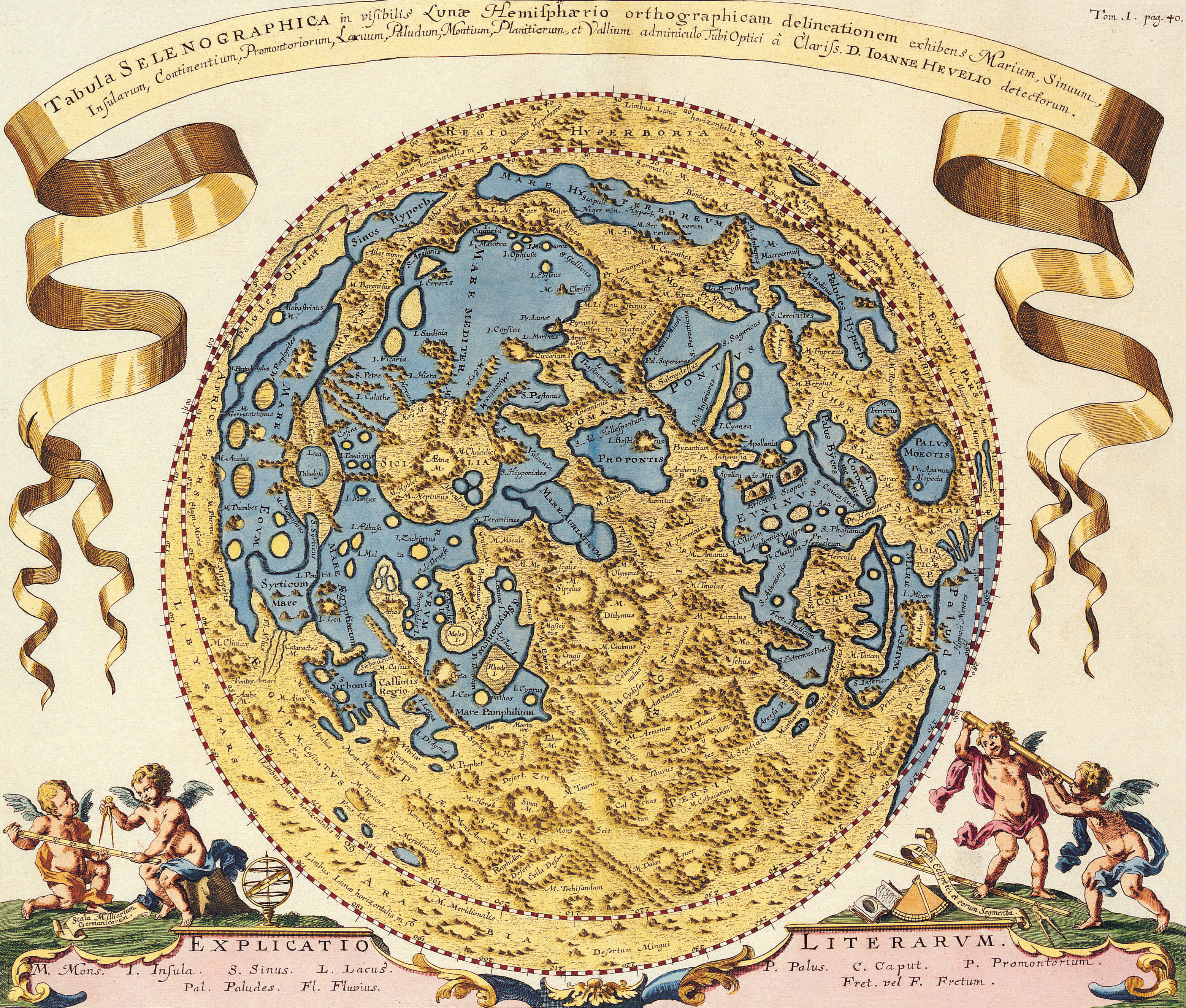
Image Description: The image is a highly detailed, hand-colored engraving depicting a map of the moon, titled "Tabula Selenographica" and created by Johannes Hevelius. The moon's surface is represented as a terrestrial landscape, filled with mountains, craters, plains, and valleys, all labeled with Latin names referencing mythological figures and classical geography. The map is framed within an ornate cartouche and decorated with allegorical figures—putti blowing trumpets, and allegorical figures representing the sun and moon. There are two sections at the bottom with keys for "Explicatio" and "Literarum" offering definitions and clarification of terms. The overall style is Baroque, with a focus on detailed observation combined with artistic embellishment and symbolism.
Foucauldian Genealogical Discourse Analysis
This map is a prime example of how knowledge and power are intertwined. Foucault's concept of discourse—systems of thought, language, and practice that construct reality—is incredibly relevant here.
- Construction of "The Moon": Before maps like this, the moon was primarily a symbol of myth, religion, and celestial influence. This map constructs the moon as a space amenable to scientific investigation, a 'terrain' to be mapped and understood through observation and categorization. It’s not simply representing the moon; it is actively creating a concept of the moon as an object of terrestrial mapping.
- Disciplinary Power: The meticulous labeling and categorization of lunar features establishes a discourse of control. By naming and classifying, Hevelius (and the scientific community he represents) imposes order on what was previously a perceived chaotic and distant body. This is a subtle form of disciplinary power – the power to define, categorize, and therefore control understanding.
- Genealogy of Knowledge: The names assigned to lunar features— referencing classical mythology and geography – reveal the historical lineage of knowledge. It’s not a ‘neutral’ scientific undertaking; it is deeply rooted in Greco-Roman traditions and the worldview of 17th-century Europe. The map tells us as much about the historical context of its creation as it does about the moon itself.
- Regimes of Truth: The map asserts a particular “truth” about the moon. It is not simply observation; it is a constructed narrative presented as objective fact. This map contributed to the establishment of a specific "regime of truth" about the moon, becoming authoritative knowledge at the time and influencing future lunar exploration.
Critical Theory (specifically Frankfurt School)
This image can be analyzed through a Frankfurt School lens by examining its potential to serve as a form of ideological legitimation.
- Instrumental Reason: The detailed, systematic mapping of the moon exemplifies the dominance of "instrumental reason" – the application of rational thought solely for the purpose of control and domination. The map isn’t about wonder or spiritual connection to the moon; it’s about understanding and potentially exploiting its surface.
- Domination of Nature: The act of mapping the moon – classifying, naming, and measuring – reflects a broader cultural tendency to dominate and control nature. The moon is treated as an object to be conquered by the human intellect, rather than a sublime entity to be respected. This is part of a larger pattern of technological advancement serving to further the subjugation of the natural world.
- Culture Industry: While not a direct product of the "culture industry" in the modern sense, the elaborate ornamentation and allegorical figures surrounding the map can be seen as analogous to the embellishments used in mass-produced cultural products. It projects an image of scientific authority coupled with aesthetic appeal, potentially masking the power dynamics at play. The map is as much about projecting an image of European scientific superiority as it is about accurately representing the lunar surface.
- Loss of Aura: One could argue that the map, in its attempt to fully comprehend and represent the moon, diminishes its "aura" - its sense of mystery and the sublime. The detailed, technical nature of the map transforms the moon from a poetic symbol into a measurable, quantifiable object.
Marxist Conflict Theory
While the map doesn't explicitly depict class struggle, a Marxist analysis can uncover underlying power dynamics related to the production and dissemination of knowledge.
- Intellectual Labor as Commodity: The creation of this map represents a significant investment of intellectual labor. This labor, in a Marxist sense, is a commodity, produced and exchanged within a specific social and economic context. The map, as a product of this labor, contributes to the accumulation of prestige and authority for Hevelius and the scientific institutions he represents.
- Control of Knowledge: The map represents a form of control over knowledge. The ability to map, name, and understand the moon gives those who possess this knowledge a position of power. This power can be used to influence public opinion, justify exploration and potential resource extraction, and maintain social hierarchies.
- European Colonial Impulse: Though focused on the moon, the detailed mapping and naming practices echo the larger European colonial impulse of the 17th century. The act of 'claiming' and categorizing the lunar surface is analogous to the claiming and categorization of territories on Earth. The map can be read as a symbolic expression of European ambitions to dominate not just terrestrial space, but the cosmos itself.
- Class-Based Access to Knowledge: The production and distribution of this map were likely limited to a privileged class – wealthy patrons, scientific institutions, and educated elites. This creates a disparity in access to knowledge, reinforcing existing power structures. The map wasn’t meant for the masses.
Let me know if you'd like me to expand on any of these points or explore a specific theoretical framework in more detail.
simple-description (llama3.2-vision)
The meme is a satirical image of a 17th-century map of the Moon, with a caption that reads "I've been trying to find my place in the world, but I think I'm just a crater in the sea of humanity". The image is a humorous take on the idea that one's sense of identity and belonging can be elusive and uncertain.
tesseract-ocr
GA ifjok i ax i aT eae in. vifibilis une Hemifphe rio etthographican Jay, oe _ SMe pes 0 RAP ony aciuen, Aud, Mention Plasitierun Vallone adminideTibiOptici fy etONem 1 ” ee ar ha . aN oO G Promontorror ny Bs. D, loin, ee : ary Se ge VEL 8 oo dey ly, i oor 2 Sep. oF en ee ee run, ) —SJ Oe race ig a ee [FZ > SS Se © yy eo eli iS 5 One mail pata a = Z — 2: Se U7] 5 fe ots he ie eee tha ok ey es \ SS ae NN Fe Oh eS RS BREE (SSS SSS a Z 27 SZ Ss Lee Va 5, ee SES aN are Uae = Sse = z e.. - ) AS Ee ee eS LE cc « = <— SAS GI EO Oe LR — “a 2 Z ti MEG Dy. “g PISS = TN RR 7 = ea enim Vt i Nos aes Ma SAS Sy Fi = a be Conk ae ON OP ess Ses BS ay Wee ag MAES a i Zi = a (7 oe | ees oe (Sint. Sra > . ee Toe, ft re es mA heh ae Pees Se SN Ze Zz = 9 3 x Sef Aas min: Pape = 1, OPhiufe ASS wes ee ae es ee s BE =N \ee a aK rere: Pash Nh ce pes GS 6 Vg ae ee = fa a 24, Me Be / a= = "WA PB hel Tie, go we Bg is 3 ; 5 aoe RN ee ea ee ate, te pave q eS = . oN VA > glaring OS ae | 2, a. . J Ea OR ~~ |) aN RO ik Co SSS “2 ) Po] ee ee i i eh eee Ss SS Si PEN 2 ae Bh urs i yet egret, niakes a ie : Jain £4 PaNA Pott eS . 3 wl EA oe OB FO PIAS =a r sae ORES x. oye veg Nh etn Me Xe ae — VAS Bute) Whe Nee ae <—S “A, Zug, Ms rivet rege A SEs age Se es “/, Me EE pate A = ‘ DD OB RPESS Fe Sut BS ORES TIO Ce — FF PIG AS fee Be Sern Vee SEs a 4G a ae a yf 2, fia i a oe 5. Pagfais\” eee tge ee & f‘ ; bees oy om ey — ™~ a Z ZB EE rh 2 BRAY et Calethe Seen a4 Roem Pad Paine 3 7 EB of f ee NA S54 SS oe LEB ED \ {4 2 He Cw Be OS AO hs Ie oe Bice Sod at fis £3 SG pepe SNCS EFZ—I v/a ik OAs fe eee See ES (a Sa =e Wf WON Bh) anf Gs BE Ca ee a* Vee Sy pe ae et a © I eee en a Ge \ i/ [ox ‘et se Pie See yh Qe er 3 Bycantiun Ca AD Shp ie 0 Mozoris ie ig: r ‘E> aA eee EO Lect Ne Tnaicini = a (fil ine AS Peo powrisf <= en re ee ChOn ee ig Ny \ ESS [Eft i Audas io po: aN Alsice Etna AS se LER OF aa s eae be Se ee LG, ~ SV fe ees) ants ota Er PGi fe > ney WEA, Na So ed NN: a Sb. ~*~) Fey @E) os Pag eNO eel Oe PRD SS DY 4 Prados “ey = BO ge Et ss ~ ae Z fi ie AN tS en ee a Jue ENP |G Ge ee ee Pe SS ON Be Fag) \ a q ee ot ES eo” Nd $f Ne % a ee Oe + “ 1S SiS Am EMEA T CTA 7 | i f aa ® o (ey a tts SP ee few Noe LS cet MO) 8. Poli SE Se es (BZ \ oo 8 ELA 3 ay Su ones "oO Po ictal eh J eS ie S ce oe g\— NY ‘| : = CD LAE) Nive POLO iq Sey ts ce fe del es 3 (7 Se ces eo Uses (a Sis oko Se, ee ee Dee SO pico [leet do 2 5, i f oe ye a 2 ON Mar mt EL Re NOE Ss Raa "gS Ya S pees! Ep i \ SS roa has a ? * Lea eB ee ee Os : 7, og £ Ne eae oa an ERAS es aN ae DS > es ‘ [aS Ah f y y 2 ic ME Ore [SSO | SREP OED, Sep Pee | e / eis LI) ag MY pte ae OD Lor BEG Se ee a ae Oe SS |e R. Qe UNE EIR Res ea) | BR Sn el) fo ee < ee TM Si F eg ee Ce SY hom ee eS S Sa ee | < eee Od eye SX Pic Dar eS oR Be en ei te fe fe arene nan Cage 5 23> os 10.3 8. SAS LS Copy Lam # Ry ee Gee 7. ae a 2 b= ba 4 ane ; yey Y | EE aD A gee G Ge Roe aR Sy Or Ne of Fe | Tae ty aS en CYS 3 were Pamphilisin, Ores AS Fo gga rege (cdg mee ee tag > ae ee Ql \ JOS Ot ge ons, eee BO Se ON iO St Se YY PTR o NR ee tee, (CO ee i a ae ED Be eS MANGA SX Yor Nee § (See Re ey oe RR! ga me ae SOF jem Ste ~~ fe ORS Se Sg A OE Dr Se RR A re Soe ee SS hae ih. wis aa me acy 7 DS Seen SS ee SR ey Re es \ & nS Ln Eee Se Sey a a ew SMO SET Sr SR YU Se eS aE SSeS A Ss 2 594 / ie | ae a oe a asm ce = \ ee eos a7 nes nak Lhe To gta gs oe Se So ae yee : oer a ae \ ie fi aS > ey ere NN ak Oe eres. Wi a eee ee Se Migr eee oF WN ee UY Se | ee ea Tee | yf eS ee a pes a ee ee ae NN Gian. we Be = pS ere Ae re oS ate Rg ee ie eI SS we y SNe 2 Se), ‘Ges . (Fé 5s \ Bu = ae ONG ARS Oni Oe gee ag ee ee SS. 2 4 SS OO Za =S. AF i Dp RROD = is Sa ae Bae fa 22 Er gee Ma Se BN Ss) 3 S. ; Saas > <as 25 he o. z JAS ate : 5S ara ne: ee = pF oA A : ; Ss a A SO Oo ee OT OG S mS x! ee oe ss ae TH" RQ een 5 a S 26, SR Se ae S) Ba om 3 ome Se Se wh ese FL OS Q : gr _\ =e Ge gen 5 “i on % SS 4 : aS SF We Bois a < Sonar = es eM. “Techifendlarts ye Ch aL Sy eg . 2 oO, — ee a ES AG Ce AMO eh oR Ee A KOf “2 ee hk <aay Fc > SS Og ly a eri, Ne a ee See ee ee oe <= a SS joes) — fe le 2 SS Ss Nee ss eo ee a ag a. Soa = et Sees LX PLICATION “A ee hy Ds a” DD + P. Promontetiume . ce) i = : A eee ANN OI ies se SNe org 2 - xg ap Palus. & Ca pu : i pe € nse T.* es. St) t.vel F. Fretum . Ds «Mm 2 Fl. Flovi a RC ee Cate) — Pal. Paludes : 3 Buel See e )\ ae (eG € —_—— = wD aust : (Us Se a (ISS ND)