First Seen
2015-12-18T09:30:09+00:00
simple-description (llama3.2-vision_11b)
The meme is a map of the world with various countries and territories labeled with their names in different languages. The text "Papes" appears in the top left corner, which is likely a typo or a joke referencing the Catholic Church. The map is likely a historical or satirical representation of the world's geography, with various countries and territories labeled with their names in different languages.
detailed-analysis (gemma3-27b-vision)
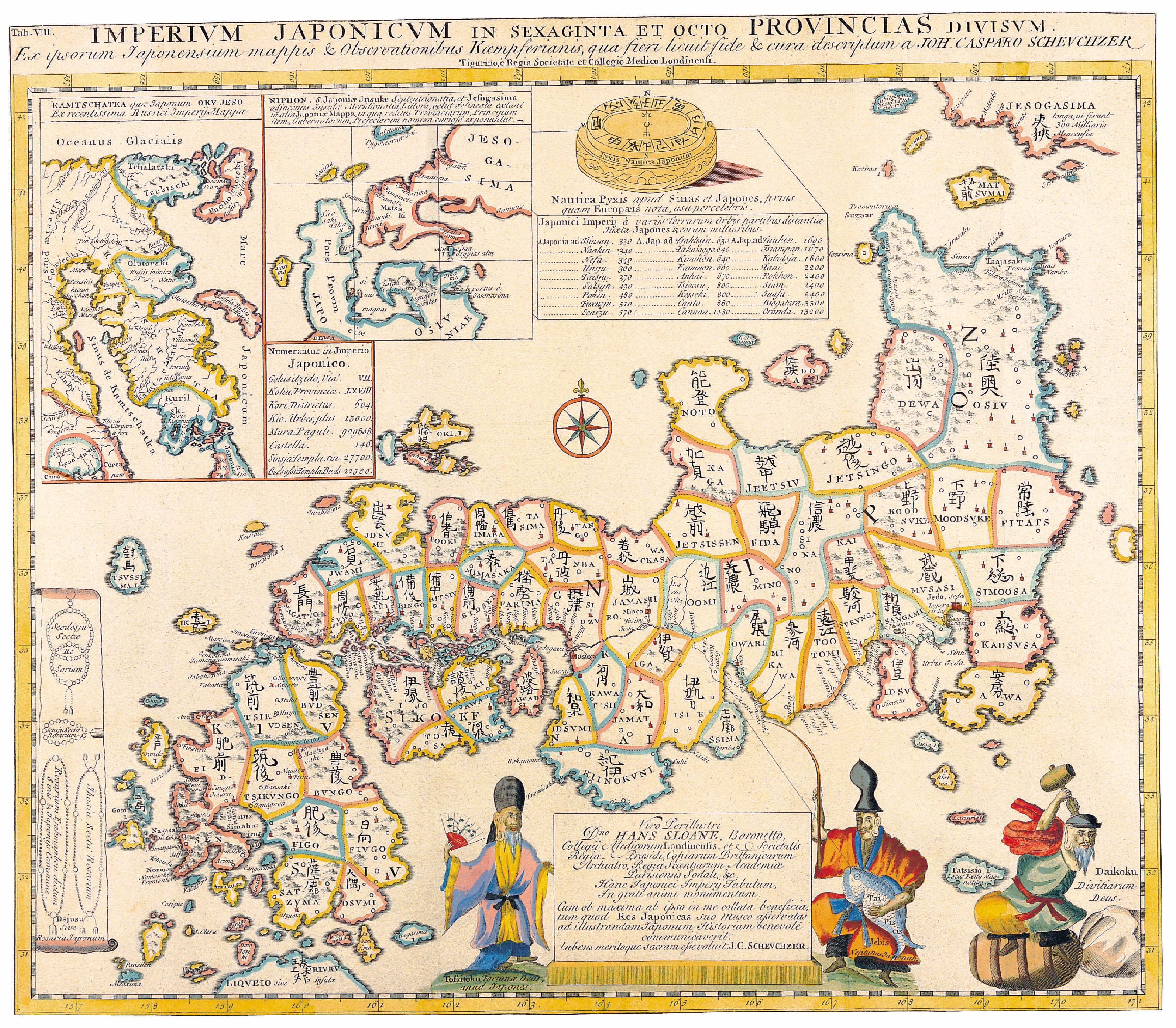
Okay, let's break down this 17th-century map of Japan (titled "Imperium Japonium in Sexaginta et Octo Provincias Divisum") through the lens of the requested theoretical frameworks. It's a rich image ripe for such analysis.
Please note: The depth of each section will vary based on how strongly the theoretical framework applies to the image. Some sections will be more substantial than others.
1. Visual Description
This is a large, hand-colored map of Japan, created in 1642 by Caspar Schentz. It depicts the archipelago as a long, curving landmass stretching from roughly north to south. The map style is typical of the period, employing a decorative, highly detailed approach.
- Cartography: The map attempts to be geographically accurate, but also includes visual embellishments. Coastlines are detailed, but inland areas are often filled with symbolic representations of mountains, forests, and cities. Rivers are prominently depicted.
- Cities & Towns: The map features a large number of named cities and towns (in Latin), each often represented by a small, stylized building. These towns are clustered along coastlines and river systems.
- Decorative Elements: The map is replete with decorative features. These include compass roses, ornate cartouches (decorative frames containing text), depictions of local flora and fauna (e.g., trees, animals), and small illustrations of people engaged in various activities (fishing, agriculture, trade). In the lower right corner, there's a depiction of several figures in traditional Japanese attire.
- Color & Style: The map employs a range of colors to delineate different geographical features. Green indicates forests, brown suggests mountains, and blue represents bodies of water. The style is vibrant and relatively ornate, characteristic of early modern cartography.
- Text & Labeling: The map is covered in Latin text, providing names of provinces, cities, and landmarks. It also includes various inscriptions and annotations.
2. Foucauldian Genealogical Discourse Analysis
This map is not simply a neutral representation of Japan; it's a discourse about Japan constructed within a specific historical context. A Foucauldian analysis focuses on the power/knowledge relationship embedded within its creation.
- Power to Name & Categorize: The act of mapping itself is an exercise of power. The map defines, categorizes, and names the landscape and its inhabitants. It imposes a European (specifically, a Western European) way of organizing and understanding Japan. The Latin labeling reinforces this imposition. The very division of Japan into sixty-eight provinces is an act of European construction, potentially ignoring existing Japanese administrative or cultural divisions.
- Disciplinary Power: The meticulous detail of the map, the effort to categorize and enumerate features, can be seen as a manifestation of disciplinary power. It aims to create a knowable, manageable object of study (Japan), allowing European powers to exert control through knowledge.
- Historical Contingency: This map isn't timeless. It's a product of the 17th century, a period of increasing European contact with Asia, driven by trade and colonial ambitions. The map reflects the European biases and interests of that era. The selection of what to depict (and what to omit) is not arbitrary but shaped by the prevailing discourses of the time.
- Genealogy of "Japan": The map contributes to the genealogy of the concept of "Japan" as a defined entity. Through the act of mapping and naming, the map constructs a specific image of Japan that is then circulated and perpetuated. This image may not correspond to the reality experienced by the Japanese themselves.
3. Critical Theory
A Critical Theory lens (drawing on thinkers like Adorno and Horkheimer) would examine how the map functions ideologically and perpetuates certain power structures.
- Commodification of Knowledge: The map isn’t created for purely scientific purposes, but for potential trade and colonial expansion. The knowledge contained within the map is commodified, becoming a tool to facilitate European economic and political interests in Japan.
- The "Other": The map subtly reinforces the European construction of Japan as "the Other." By portraying Japan through a European gaze, it emphasizes difference and reinforces European self-perception as the norm. The detailed rendering of the landscape and its inhabitants is a form of observation and classification that subtly positions Japan as an object of study and potential control.
- Enlightenment Rationality and Control: The map embodies the Enlightenment emphasis on rationality, order, and control. It attempts to impose a rational grid onto a complex and culturally different landscape, suggesting that Europe can understand and ultimately master the world through knowledge.
4. Marxist Conflict Theory
From a Marxist perspective, the map reflects the economic and political tensions between Europe and Japan during the 17th century.
- Resource Mapping & Economic Control: The map likely served as a tool for identifying potential resources (e.g., agricultural land, minerals) and trade routes. It would have been used by European merchants and colonial powers to assess the economic potential of Japan and to plan their commercial activities.
- Imperialist Gaze & Territorial Claims: While this map is not necessarily a direct act of colonial takeover, it foreshadows the potential for European imperial expansion in Japan. The detailed mapping of the territory, the enumeration of cities, and the emphasis on resources all suggest a desire to establish control and exploit the region.
- Class Relations & Power Dynamics: The map obscures the internal class relations and power dynamics within Japan. It presents a static and homogenous image of the country, ignoring the social and economic inequalities that existed within Japanese society.
5. Postmodernism
A Postmodern reading would challenge the idea of a single, objective truth about Japan.
- Deconstruction of Representation: Postmodernism would argue that the map is not a neutral representation of Japan, but a constructed image shaped by European perspectives, biases, and power relations. The map’s claims to accuracy are seen as illusory.
- The Simulacrum: The map becomes a “simulacrum” – a copy that has no original. The map’s representation of Japan becomes detached from the lived reality of the country, creating a self-referential system of signs and symbols.
- Fragmented Narrative: The map emphasizes fragmentation and discontinuity. It presents a fractured image of Japan, emphasizing its geographical diversity and cultural differences. This fragmented narrative challenges the idea of a unified, coherent national identity.
6. Queer Feminist Intersectional Analysis
This is the most challenging framework to apply directly to a map of this nature, as it doesn’t visually represent gender or sexuality. However, we can still examine how it silences or renders invisible marginalized groups.
- Absence of Indigenous Knowledge: The map, created by Europeans, privileges European cartographic traditions and knowledge systems. It ignores or marginalizes indigenous Japanese knowledge about the land, its resources, and its people. This erasure is a form of epistemic violence, as it denies the validity of non-European ways of knowing.
- Silencing of Women's Spaces: The map primarily depicts cities, towns, and administrative centers, which were typically controlled by men. It largely ignores the spaces where women lived and worked (e.g., homes, farms, workshops), effectively rendering their contributions invisible.
- Intersectional Erasure: The map’s focus on geographical and political boundaries obscures the complex social and economic inequalities that existed within Japan, particularly those based on gender, class, and ethnicity. It presents a monolithic image of Japanese society, ignoring the diverse experiences of different groups of people.
- Colonial Gaze & Gendered Power: The act of mapping itself can be seen as a manifestation of colonial power, and this power is often gendered. European mapmakers often imposed their own cultural norms and expectations onto the landscapes and people they mapped, reinforcing patriarchal structures and suppressing indigenous knowledge.
I hope this detailed analysis provides a multifaceted understanding of this intriguing map. Let me know if you'd like me to elaborate on any specific aspect or theoretical framework.
simple-description (llama3.2-vision)
This meme is an image of a map of the world with various countries and territories labeled in a playful, exaggerated way. The text at the top of the image reads "In 2-3 sentences, describe this meme for someone who cannot see it. Include any text that appears in the image." Below this, the text "In 2-3 sentences, describe this meme for someone who cannot see it. Include any text that appears in the image." is repeated, followed by the phrase "This is a map of the world with various countries and territories labeled in a playful, exaggerated way".
tesseract-ocr
ONITCVM IN SEXAGINTA ET OCTO PROVINCIAS VM. mT MPERIVM JAPONICYVM InN SExaAGInTa ET octTo PRO’ vik pia eS Da : : & = 2 Li . . : = : = ay A PRI ITA CR ( as A fi, J Liv psorun Fo YONI ULM Meafife w & Observationthus Me ani erusels, GUL flere lcul fide & cura L050 yelum @ SOM CASPAL ¥ Vf : Tigurino,e Regia Societate et Collegio Medico Londinenfi. 2 . = 5 SI 2 5 es 5 S Se Ss 3) 3 & tS Bs Ee Se ee HE] Ear cs ERE ary = ee — ee ee ey ee oe 7 a se eg st be a a a a ee) as = a et —— et reer ee pees ek xy 5 = ; | is ; | N, SJaponea Insule Secendrwornata, I) cfogasima 7: ff e a £ Es E KAMTSCHATKA gu Capgnian ORG JESO i aren Se Bie Ha EEE PELIL uaa alan’ HENGE Ss Qi anstoruitye : As & ¢JESOGASIMA | gal | | Fox recer hi SS FEUSTICL Tmpery Majyjee We ee ponte Mappa, ger Pedeldls PEOURCAL UR, LINC ULTR 4 Sea a OY yee a longi, ut ferdnee E 5 I t idem, Cuberniat MUM, LOS COLL ROMA. CULLOSE! CR JROTUIULT mm ce (ht z 0 “Ss @ahigse * 5 ae ‘ih aris el EB 7 ry = X ; OT ere iS 2% EB E S se (ites ZZ. a x 3 f= = RR ssheacenfia | I Oceanus Glacialis a i ESO) SRE Jwi2 a ae L Oe =, | a b ase “2S alé 2 E EB > Mes a [3 sy iY i} cS. Tas we = a ae — e 5 2 ey ae wey Y, = - a . ais Sis NH po Lee < = = | PE Mere, Tehalatskr on ei fe ¢ He 6 y Ta Gr y “Pate oe SS ye Kowinue ap * aoe L E o Y @ . ae go ORE | ae “| ge ay a A CO Za PAP Mat Je = as | gf Me tee Pe (8, eit . : ac “SAN SVMALE FE BE | oS y TmAAg ein Y | pH A hance pny Nautica Pyxis gee’ Sinas cf Japones, 7s > AN eae 5 E | LE Se < . Ep ap Co we Lira § At 4 | me ag 71st us wan Furopwris 20te, UL Per CelelT es . renin *_ | re = S Resear: ise pFered. i 5 —— * = “s SY eer . = = Sucaar 3 7 Ls | of © ae , are | pith ON = Japonici Imperly @ vavyrLerrarun Orbas paribus datantiae ss E : E | Ble s we } “eR a A a a gamely Jute Sapones & corum milliarttes. : se, A -w x | | [Bf pales iad) at ee sf Sia AI Len c= AJaponiaad Xian. 330 A.Jap.ad Lahey. 3oASapadvinken. 1600 oe. oe ae ee ol L | I ro oh A pa ary JF 2 By - (ud coceneee sansa TART BAO socscccceecne LARQIY GOGO crorinnss Teampant07o), i, eee Ege Se on. EB |B ie Jeske Pe 9 a tf ee — - cevessnssnsse NO BYO sscreccncen ee MUMIA E40 onsen MQCOEY@. 18.00 a gee IG Se oe alt ae & 4 gol) |Z Ei ee oe ] 7 i a ? #| 7 g Be Be LMI = BOD ae NIETO O00 exe LOI 2200 Ro oe re 2 Pee Ei ) <6 ve a Oe aan a Yr ow eB rl Thess ene 4 mevieeeeenees LUG BIO corscereernnns Mthal: 670...0...-..Rokhat. 2400 Bi 4, es: Tela 4 p= Mamba -f E Fic et me eo a ; : nl pe ee 7niis ha fe portus a ceveceeseseess SQUIYM ABO cceccveree TEOETM » BOO nn Sta. 2400 BS8 ge a Oe | |) | eterna ta i, GOES es 2 Bp Sy ipl | oaroncsima eect esse POR © 4$BO cocci Hesse. 800.2202. Sift. 24.00 Be. 4 Ne ae L E Bp | ee ae “Copa RS ene : 4, S a aaa! j ceccesetneeees FURUSfUL G10 reece even CANE — BBO. 200. Dig aMMI.5 5.00 a 2 OO 2 ee E a 2 amt : > 2. Se = ‘ ed 570.2 2 4 5 6 IBS 22 ree * hax. Be - S TRAP ari ff eL > oS “| . Cone =e |x oy wevtecaeeesses WORSZUL «GO Ls cncvene, ANNAN A480 0202010. ONAL. 132.00 a3. * S ec 0 a : I Fl oe pr ae ee DB ee Ch "S A ie a Gree o 4 Oe Li LE LO i Oo See J |} foewatian t © Osea ; eo 7 x i a 0 sot ee) Cee oN Ss Se ae pg be EL 2 3 l ee a A Phoned Os we” o> S|] Numerantur ez Jmperio ww X er ae ae oO sas i isd et E A ¢ Fut a » : sa OE Se Pe Ge ae: ‘ke Oat ae gee ae I H Es oruss < || Japonico. | = ee Sy Mae [ge eae! Sey ss I > ue es : = ree F BE aro sLy i ‘ge ae f= | ae % fw Teli B 2 | Gohesttzido, Uta’. vi G <— AG Of 2m28. 4 Gale ie yy Pee 6. Wee fe eB E OF 2 eee, = s Soe ] C E al. =E here ES ys Ba A “es Y= % ear Fe 1 gs 1 ph. |Aoke Province. LXVIL % 2 ge od go a aS Ee ae | H | ae % < e Beet OQ WWkoreDutictus. bog) 3 “Bago Eg 2 DEWA | s OSIV -o Se F | LPS & Lesh \ 8 os : ee 7 es JNOTO G8 Sey Pe mk : i SB] ES Retard Oe Pagar: A 5 Mie. Urban ples 15000) gt (far 3 oN ee EE 6 t 4, s@2 = i . Sp Udraare SER Oa Sy | = : coll =z < Srse E ED ms is Se EB Ac ““en “ee 8. i @ i POLS ra Pagale. GOg55N fee lito E 1h . = ee pane 2 Ee & o |S Fi Kn OR CRP ALN ewe’ “01 Boge a 6 mend beet RP Et tS LH | ey 33 . i ae | ee a \2 Seater a) eg a = © Ne Og Re E i a eet oe | SiasyaTempla Sie. 27 700N* EZ CR Rs ode ao “ ae | o kao _ 2 0 ese E Se 2 a 5 ‘ aa : c j= ae am 7 ka Wi 3 * ON 2. =e a ee Ee | | coe AS rats Pie oealiyfatenple Buds 225 8 0-) wae ee ~ ie io A jer sib Sages 7 me 34 - LK SES eo 8) 0 SS —— E 3 ’ a me oO a ice 2e E H fF : é x44 rend SO re a | ° Ss “] 3 =, fez 37 ae aE ee ET oe 3 a ey i 4 Be > 2 3 t 1e4] fo <Ss 1, Se Sh se oo oe Pk Sy } =o k Ke { 1 a SS Z FE PAL OC YE Pe, 2 | Biggie ella 2g @ | i = - = € al 4 : Fe OME; sata WB pe _ ay ri (oe : a S$ visERMOOD SY I FITATS gf iF | ie ea oun FE ID SV SS wee me takai at Go Wee ee eo x x i 1 Sr ee ae A oat t 2 ot a ee P| frie G en ee Se OO A eee ee i) # o SQJETSISSENQEIDA/? 5° of sj ea SS SSS: gu < 1 C ay nll Zo 41. pea ee ee ee. WAS aaa ie me Ao wath. kee ao ee 4 A |. £ oc ee a Aye Gre eat SS f POP meet ae CRASS ee me B® op ~ a te ak : ° g Sigg = iE f¢ BY ae Pye 7S oe eee F pit og NPA ER Pst Yo xo Ree Sr eS “i 4 fe 130 ft & ee IWAy ge eal 8 5 Who FH be | 7 Ory Eee a ~e a. en ex J, e ) i drsvssip — il we: OR 0 se Aa= “C4 a OF te oN She 27 } e La a fF r ES oh A za 0 Wee Hee | A OY eer Arte NT Be la ary Om? = ath + Z fe?! Bh} | Pecan, ee Ge Ee EN Be fe) ER Sele + eee aster) craroosa . 3 SEAL 3 Bree yh | ’ = 5 EBS 3 t aX ies ae : “Se. TJeda, : Ea “8 | | goon A i Fa* Hee Ake Myscofok 4 Fil, SeFAR UU 30 oe sf TAMAS CSOOMEG , fei "i CA te eer a) 2g | e 5 FF tte 2% Garr Oo PS Bea) . ha pte SIR SS ES TESESS | MiacoM [i fs® ) ~ wf er - «Gh ae Jt, ¥#F Ei vata a fix 5-15 ‘Chpretes 9 RANGES orl o. OF SS a SS ess & BRO vsinif WOR) = Bae’ — BA aN BisANGN Poitier, — = | anda CED _ CAB ee ag NE Aho peg Sit o aa TR | Be | 4 ee 8 ‘genie ELAS Ot nS EEE eg a JF 7S, llowant) 7d /100" aga yO G candvsaue se ee eed oe. 1, Ree =< CAF eRe, esa ay ae or gx Soe 2 MMT | rom Qs Sa Oe inal ee E i Tani RRO EEE BS Ge CRae L Se SO PRG Cee Ye ccy GAGA. 7s SR Bea Mee EES te 9 rte: rece. acer E F wee 7 =. eo aA —s Yo gee Rema Y Se NP ol, Se hE ie ge o . 3: of i Sek : = Soe. 8p BD } a i > ed Ong ee pa SPER o. Ceara IR FE i> Sone eo 4 f ue ee Ee 8g ‘ 0 ae B A, oe, a, ag @e* HA ay es Cae 27 caw | a a A ee See es = F a) i gp PH) oat, Feet ho Magee ee el 5 gee lle ghee” yrs on I 8 aa ss reg - @ilinyn Wee ee ee be 7 <4ue Ba £0 # E i= 28 ca Eo Onegai eo B i Fea GO Ar stk OME SEN Fee LK.9. g So a AMAT } 1ST Efe VG, Ss ae Ems fis 5 or = ee , eB G 3 jo i of : = G\ Shee - ae | este Om BK OL ee Eee Pie «= GN oo oy JB ENE Nee = ~ i | a fee o— - Es > ae Ba Re ee ae — ae eA 0. pa = + ro ae 4 = cs = Es ieee Of FUE ICs eeniinget LS eRe Clery ty \ GQ l | 4 a sf _ Ole Madice oe rf Oey a 7 -S i o 0 Se Oe Tee ae ai £ a L H) 2, aa 4). a aR Bsa ne 2 ae Mahajan Oa at. Bah \ és H | Ale SE eB I- 4 lial,” = 0. . Be oe 4 <t 7 & \ J = Bee st igus: ¢ \) tee se” a, D- f Pe ees oF Ge NS ae { : os Wiss i foi | eee CE ME cial f € eS INO . \ kg E BSA G2 Nil RR GE Moni En ik VNGOMeBYNGO CO Gilt \ pe \ : DB b= us | O86 : 2 i tee C eas “TS; gmt Ehanagava aS ee , = Be ae sf i \ XG et SE ®@ I Bcc £O 8:6 COO erie We <ciuse Rey > ee ae ae ( i 5 ZY lL ngs i ee Gnd ep + : ee pion’ RAY , 3) hive Feriblastre ai a G58 i | Nee ed. a ere a Eee 2 as AS ae LUE . " B ae ae lL HESS EE S |e Re rOm ee ye at ge fy ON es aa = ue HANS SLOANE, Garonctlo, — \¢ ke es = FE H HESS ES PAG senna ake ag VE Tey oa ; eer Collegd ge deals cl © Joctetals | i Ne es Ui i IB ORE iS ee, Py h" if He he. 9. 0a j . FW ey ae Brgstdl, fart BAN CALUNE ae Poa rg = ‘ ny . BOs S526 Nom Sine PP tang tig? ° Sore ne OR - = yee did i Arduatro, Segied enlarge Maden Nagi ge: fT Ee Treatcicic Oo a aI POW Dailioln E_| 32 esa PINE patel ee A ete Ie A ce ive Meh if jit , Latinenss Sodale, 8, =o acd Wo Wociar Feily Mage fh gee Piece Hl eS RY 8 i ae eae Gana eS} Ee) et Se fe) ofa Vk eg | Marc Saponuce Impery Satiulam, ee Me lg ——£T Divitiarum ¥ eS SP YS? eS ESAT ey oe a cen IR GLAU QIUINE MONUINEIUMUNL. 2 es Oy, Cag F Pe Spe Co Se zyMax €fosvoht § f rca Se : : go. SS ae Ca Detis - | A Ee “wngee “= 4 Ms one We SRR Ginvel maximaal yso ime collata bepeficia,| SF fe st See Et “GDsjusw\ Ge Se CO PA GF aca | hr , eee Res Japonicas vuo /?usco Giguere, CB eed ee eer ee, «(OE i ea a Ie Oe cern ese ee ge SO ee He \) jad lustrandamdapontum Sasoriane henewole \ Gee: ae eke f ~- || osiar eae Faqs a rece. om 3 F ee “ Be, i’ cose jh eae : COTRTUCALEH UL iE Ae : os (fo er Re ge NE ed ; @, eS ee . ae 4 | Cedens mertogiute Sacai epevoluls.C -SCHEVCHZER.| © ie = | gee See @ | 2 es oe ’ Ae Rey = : ee “GE aan | wa ese | , nee, Zotee ie SR set = g San ace mn) AB ARUN A an RE 2 mee a i . cS ig E ES go ae geet oe LA See) | MEkeana EF FEOVEIO vice FE Yle OAT Te a a a SUS = I u : 3 » oils Li LLB AER 55 Ie EMBEDS 5 IR Satie ali Seeks ae, SERDAR SON ERIS E.R oe > SS oie v3 a a oe — rc ay | ee ee a a J = = re [feet I ST) ae ee a ~ [tea CI a] [_ a a 7 I CT [| - =: — ey Caen