First Seen
2015-12-18T09:30:09+00:00
simple-description (llama3.2-vision_11b)
The meme appears to be a humorous illustration of a 17th-century world map with various cartographic errors and absurdities. The image shows a map with fantastical creatures, mythical lands, and fictional geography, highlighting the limitations of 17th-century cartography. The text at the top of the map reads "The World in Four Parts" and "A New and Accurate Map of the World", with the bottom left corner featuring a warning: "To the Right Honourable the Lovers of the World, this Map is most humbly Dedicated."
detailed-analysis (gemma3-27b-vision)
Okay, here's a breakdown of the image, a 17th-century map of the Americas, analyzed through the lenses you've requested. I'll attempt to apply the relevant frameworks where they're demonstrably present and skip those that are less applicable. I'll provide a substantial analysis for those lenses that 'fit' the image.
1. Visual Description
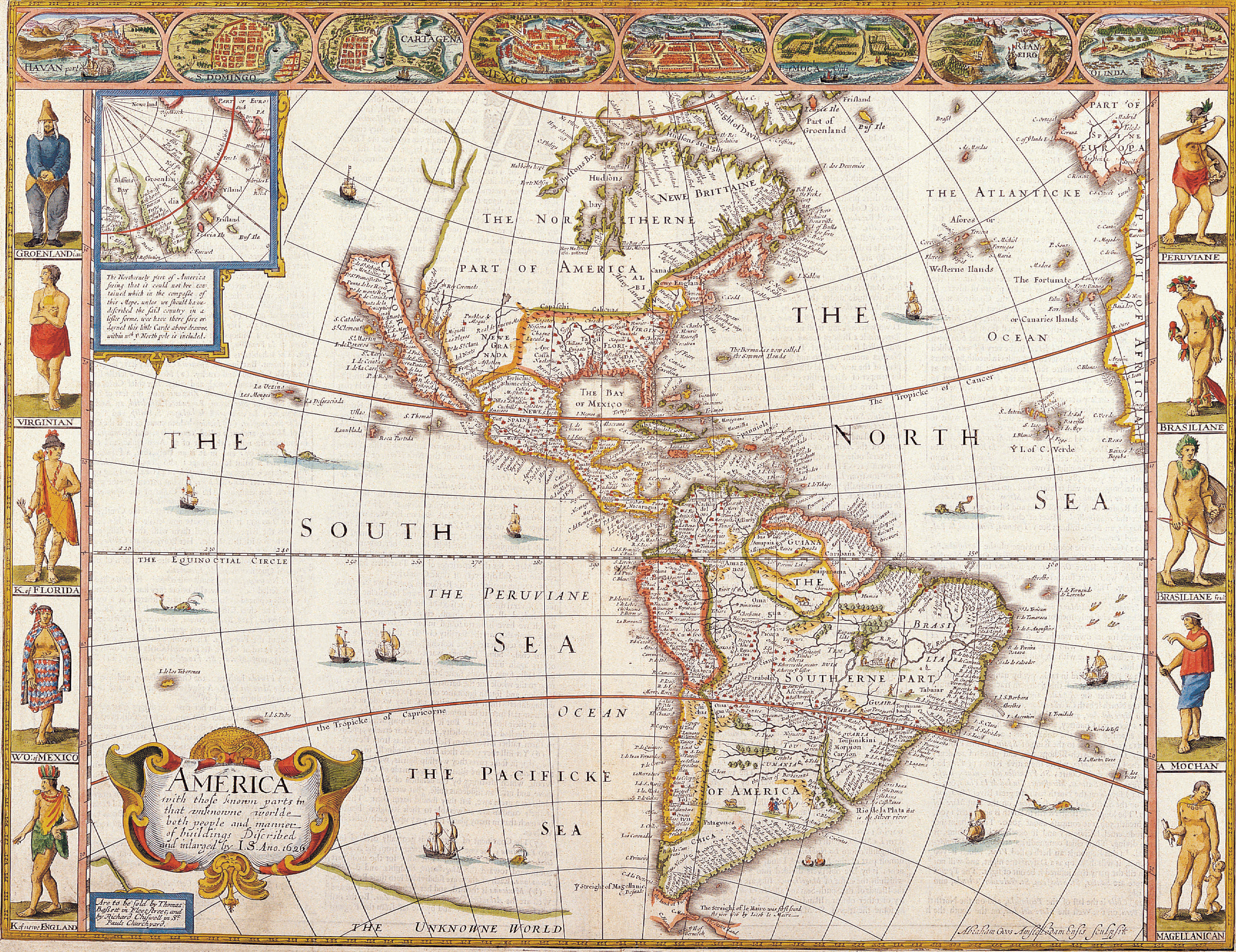
The image is a hand-colored engraving of a map of the Americas, likely dating to the early 17th century (dated 1619). It’s a classic example of early modern cartography. The map is richly decorated with illustrations in the corners depicting indigenous people in stereotypical, exoticized, and often semi-nude clothing. The overall aesthetic is ornate and ornate, a combination of geographic depiction and decorative artistry.
- Geography: The continents of North and South America are depicted, but with significant inaccuracies compared to modern maps. The extent of knowledge about the interior of the continents is limited; coastlines are relatively well-defined, but internal regions are often filled with mythical creatures, vague illustrations of forests, and large blank spaces. The Pacific Ocean is relatively well-defined, but the Arctic region appears vastly exaggerated.
- Cartographic Style: The map uses a highly decorative style. Compass roses, mythical sea monsters, and elaborate title cartouches add a visual richness that emphasizes the map's aesthetic value as much as its practical function. The use of hatching and cross-hatching creates a sense of texture and depth. The lettering is calligraphic, adding to the overall artistic quality.
- Illustrations: The images of indigenous people are significant. They’re posed as static, idealized figures, representing (and reinforcing) European perceptions of native populations. Their clothing and adornment are often highly stylized and likely do not accurately reflect the diversity of indigenous cultures.
2. Foucauldian Genealogical Discourse Analysis
This map is a prime example for a Foucauldian analysis. The map is not a neutral representation of geography; it is a discourse that constructs and reinforces particular power/knowledge relations.
- Power/Knowledge: The map embodies the power of European explorers and cartographers to define the Americas. The act of mapping is inherently an act of control. The map doesn't simply show what is there; it creates the perception of the Americas through a European gaze. The very act of naming places, drawing boundaries, and classifying regions establishes a European framework of understanding and control.
- Discursive Practices: The map's representational choices—the emphasis on coastlines, the depiction of vast empty spaces, the stylized representations of indigenous people—are all discursive practices that shape how the Americas are understood. These choices are not arbitrary; they reflect the interests and assumptions of the mapmakers and their patrons.
- Genealogy: To trace the genealogy of this map, we would need to examine the historical conditions that gave rise to it. This would include the history of European exploration, colonialism, the development of cartographic techniques, and the prevailing ideologies of the time. The map is not a singular event; it is the product of a long historical process. The map performs power by constituting knowledge, by enacting what is known and what is deemed significant.
- Othering: The depiction of indigenous people as exotic, semi-nude figures is a clear example of othering. This practice reinforces European superiority and justifies colonial domination. It reduces complex cultures to simplistic stereotypes, denying them agency and humanity.
3. Critical Theory
This map is particularly suited to a Critical Theory analysis that emphasizes ideology, domination, and the construction of reality.
- Ideology: The map embodies a particular ideology—namely, European colonialism and its justification. It presents a worldview in which Europe is the center of the world, and the Americas are objects of exploration, conquest, and exploitation. The map is not simply a description of reality; it is a representation of a specific set of beliefs and values.
- Domination: The map is a tool of domination. It is used to assert European control over the Americas, both physically and symbolically. The act of mapping is an act of claiming ownership, defining boundaries, and imposing a European framework of understanding.
- Construction of Reality: The map demonstrates how reality is not objective but socially constructed. The Americas are not inherently defined by the boundaries and names that appear on the map; these are products of European imagination and power. The map creates a representation of the Americas that serves particular interests.
- Hegemony: The map’s circulation and acceptance in European societies contribute to the establishment of hegemony. It reinforces the belief that European dominance is natural and justified.
4. Marxist Conflict Theory
This map is deeply entangled with themes of economic exploitation and class conflict.
- Resource Extraction: The map implicitly signals the Americas as a source of resources (gold, silver, land, labor) for European powers. The detailed depiction of coastlines suggests a focus on establishing trade routes and exploiting colonial resources.
- Colonial Labor: The map’s lack of detailed depiction of indigenous populations within the interior, coupled with the presence of illustrations in the corners, can be read as an erasure of their labor and a focus on the potential for exploiting their lands and resources. The map anticipates the establishment of a colonial labor system.
- Imperial Competition: The map can be viewed as a product of imperial competition between European powers. The detailed depiction of colonies and trade routes reflects the struggle for economic dominance.
- Class Relations: The map reinforces the existing class relations in Europe. The mapmakers and patrons are members of the ruling class, and the map serves their interests. The map’s representation of the Americas is shaped by their desire for wealth and power.
5. Postmodernism
While not as overtly as some texts, the map can be analyzed through a postmodern lens focused on the instability of representation and the rejection of grand narratives.
- Unreliable Narratives: The map presents a narrative of discovery and exploration, but this narrative is inherently biased and incomplete. The map’s inaccuracies and omissions reveal the limitations of European knowledge and the subjectivity of representation.
- Fragmentation: The map’s fragmented and incomplete depiction of the Americas can be seen as a reflection of the postmodern condition. The map does not offer a unified or coherent picture of reality; it presents a patchwork of images and information.
- Deconstruction: A deconstructive reading of the map would focus on the internal contradictions and ambiguities. The map’s attempt to impose order on a chaotic reality is ultimately self-defeating.
- Rejection of Metanarratives: The map, implicitly, supports the idea of European ‘superiority’ and the right to claim land. This grand narrative can be questioned and deconstructed.
6. Queer Feminist Intersectional Analysis
This analysis is the most challenging to apply directly, as the map doesn't explicitly address gender or sexuality. However, it's possible to make connections through the lens of colonial violence and the erasure of indigenous knowledge systems, which disproportionately impacted women and non-binary individuals.
- Colonial Violence and Gendered Impacts: The map represents the beginnings of a colonial system that was profoundly violent and exploitative. Colonial violence has always been gendered, and indigenous women were particularly vulnerable to sexual assault, forced labor, and the disruption of their traditional roles.
- Erasure of Indigenous Knowledge: The map's focus on European exploration and naming effectively erases the existing indigenous knowledge systems, including those related to land management, healing, and social organization. This erasure has disproportionately impacted indigenous women, who often hold vital roles in preserving and transmitting traditional knowledge.
- Intersectionality: The map’s representation of the Americas reflects the intersection of multiple forms of oppression—colonialism, patriarchy, and racialization. These forms of oppression are interconnected and reinforce each other.
I hope this detailed analysis is helpful! Let me know if you’d like me to elaborate on any particular point or explore a different theoretical framework.
simple-description (llama3.2-vision)
This meme is a humorous illustration of the world map from 1690, which is often used to poke fun at the outdated and inaccurate representations of the world from the past. The meme features a map of the world with the Americas, Africa, and Asia, but with several notable errors and omissions, such as a "Sea of Monsters" and a "Sea of Whales" in the Atlantic Ocean. The text in the image reads "You are here" with a small arrow pointing to a spot on the map labeled "England", but the map actually says "Brittania" and has a note saying "Brittania is the largest and best of all the English".
tesseract-ocr
(SSE Smee ei een cee em i ec tt cc len ee 7 Se —S ES eee ee ee oss ee es 8 SSS SS Ee eee FP — aa AEE SS aay eo ee a eae ee ee SESS SEE frm = Pil FS ar NTS a eee Ge”, A a. SOR a ee ASS EEE ae: aaa ee or (onal e ee) ee j Se Laas BEA, nF ee aN NY age, eS NY Uae Ee ON fee EWC ES WW a Nf FN li Drege teres (2 pees (28 te S| Bee ay i ARTA GEGA Aone: fed eee Naz YE SV Ae ames WY (6 ee er Bb Ged \ W Leap anne an, [EN TN | epee Bete (=e Ss ats NT fae \ ae fence ef ey AGEN Eee ens Sgt Ne : \ ee ae ae SS BF asco tf Vien Nt" | ea aN Se oe a a i By eS ey MO es le BA ee Aen ped — oe] Vie ES Ea leets SS el fs SEEN usch) | Raced mnie (Ui anaes, 7 tee NUE Phe RO Nee ie SOO a eet ee | Te ie | os We aoe eee tS), Aelenase ae Zo) Gat i ee oe) (A eee ay Na ey Ae Sh ee el ee: INEEAAN ou Bie == Nes Wise Sp STS AS Ua Se eee) A Nee OS eg) A pe iy 4 Oe ee AE ere Ne a ees) [ae Ce eNGG oe A ey A ee SS A ee ee A Mie ee 1g dy Ca ee =| TEN Eee ees ala REET a a vee PE acs, “SLL EE LET Mi Oe ae ee th a er ee Citgo ee ay A SOLINDAS feces ee SON SLO a ae ead a ore eR Nc oa) ID geeR SR EE, 5 gee em nn aE SSeS See ee ee” a a ee AD Rec Se AN th [aaa PTE TET age ge SE gE a ee aS ee er ee Pe Smee ee en, Pi Re ee ee a ee ae i] 1% ee ar | - S/ a 4 Sats, ES a EAA ERE Orgies See OOS ABS AES Lo SSIS Re ESS | FE iV id Sy oy Heme Hw Pee ie | oe eZ ete Fax c BEE fi cad Bae : Ze : iB = l i : ASS PRS oa Ze Pale ise Be gh WON Pee. we ’ ZRePart “oF Y A H H te nG > og Dy SSS he A Gy eas. é ye tue 4/4 ZB i hes * el) x ap ay, NA ag eee Pat of 2 Brg Cong gO Gofal Y Ay |h ee y S i, ae TTY . He gece ay 2, | Bc Me i Ei te ear oft Z 5 , 4 og KM ii LAY) hb Pete ag de eo, FGroenland buf Te ZA Js Teloto PB A\\| : j | Y = pee ae Ail Re: 2p, ye Y gr is : j \ | ay 3 toa ton AE WN Z Si | NY Ba. 1, | Be Canal p Lag Fas ee Ching _\ cp tlente cL ise lag i N Sa" gel feet hy, a 4 ss ae aai\ep = WE thy os ; Le tegilas FE Daf it pale 8 i ie BN Pho f/f LS He a? KAR # BESS E. m | | yey. Nes N f\ BN eye ew \ a 3 fhe pe tay hil Ie a RT Vt QF re Destomise = 2 Rachid ft = eae |, i {9} ey Ng | Bins << Co Hf bries F| Bi % x x ore Hud | eee ane ere gh ae 5 es el Ab aa taal A i 4 ny | Pty Foyt OO an Binana/ 25h oa ml ‘re NONf NS ail ae |e i R= ‘Re eae Se a i ey I ie 7 . tis 1. GALS, | Kel? yy (aN al age pT TE he EN Big tle “Ze” RN = Bl ape BY | a\ Sahai \ dia eS wh. i ase Ee News) BRITE Se pg erike THE\ ATLAWTNCG KE “tne poh i H sBilae NACPetec\ — aon: EN ok oN ¢ ' y bay | ee = VS 3 age ae “By ‘ HP | eas eee 4 > aN # >) Pace 20 se ey Dh og Tire WS Res Sais mea land ; z RIT ne 1 (5 hice ZA || A ‘4 H J r ee ei, ete < SF 7 No S Attoe l HERN oNE We en? NELAL Roce A ore NeGe ; A I ‘gy H Ste a sae ee ee eee 17 | i if os We as 0 Ss! oy Bille &, wars A) | | = gy oes es Be Be pe eed Buf ile | = is 2S ea a 2.6, are peN ©. canta i | i ey —— | [ky o MA ag \ « 7 Seed les Pita of 3 ae seo pan Fal ete tcl tied || oo gore oes BIGROENLAND cog Befiagpleigse NO L| SS a fertelineh gemenee tre pe eae ah eee, ie Pa Firvijae Bsmt 2) > \ke re Ee " pilaeiss es em Sy: sz aH f, A 2 eS Na Ig Jeet CMe ae Gin, SE a EN é as -, BS 4 4 i aoe i a EEE a [Jen OF Z IN : Gi Pras iar & 23 eK Freee a Nara zz a IP | ia H = ———— = FO liegt, Ee ce aN Sy Sees Meine ag, 3 z Ly i H =a HY The Novthernely plese of fuerser BF is Pry ete Sy § JV + OF MEI ie A sung ee, a a sae f A Welterne Hands Modine Ee ZB a ] i :.: i fring that tt could aot bre com VY MaPenns Lp OS fe Sin Gueae gfove Engiande eee aad The Fortunate —“" BEF mB ; { { ai, Wy tained which sie the compafie of Biafra (aE Le | Pgh Greene Wee ale t eS ich ON BS, i | Ae Hi this «ape. untee we fhoull have. SS ee fo "es gee ay Mince cu Vs, ; BRAC Bs .. |] i i WET LG speeded the fait conuty in Safe ef tS eecipbilii fallsne a eh Ce A (ate ANON eX Y Eee i H ae BZ fier forme, wee have there fore or 6 Catalin ae Bah ee =“) Prechhae be Cf - Ean Se Se ee, | aorion 3 inn, EBarator i tH <2 i ible es PP Nae ay Me, BS Ney ite Pe SN ee = ee =: 4 > aS n ram. |) i z ii haved the title Carte above drswene, | Shem cu eG Anh . 7 oo feet eon ioe rectal erie Se =e, he La Canaries Ilands * 2) _ ae ey se { Is) A withie we V North pole os snchided a tN emteerg aii Ree Pe Chspud aE wR ONS agp Henrie [et A. 0285 3 ‘ iit 44 A Star hin, Phe Set A, srl NSE WE recite i aH Ne oe Reni ZN | i) ey Ad t oS f (a . Sh tarp age nap SBE get? me Play Gicyetane. gee 2 TheBirmades aves called ee Pa ese | A ws a aa ake Cotithe ga Tor Sota Ag NADA BR Col] See apes Reo whale Oe GEE Ssameh Thad — A 7 yy 4 i] (a H wy a Tides Caf eo mag tee ei ver tte i He ENS EN I So SANG he, pee Le Bates v TET ) = hea Car EPS Je lee Ded. Ae EO SE a ae, EMERY 8 ea ERG ae =—S “plu ame 4 Das H “Uy { — Pflisyns Bag a Peat eee Terlichice 21% Ru ge a Ble ae | Be | La Verh Sei EN Mat hie whimech Campa |e SP i= SNe == Se 1 8 ‘ Hie a | Les Menges = i SERGE alba 2 wu pial * Fae Tue | Bay — eee Se hes : eee =! : “Zs H is) i 5. HE Sees E| ~ =| ag Bae Mem Sih ihe pe Sich a ee en < = ot A B pan Notte ea ee el hil illien ict OF Mexico Se Bel eee ee etre eget ets! a > te aN NI IRGINT AN) i rion NEE sree gl _ TO Le sno laeee E Ang eae HIROTA | ee ee ee ya a cae ae anagem Stet OD ilsil, cterds aol | (ic Fj a — Seu Stee ichig Fike = Licrans i eee He! WT Gee by EE itl te > Say l aN | Ae. ae bic — Ewe gee a & Me =u ihe ioe at iN] S hehe S pele = 2 Lye IBRASILIANE | " f BR cez, H 2 wie SS ee er eee il Myth \ N i PENT | von ee | i i f vy | ¥ SS cs. Se oon Gee aia 8 tens Tai fal sp RL, ee Ses we ©. Rexe el | i h4 HH ne eae EO Ee a a re AIOE oe aay iat ¥ Lof C.\erde Bates AE re 4 A F Ge ea a ta ree necfeererr eL ENS ce mmm Boul s: | } ALL Sale Sy ea ete ae SS 8 ESS sig eas 2 Te NR aN J ON F Smee ® Becca, eg eae mea H i |f oN fl 5 : MSS MES NNO guint perineal a i i i || Hal é oO? aie reuna® SR ee As ee er Be ee ef I Tikage | A Z| ms | Hl Md \ | : Sy Oe ar See ee F gai Ai A FT ap t ae iinet ea) e Eesti a Ee ae | alate 9 E A 1 me call r x I “8 é En Peace aap ge _ Mert BS SES epee essa ea e = 3 1. H : ay wa yer aetna LS Ss ene Oe es, tt eB = 5 eel | Vaal S O i gt ey Md Ra fet CE SRG iat is ete Ute ae ee Boat (eal) B H | OSPR ge SS Ce eee. i ~& coll f S ol ee2 2 0. 240 : a Rigas ii aot tt TP GE Pasnapaia SG UIANIN fa 400 | ISS x ty i oF er Cs Foun eg erg eT ONE iat tics geecnts P| aN le Fl a hea Hi pn re er ere roe = ms ge tea, eile vine oe Oo Pepe P he Ade de Bi | A _ eh ra le THE EQUINOCTIAL CIRCLE a Se} axe t egiaiaga eel en Se iva WE sal ora H i | ia et ‘ : zs ae cs S| 8 Gi hatgee | cn ee Daeg AEN Mint | ae el... alo Be i eaes == =| B s Sah El chat et Ptep as nes, e < . i SEF SRS wee soo To j MI yl ee F 2 REF chant Ea a, alge) o> BES, \ ee a RR eee g H | | 7. \ 4 | Eger 1) : CBee tae Egle ld So] ¥ es Ge] RRBs eS i ees apt frolhe L] eg: Sy eee | [jScELOR IS : esl ee ae ah so AT HE Suche aera ae BAS See \ = “8 ‘ 7 SE FE ON erm RE oY th AS Chirmos ME NOW S Hid’ Bees (Ss Se] SSs a Oo ai B SS aoa a Cf THE ERUVIIANE | rite etry are aie GIO Crtens SP Pet AE NS ae we hee | nl H TS oH aired 5 ; Teicher errs: Atel mie a BP ac \ ANE Re SRS ESS = & ¥ (BRASILTANE faut | | Wy [ile eee eM Vira dn pect’ UR a SSN 8 JOE cern # oe 4 is im | ji a Boren eal TS aerate ot Rin aie = es = : Leas B ay 23 Cs Ara Pole Timerecs Le pee H | 2 i HH oS et s ames Jae) te She eee ae ml ae BRAS IF Te i MS so tye xo i ¥ | ake ; i) icon eae vo a SG As elt : | eo AS | ee S El A | MeAC eg \ Ma ala | Whe : te Gti, A a ple ah LI S ee. H | Wey i ea i | ORES : fr SE EARS) tach Sf ee Tye, A re 8 ee eee : J ; H| oad ha H | ee | EN er ER oe ine Pee es | SOD ue. ae ‘ Ls ea » ete ta | (| Sdelos Teh ; see Ss eel ert {OC iw sche sccbervster BUT ff ER |S EIA Bk Cima BRL advodor Dy EB i t | Wee! fa |e ee lamin REVI, SO Sst he ff aeatatedfo 0b ia Vee. H Hl iene’ | | = i ace eal SOUTHVERNE PART aye Gg ih |< ee | Bees |e ea A Sore ad NAR calinn gS Taber ene ee | 4H F H BO |B a ot in EY I NE LEN Menlo oh UP Rl Tbsiar 1 Wi { H ape {] = ; i ee NS afte oe yf : BL gerd Ae re S. Barbers t y | > 2s —— [Pie Soy Oma pa ee od ei tf >i A y J a pee SS Ae OC EVAN chee AGI el Seer Poe ion Taig et ee ithe : H ae H HI coed fl Pomme if | LF at SS sie Es cope ye Be, D i decrnion ped Tetbete We > i Eee, ees { LEE as ——— Poppe Salted ) BOS ee NN ae tag eT EL atic? Se etn, vu Co ay | i) (sleep aes ae oR Figo ME BBW ec gecin ed CR ial or fi ae le j Hy iiiceceeseemeny hf KE LEE | eee : r SEW: Toupinikind 2 eee, ting = HY [acs of eee | B — = | (‘Ss Fi [J DY inv ps met <2 A TES _ yj} Tele Iean Ferme Oe gTPihe - 3 INS Carfion 9S Mind ae = : =. rs PS lH | Ses BSA we EF LN , | =A 2 it Aiea eRe : eo hire PME Plasen | ELMarbs teze peg alee aa i dat d ee — Ns [N= a) i LaKerrs her ae Seat Se I ot ta = = R fA MOCHAN |! 7 @ 2 t —— iS f RR I( AZ << K oF ee cry TA price freee ING aes i : : a I} tt i Fen | uw s Gi i eT sot MT DS ATR, EEN OP hace : se Pe H 7; \ | aS | <avith thofe Anoron parts fie VEZ z ae ts tiara POF MERI CARO. Se e| piece | Le ' P ae 7 = f TE ab Rb Gasiaege Tals fe a FER NS eile hie E Se sR DN SR Se Selig oat ha AS foi, 3 oo i j Y Bud that wih 3 Ne Mies : : Solis a A ‘Ah y ee St fe copies > . u oe | l f. | A ae erie CECE EL tde— Ue Cine Ge RR er ft ea b MS etfs Rio Mela Plata dat f EEG ns HO ee Ht Pr i», = {| NS both eee, fe apd, manier_ 72 Bi abies ivi 2 é Ses nef | Meni te she Silver river ih rT toe yy | ) fee Y : S Teh “E: ae Z ] hey Te efi eagbiirmgPeagencs 2a i nee ; nes i Veal’ Sa ZA eS x eribed. Z j Re A Led vonnad, ei Bt ee [are ee) eee 1 5 A ; e) tI bates ( \ Nad ilar, ed by LSA Cie Ni x arent Cp an eee 5 eee os iS oe Ae) Beg “i H i oe oll Nae wilaiged, byl. Ano. 16 260g ip Al) apo ie pee fee ee lr] Shz 4 R ye “s ae , fa R eg Eat N Snell fete eB x See N Se , r j Fo Re Ne es Zi Ai, SS E Zo ee sc ‘ nl b Ree eee = $ : S| aad lt i j iN a 2 Ces Se Am Se ae errnctl Bak oo! Perales Qe A | hye 1) IP ' 1 { a —, Ji = ae Ystreigh| of Mag lan oe SSB ee i Res: H | J gs H = (25 sey | ire 10 be fold by Thomas: =) ; Se “See ; l | 7 (3 i Hl cael) qi Peete tee Bec == = ; Ye) Ee The stretch of le tsice war fb flfaal Ne i Jone H ee oie ocse eae BN a tener fi8 by Becok be Marte He less? del Aes Lil | HK fucioc ENGLAND) He z Y i i, = ee be fr E | cea Sa ——————— oe IE ORE D| = <S =a 3 2 Ne ' aa a I : LK IMA IC i SS io = re —— Se a 1