First Seen
2015-12-18T09:30:09+00:00
simple-description (llama3.2-vision_11b)
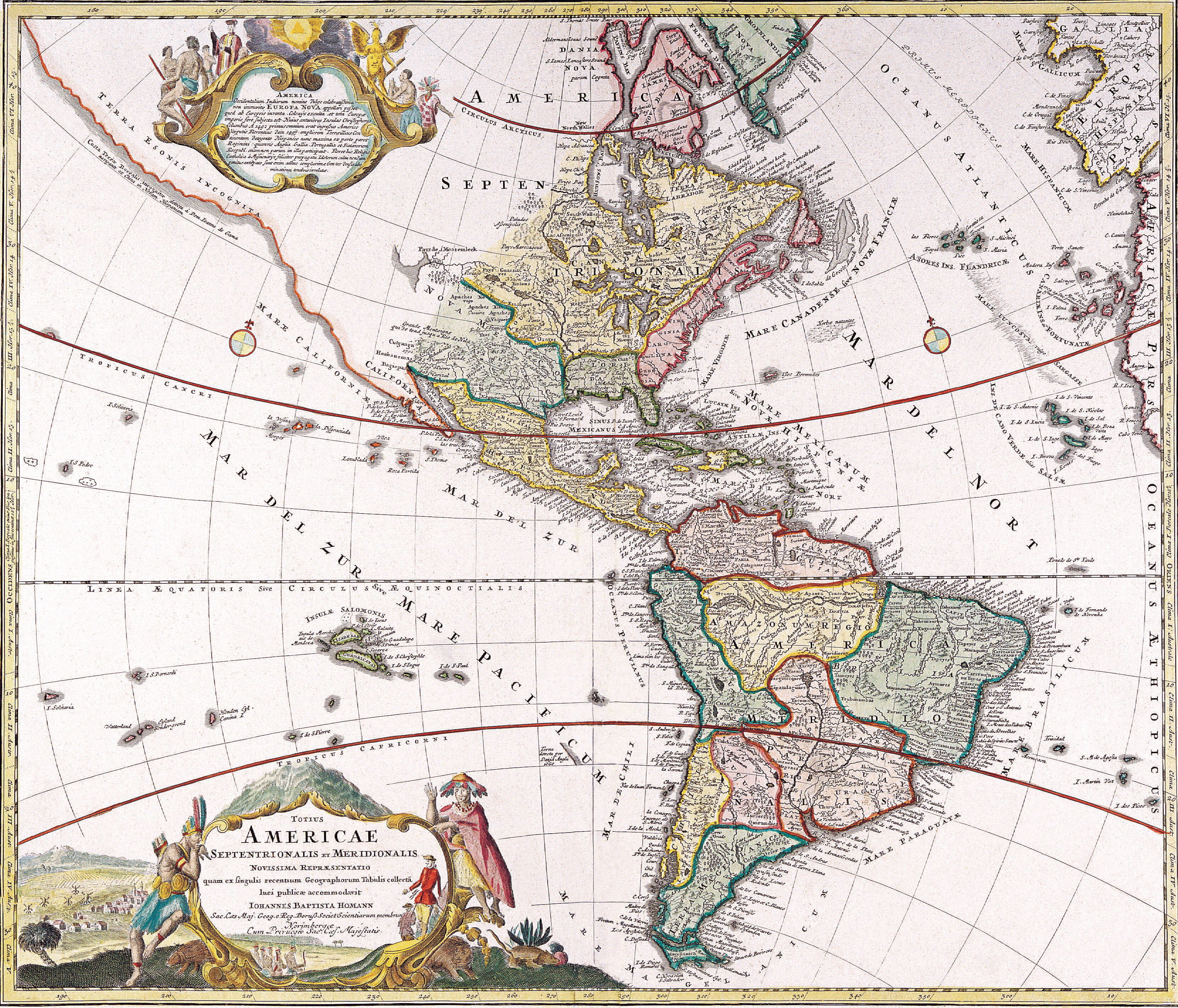
The meme is a humorous image of an old map of the world, specifically a 17th-century map of the Americas. The map is labeled "Novae et Nova" (New and New), but it's actually a map of South America and the Caribbean, not North America. The text at the top of the map reads "Novae et Nova" but it's actually a map of South America and the Caribbean, not North America.
detailed-analysis (gemma3-27b-vision)
Okay, let's break down this fascinating map, applying the lenses you requested. It's a richly layered image, and each theoretical approach will reveal different facets of its meaning.
Visual Description
The image is a hand-colored antique map titled "America Septentrionalis et Meridionalis" (Northern and Southern America) created by Johannes van Keulen in 1702. It's a world map, focused on the Americas, showing a perspective distinctly different from modern cartography.
- Style & Technique: The map is beautifully detailed and rendered in a Baroque style. Elaborate cartouches (decorative frames) are present, particularly at the top and bottom, filled with allegorical figures and text. This aesthetic emphasizes decoration and artistic flourish over purely functional representation.
- Cartography: The Americas are relatively well-defined, but with many inaccuracies and gaps in knowledge, as you would expect from that time. The Pacific Ocean is not completely depicted. Coastlines are detailed, but interior areas often show generalized features or are simply left blank. Mountains are represented with typical 17th/18th-century stylized depictions.
- Coloring: The map is hand-colored, likely using watercolor or similar techniques. Colors are applied to differentiate countries, bodies of water, and topographic features.
- Labels & Text: The map is covered in text, mostly in Latin, denoting place names, geographical features, and occasionally short descriptive notes. The lettering is ornate and elegant.
- Overall Impression: This isn’t a map designed simply for practical navigation. It's a statement of knowledge, a work of art, and a reflection of the worldview of its creator and the era. The presence of allegorical figures and elaborate decoration suggests that it was intended for display as much as for use.
Foucauldian Genealogical Discourse Analysis
Michel Foucault’s genealogical method analyzes how knowledge and power are intertwined, and how "truths" are constructed through historical discourses. Examining this map through a Foucauldian lens reveals how it participated in the creation and legitimization of specific power relations.
- Discourse of Exploration & Colonization: The map embodies the discourse of European exploration and colonization. The very act of mapping is an act of claiming territory and asserting dominance. By meticulously documenting coastlines and labeling lands, European powers were visually enacting their claim over these territories.
- Knowledge as Power: The map demonstrates how knowledge is not neutral, but always connected to power. The knowledge represented on the map (or, more accurately, the knowledge selected for representation) shaped European understanding of the Americas. This selective knowledge, in turn, justified colonial expansion and exploitation. The absence of detailed indigenous knowledge and representation is telling.
- The ‘Gaze’ & Subject Formation: The map represents a distinctly European "gaze" upon the Americas. It constructs the Americas as objects to be surveyed, categorized, and possessed. This gaze, in turn, helps to construct the identities of both the European colonizers (as the active subjects of knowledge) and the indigenous populations (as passive objects of observation).
- Shifting Genealogies: The map isn't a static truth; it represents a particular moment in the genealogy of knowledge about the Americas. It builds upon earlier maps and understandings, but also lays the groundwork for later, more accurate (and often more exploitative) representations.
Critical Theory
Critical Theory, originating with the Frankfurt School, seeks to analyze power structures and challenge dominant ideologies. Applying it to the map reveals its role in perpetuating systems of oppression.
- Ideology & Representation: The map isn’t just a “neutral” representation of reality. It’s heavily laden with ideological assumptions. The emphasis on European place names and the general lack of recognition of Indigenous territories or cultures reinforces a Eurocentric worldview.
- The ‘Other’ & Orientalism: The Americas, from a European perspective, are constructed as the “Other”—a land that is exotic, unknown, and in need of “civilizing.” This construction aligns with Edward Said’s concept of Orientalism, whereby Western powers create and perpetuate stereotypes about non-Western cultures to justify domination.
- Instrumental Rationality: The map’s focus on mapping, categorizing, and claiming territory reflects a form of instrumental rationality—a focus on efficiency and control that prioritizes achieving goals over ethical considerations. This rationality is central to the logic of colonialism.
- Dominant Narrative & Silencing: The map tells a specific story about the Americas, a story primarily from the perspective of European colonizers. It silences Indigenous voices and narratives, presenting a distorted and incomplete picture of the region.
Marxist Conflict Theory
From a Marxist perspective, history is fundamentally driven by class struggle and the competition for resources.
- Material Basis of Mapping: The creation of this map was inherently tied to the material interests of European powers. The map served to delineate potential areas for resource extraction, trade, and colonial expansion.
- Land as a Means of Production: The map represents the struggle for control over land – a crucial means of production in the mercantilist era. Mapping the Americas was essential for identifying and claiming territory for agricultural, mining, and other economic activities.
- Imperialism & Exploitation: The map embodies the dynamics of imperialism and the exploitation of colonized peoples. The emphasis on claiming territory and establishing trade routes reflects the desire of European powers to accumulate wealth and profit at the expense of Indigenous populations.
- Class Relations & Mapping: The map represents a specific class interest – that of the European merchant class and the aristocracy who benefited from colonial expansion. The map helped to consolidate their power and wealth.
Postmodernism
Postmodern thought challenges grand narratives, universal truths, and the idea of objective reality.
- Deconstruction of Authority: Postmodernism would deconstruct the map's claim to objective representation. The map is not a neutral "mirror" of reality, but a constructed narrative shaped by the biases and perspectives of its creators.
- Multiple Narratives: Postmodernism emphasizes the existence of multiple, equally valid narratives. The map presents only one narrative – that of European exploration and colonization – while ignoring or suppressing Indigenous perspectives.
- Rejection of Grand Narratives: The map participates in the “grand narrative” of European progress and dominance. Postmodernism would challenge this narrative, questioning its validity and exposing its power dynamics.
- Fragmentation & Instability: The map is a fixed and seemingly stable representation of the world. However, postmodernism would emphasize the fragmentation and instability of knowledge, highlighting the limitations of any single map or representation.
Queer Feminist Intersectional Analysis
This analysis combines queer, feminist, and intersectional perspectives to examine how power operates along multiple lines of difference. This is a complex application given the historical context, but still revealing.
- Colonial Gaze & Gender: The map embodies a masculine colonial gaze. The act of surveying, mapping, and claiming territory is often associated with masculine power and dominance. The map reinforces traditional gender roles and marginalizes alternative ways of knowing.
- Silencing of Indigenous Women: The map, like most historical documents of this era, largely silences the voices and experiences of Indigenous women. Their knowledge of the land, their social structures, and their resistance to colonization are overlooked.
- Erasure of Gender Diversity: The map assumes a binary understanding of gender and erases the existence of gender diversity among Indigenous populations. Many Indigenous cultures recognize multiple genders and gender roles.
- Intersectional Oppression: Indigenous women faced multiple forms of oppression – as Indigenous people, as women, and as members of specific communities. The map reinforces these intersecting systems of power and marginalization.
- Challenging the Cartographic Authority: A queer feminist reading would challenge the authority of the map, recognizing its limitations and biases. It would seek to recover alternative maps and narratives that center Indigenous perspectives and challenge dominant power structures.
I hope this breakdown provides a nuanced and multifaceted understanding of this fascinating map. It’s important to remember that each theoretical lens offers a different, but equally valid, interpretation.
simple-description (llama3.2-vision)
The meme is a humorous image of a map of the Americas from the 18th century. The text "Americae" is written in a decorative font at the top of the map, indicating that it is a map of the Americas. The meme likely uses the map to make a humorous comment or observation about the Americas, but the specific joke or point is not clear without seeing the image.
tesseract-ocr
Po ——— es Se ee SS ee _————— HA = - & a= . & 2 sh = 7 ' ; TES Thernas Seats Bi P SS = 7 BAD “hS = oe [let TO RS NO pee UE SS re 1 j | Gee gs , : ‘ ‘ee EAs ce “~Ag of “4, spe a Ne £ ee A | q ae 7 Ea SS 5 : ee Z / i. Pande ee SAA, Fa ee Pn ear ys Fe F x Eee = ei ip Pear hhc rciae al iS Awe / NIAAA aa oo SS La fs NOW ASS % 4 AOR Se BO. 6 é Pee E SS. : A \ SCGGE YW, Sone ie ey J Seas Ce ANT A fe sperm |Ceyrte W ap E SOA jn 2 XS force tae et 8 NI eS. 7 ae a atl el ee So ea eS JE Ole a Ss By Ss ome (= Is AMERICA = ee | ‘i fo iz aps al yi SS fi Ee oY ie aN, vee ie @ ieee “ay At | Hs = we A ace re Telia nemine Tipe ecleiifreat et ae A / MT] TAC MX oe wt Ne < See beau VTS EN We — 7% Se NA Ss i re ee ee SEED: | SSS. / 0 fos TA pitt FS a PES agi pee q fa pen So é HSA SS e NZ ort tine Bn a Zee, ye oa oe , +b mS gee EY a ls S| “Ss 4 is BN oe wields pot eas ‘72 veel gh ele Ve eer j oon Ode Crexgat | vie, b xe We SH NN eee ZG, gyi Frenne Ye 299 enplcron Termeliicadon Sl je if AR cree presenti BE et Aa ag re ee bf de Hija ang oy ef : NYO SS OS err tazyete Mlipanine nave martina ox porte parce. ) |e oe) 2 Ge, eo el ee : “2 Ck ES athe HS NG, Neg == \ Bade pits ea craves paret Meee | EE is ee esh VE Geol VE 0P8 Ce x : “ita « p i i | ia oo, NE ee pipe ite Ven Neues Wee no GS p ee eae i 1 | fe, See ae Pe aes ae we Sei : LO, SCF ey x seer “Se SS Bio Oo es | pea Wp a 3 Neti eg ae x - : x ASS fF GO qh Se iar SS 2 aS SS _ KS i a ate pel wt eRe | Reese tut htt as S “ZY ‘ si él “eh eT Se eS S E PT EON: fiers RT ieee ee ui, Bees 56a) 8 oy os Soe == es c ae Bd A > Ook ae ek BAY ee oe or 2 . oe \ = LEDs paren YS al ; {PSN i / | ate, pF tia Tei os Oey Se (UH oe . Se ge ee =i TSW - / Sey SS / { | ee Zig nk sir gs es Sy ee. es eee nie Sl faites {/ a ne eG, = els Gh, He Irs / Sta “Sy / : pete SI ROR BANS See EN ae SGN sees Bye mee | | Vk) bgt x Zen sll / ES [NE ae ees US \ » ag aks camp xf dE / sf A Paysde,/Modremleck —_—_ Papreeesayeae SIR (ol ee elie IR gat pen ee i Se y & wae ee x Za GP + / a Ae eee er SER ge TR ep [0 \ ee ee EE A ps = s SSS hs eee, UNDG, SQN BaP Seana oes Ae, Casas Cdgnes > Wf Up SausN g Cosas S| SP if SS SNS es I~ Teeogeet lense ‘ es We Ri Sea QO» ite ete, c, C E Ds 9 ORES Is FraxpEtc™ am le a Fe le Sy f ee | s HE bik 2 LA ee oS Sees See N Se ae ae a Zoe eee \ Dios ee Bis ns fl f a GC Apaches Sy, ESS OR A page coe YR MS, col PEE Pe, Cage te pio Begs OD Hh Be | = / i Pere NP RA tt Pe oat Lea ORES Bk ee pee 2 ee : | Re | } Apaches peor NE Buel ee ER Se ee : 4 Cee oe es A He ‘eae ” > =< (SS ee bo ae, APs BM Eg : a ey OE stmt BeLS I aH = Ts bogie é eho Pet VAN tS ACE CPO ae , somes, Ze Ln hiee SE Be |, | ~~ i ge Te ee Aa es ee My, gst "ES ss, Pee SI / ) Coes | Ctyeaga Be ere AERTS (eee pe ke beth EF we ep se Bee ty SR ee | a 3 | ~ oe be Pesos ee (ae : eae og Sg Se were Vie | & \ : ey KES, Un ATX, Zz HS Zo} / nnae | ast C4 Pep. Ae ae Re Se Be a, See Ge \ a ae a ls 3 } € | y SS 29 Yer iobeaketg Pe ey ae ee z Pe a re om e pes tas \ \ |: eS gx A 4 : Ay | > Sx go usd AE aN Ce age eed Ege 2 ease \ \ \ ge eS es : 4 - — 1 Pe eee Ce 8 Po e ee | oe | Se Mec ae Bape ie od s : \ AE a ee = [nike See ieeter | Cy —a e eo ne v8 \Lvea, , “Via x Sa Fe inert ae BE Hi = a [O Rade tchesfier : PEE es . ee Ss. gi ip Et es oe oO i = : af = : aye eee ie Se Ake Se SW ersten, Ren | re co pe as ee es Oo BS ane oe fel 3 1 | | — an me ie Ne ane) SUSAR J ae et ; \ o : SN ae AS H | | ———— { ea ere MEX 5 ee res Eales \ \ Goes “3 : yo ee ee Se aa Ue | | age a Ae Se eee \ Det se Res te Sf Sp go i 7 | Frat tat ae | fin. ve Zt on Peplercton! ae CAs = Ts BE PRL" 2 © < in \ 2. : \ 8 RS i [| | fT pees eee ft jo TO Na os ing Sr ig ee ee ee tty a eer °F, ya a ED | seine eee then aiac Sear ig, , Soe se meres | ee | \ 54 o ls es | ; EEE OS Vin aia ere Se CT ne ten POL A yt OU array erent | \ \ Sa | al | ap” gear Poreere epee a ele the Ee age ee \ <p ee er of ! fe eer: poe raion pita Soule ee Non x | Ole al i | i \ 3 VF eo erase naa Sb ge Cagis Rin ee gee ee eae \ \ lacs a | e Ewe Coe eae Sf ae Wneemep 9 | Le | vole 3H | es ip the 2 ber Se hurr a ab ike \ » a] | zo Ee SNe ae | Eason OO a fai Nt ae ? \ ok el |< | | Ree 7 lea SS ete gee ay | a | mle ny | | | > uo (PE glee Pa tad Ata eae A ye | | HK a | | o| | ! Pe pie erica ie ome oo ale i a be 2 : : ee Oe ae | apg la Ne me eg i a | 2 ie 2 f Liwzla EB quvarTloris Sive | Carer x % 3s Sey, o_vrNoc . 7 eG | Cars Ce atid sme $8 Seca ET po Th io aS ee eet) ene | | } ow BS ioe ER Ry Beil ipa ais 2 er ae ee Bs gah os fe at | i Stick, My |e ented ee ae BER NESs a LEP Se Le Resco ghee WD Dee se ot ie 6 2 | El eae rat a | Weep ie ee ae : oe Sua * of i ae foes Chee (ost hee aS Be | ERG Eon | iF | Tiynte Mert Pease | 0 CREA ee i UMAGER fe clit Gf we tne s Seat ee bo Be q | | ee tcc CO | _§ —ieeoele A Und NY Gees, ic PR eee” . in oh \ EEE | i % Sie NEE LO NS Me OR) PT eh CH gaa ion gs a eT En. i ey | | \ Sees rae Le” pate S Cirgoette p | Crs cas, a z J siete Braridiacs ise ie ia ; ra Bees Bian tanee & A 5 a sees aval age St Ede S Pak | aes See es ae is pe Ree RUGS | PBEM tered fae) f | ys at 2 | se cee | | a ee et Posen ii (eh at of i Steers | | oe \ Nees Gea L | sgpeemig a ae ED ae ee See ee ao he ie I Fal ‘tet | Ze x SRE 7, Sep AUST Seg Roh, enna | feed we, I za | io | 8 ae De eke) acca era: ale ey ais qe \ = te oP aN ee ae ES be EN reef ac Reem | HE || rset etl be eS ce e : FS EM ee wen Be TRE Cee, # HS A go : gar. errs 74 icq 6 Set ea oe ea eee 8 | Lak Ee \ BEE 2 x wo Se Ws, ar petra) feet i Cie Gs eee a i Hl ee \ e = WEE © | 5 a FOSS Sa tS a ee food 4 a .o fe case EN cg CON me en ere | ee pee aa oes fe | Bel a | eee EEN a Fed Le = LL ocouedgy “Ve Cg dite Pos = a ay Bo he NS AcA gE Tha Lo agent ace fnc pa Soe pea le ott ne - : Me te athe ee ne iB = d a: \ Pee te = \\. eee | oo | eee bY ye eit Pere tS SS 2 a ols i ee a S a tee | 7s mG Hose 8 a 22 Te . AE Br teh, 7, ce “Ss. EM Der is he Lo / EA Dy Ae EOF >. eae Q Nephi Ree Tay ex Page U BASES Ses cc / 4S 2 i to - ety ee. A gt S83 Fig tains FE) ARAL > ford eS Beg: | ! "Sea sl — | ee Pe ee ae oe Ce oe ee FY 1 ar” AMERICAE ~ Wee Yad PERS giants SN gigas / Hl ef R MeR, z ‘G7 i ™ = Mook aR, yen aes as = ea = G Hs al Ase ai: oie Veco x atti ie FBS aD ee. mse gh Ti ate —— oF SD ee NF Sate ae RNR Se! a Pd sr ke et ee, Sevan. ae N | \SEPTENTRIONALIS =r MERIDIONALIS, .. Wey Bh Abe a feet ee sos a em ee 8 / / | BR praeeeS Se age eae 4 "Ge NovisstarA REPR*SENTATIO ee te ee a NS cece eee / f 8 SS Se ee : ‘ Te i, ve ot 2 Ee eed e Ol Mt, / / : j J yt eZ == Ee Pe ee ea quam. exfinewlis recentum Geographorum Tabulis collect. eee Ata F 2 esp Leas G ae ya ge [Pe f { / fi : ies lees 4 Zee gah. ae a : : see " Betas at Fe PS BOE ze, | / / 5 Ie iy a ee Na = a |) Juei publica: accommodavit a% YW Looe eae e ak 26 a Se ro aa a is é / | f 3 ee ee ey Hf] - i SV? ee |g eee RY sete Ie eee. ; Fhe ee : ee Ps ae a 4 ib. ; IoWANNES BAPTISTA HOMANN Be] ep i) *< he EG ae fang em | / 7 K s ll ees? a ey de By Sac Cees May. Coag.e Reg. Beruf SocietScientiaram membrongh py . fe Ce, Oe | é cart RN dae Benge Mec op & / / i] 3 od Wie SSW aN FS Pi 5 iz PEI IY - S ; Frrten, CE Ving ey I ity BR / f . [| ae a Behe. fy oe is pa cumponfeuen Prise peer Mey jeffacic. YD SpA Z AH (4 “Spee SE OY aa | : f f 1 5c miles SS ee Lee gt a ge 2 A Wee e Tes Arai betes re | Stee! e / i iad | s! zs SS c =e a a = y a ‘ “ = ka a ee Sie A - ie oe es Ee : le ‘ — a See ed s So / | 8 i Oa | ph ae 5 eae 4 aN : / ie Bi SF eS ee : SO Te ee ae ay ERE ESS oe gl = / i NS eer eee ee ae ee a eae eee eS ae ie Ne Sg ap a SAT SIR aaa egal sry SG sags Laan ge ae PLR Sage REM oft Sg ey EG Cpa eR PRO a = :