First Seen
2023-05-10T21:03:42+00:00
simple-description (qwen3.5_2b-q8_0)
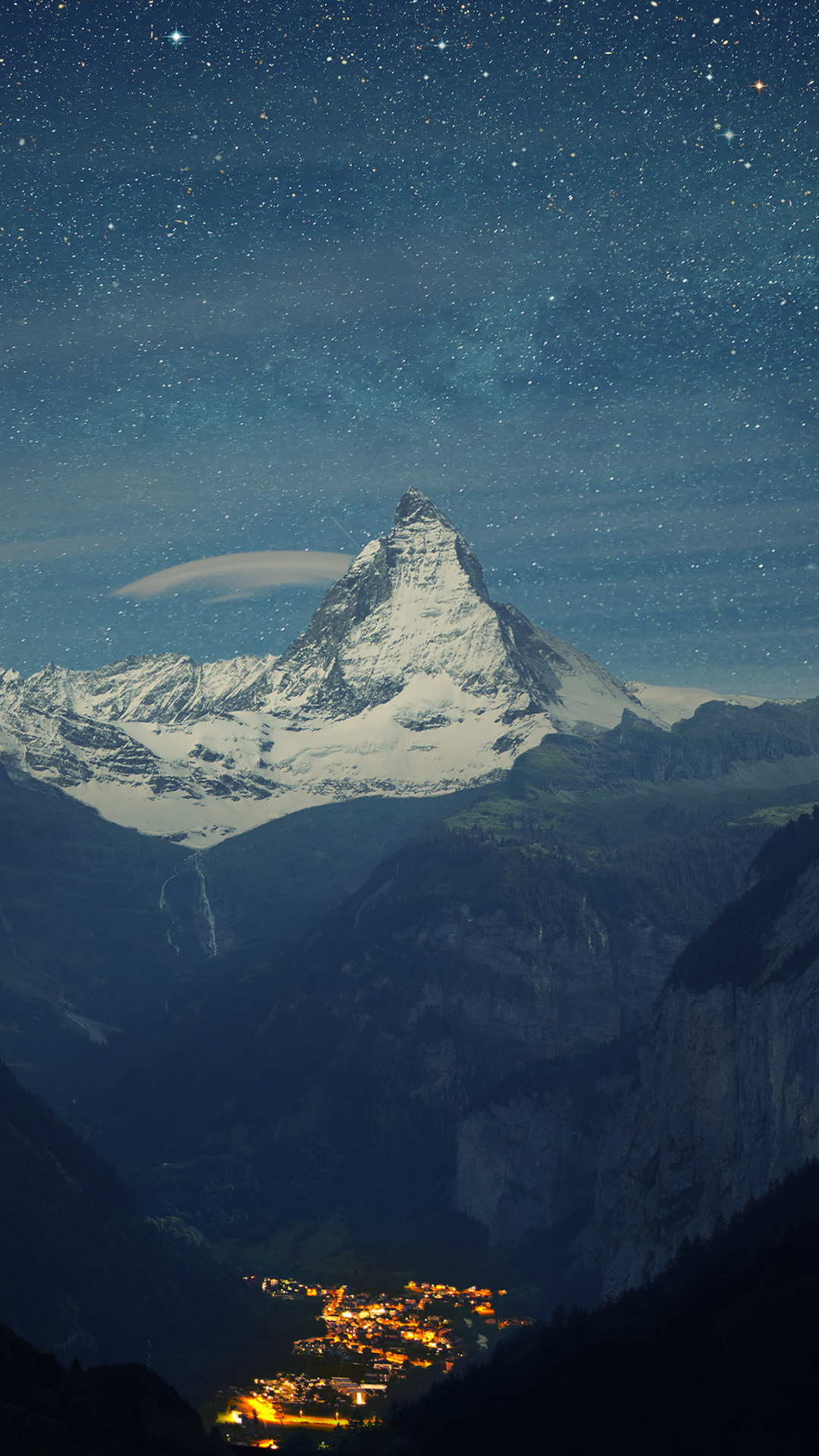
This meme is often used to express feelings of loneliness or a desire to be friends. The image features the Matterhorn mountain at night with a lit-up village below, serving as the classic visual backdrop for the phrase "I'm fine, but...". It is commonly used to ask, "Can I just be friends with you?"
(Note: Since the image itself does not contain readable text other than the implied "I'm fine, but..." text associated with the format, the lights in the town below serve as the primary visual indicator for viewers unfamiliar with the phrase.)
simple-description (llama3.2-vision_11b)
I don't have the ability to view images, but I can try to help you understand the meme based on the category you provided.
The meme likely features a humorous image of the Pope (Papes) in a situation that is unexpected or ironic, such as the Pope engaging in a mundane or silly activity. The text that appears in the image is likely a caption or quote that adds to the humor or irony of the situation.
detailed-analysis (gemma3-27b-vision)
Okay, here's an analysis of the image across several theoretical frameworks. I'll only include sections where the framework demonstrably applies, given the image's content.
Visual Description
The image depicts a striking nighttime view of the Matterhorn mountain, a pyramidal peak covered in snow, dominating the landscape. The mountain is dramatically lit by the faint glow of stars in a deep blue/black night sky. A small cluster of lights indicates a village or town nestled in the valley below, creating a significant contrast between the immense scale of nature and the modest presence of human settlement. The lower slopes of the mountain are partially shrouded in shadow, with a hint of green vegetation peeking through. The sky is filled with visible stars, suggesting a location with minimal light pollution. The overall composition evokes a sense of grandeur, serenity, and the sublime. It's a beautifully composed, almost fantastical scene.
Foucauldian Genealogical Discourse Analysis
The image can be viewed as a visual manifestation of specific discourses surrounding the 'mountain', 'nature', and ‘the sublime’. A Foucauldian genealogical approach would ask how these concepts came to be understood in the way they are.
- Discourse of the Sublime: Historically, the concept of the sublime – something inspiring awe, terror, and a sense of limitlessness – became dominant in art and philosophy (think Romanticism). This image embodies that discourse, and the way it’s been constructed through art, literature, and scientific observation. The Matterhorn isn’t just a mountain; it’s been made to represent something beyond human comprehension.
- Discourse of the Untouched: The image implicitly participates in a discourse of "wilderness" and "untamed nature.” This is a constructed idea, particularly in a region that has long been inhabited and used by humans (alpine pastoralism, tourism, etc.). The image often silences the history of human interaction with the landscape, presenting it as something pristine and ‘pure.’
- Discourse of Conquest and Challenge: Mountains are often framed as something to be conquered (by climbers, by explorers, etc.). The image, while aesthetically beautiful, subtly reinforces this framing—the sharp peak demands to be overcome. We see the implicit idea of the ‘masculine’ challenge that mountains embody.
The power dynamics within these discourses are important. The image doesn’t simply reflect nature; it’s an active production of meaning within historical and cultural systems.
Critical Theory
From a Critical Theory perspective (drawing on thinkers like Adorno and Horkheimer), the image can be analyzed as contributing to a broader ‘culture industry’ that aestheticizes nature and commodifies the sublime.
- The Fetishization of Nature: The image presents a highly idealized view of nature, stripped of its complexities and potential harshness. This creates a ‘fetishized’ image of nature, divorced from its material conditions and potential for exploitation (e.g., tourism's impact on the alpine environment).
- Distraction and Passivity: The beautiful aesthetic could be seen as distracting from real-world problems – environmental degradation, climate change, social inequalities. It offers a pleasurable escape rather than critical engagement.
- Commodification of the Sublime: The image is easily shareable, becomes part of tourism marketing materials, and functions as ‘content’. The sublime experience is thus turned into a commodity, something to be consumed and shared online, losing some of its intrinsic power.
Essentially, Critical Theory would argue that while visually stunning, the image reinforces existing power structures by presenting a passive and idealized view of nature rather than challenging the systems that exploit it.
Marxist Conflict Theory
While not immediately obvious, a Marxist reading can be applied.
- Land Ownership and Access: Historically, mountainous regions have been sites of conflict over land ownership and resource control. The image, while beautiful, obscures these histories of class struggle and power imbalances. Who controls the land surrounding the Matterhorn? Who benefits from tourism? These questions are invisible in the image.
- Tourism and Exploitation: The image is inherently connected to the tourism industry. Tourism represents a form of economic exploitation, where natural resources are commodified for profit, and local communities may be displaced or marginalized. The image promotes the consumption of the landscape, concealing these exploitative dynamics.
- The Division of Labor: The image implicitly suggests a division of labor – those who experience the sublime (tourists, viewers) and those who labor to maintain the conditions for that experience (hotel staff, guides, infrastructure workers). This division is unacknowledged in the aesthetic presentation.
Note: I did not include sections on Postmodernism or Queer Feminist Intersectional Analysis, as these frameworks don't directly seem to apply to the content of the image. While you could apply postmodern concepts like simulacra or hyperreality, they would be a stretch without more context. A Queer Feminist Intersectional analysis would require specific information about the social dynamics of the area surrounding the Matterhorn or specific representations of gender and sexuality.
Let me know if you’d like me to elaborate on any of these sections or explore a different theoretical framework.
simple-description (llama3.2-vision)
The meme is a photo of the iconic Swiss mountain, the Matterhorn, with a caption that reads "When you finally get to the top of the mountain, but your phone died 5 minutes ago".
tesseract-ocr
See ea poe NS ee De Pe Recs Br 6 ete ee RT Coes i eee Ore eae <a Re oleae ete ip a : Re coeir oes « IN Rig gy igi Sythe PLU ie ames sp iss ee Goes. Y (AGI gts itis < TAPE x see athe = a ee oe S NOR SbF z oe sae BU nn ES ate: SBS i aac ne See Py secede ee ee ie et Ps ee * : <. ii Le a