First Seen
2023-05-10T21:03:42+00:00
simple-description (qwen3.5_2b-q8_0)
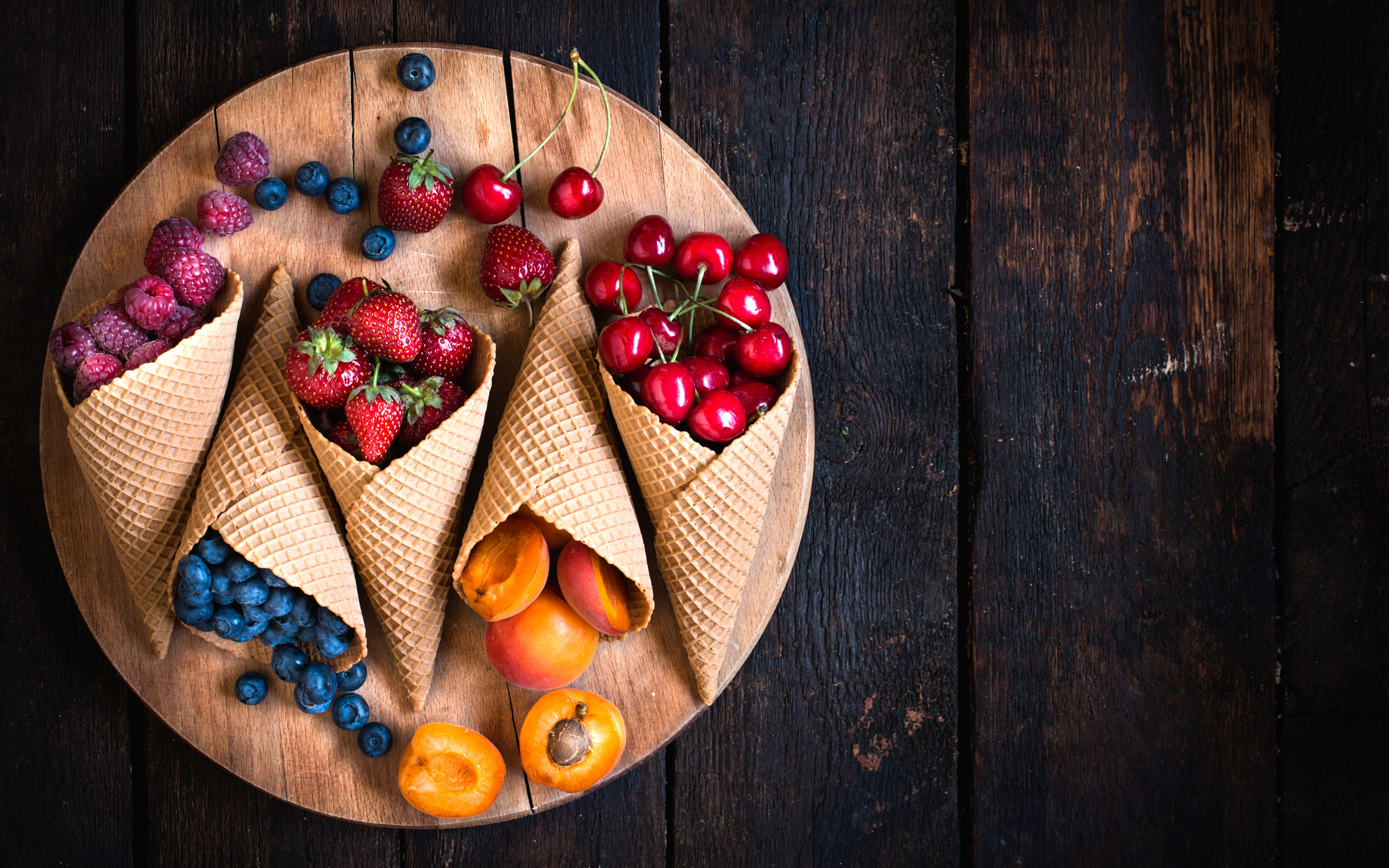
Based on the visual style and content, this image is likely a reference to the viral "Papaya Papes" or "Lunchbox Papes" meme trend. The core joke of these memes is the "overloading" aspect—the expectation that a person loves their food so much that a bowl (or plate) would overflow with a ridiculous amount of it. In this image, that principle is applied to fruit: four waffle cones are arranged in a circle, each overflowing with different fresh fruits like raspberries, strawberries, cherries, and apricots. The meme context suggests a theme of "snack addiction" or "greatest hits of fruit," using the chaotic pile to humorously depict an overwhelming appetite.
simple-description (llama3.2-vision_11b)
I couldn't find any information about a meme called "Papes". It's possible that it's a private or niche meme that isn't well-known. If you could provide more context or information about the meme, I'd be happy to try and help you understand it.
detailed-analysis (gemma3-27b-vision)
Okay, let's break down the image through several theoretical lenses.
Visual Description
The image is a top-down, flat-lay photograph depicting a wooden serving board covered with an arrangement of fresh berries and filled waffle cones. The board is circular and warm-toned, contrasting with the dark brown, rustic wooden surface it sits upon. The berries are varied: raspberries, strawberries, blueberries, cherries, and a few small apricots and golden berries. Four waffle cones, filled with different types of berries, are centrally positioned. The arrangement is symmetrical with the cones being the central focus. The lighting is soft, creating shadows that highlight the texture of the wood and the fruit. The color palette is dominated by reds, blues, and browns, giving it a natural, slightly rustic aesthetic. It evokes themes of summer, sweetness, and indulgence.
Foucauldian Genealogical Discourse Analysis
This image is not inherently laden with power dynamics in the way that some images are. However, a Foucauldian analysis can explore how the discourse of “healthy eating” and “natural sweetness” is constructed and reinforced through imagery like this.
- Discourse of Sweetness: The display of berries and cones appears innocent, but connects to a historical discourse around pleasure, restriction, and moderation. The discourse around sugar, historically linked to colonialism and slavery, is absent from the surface of this image. It promotes an idea of “acceptable” sweetness – fruit as a healthy indulgence, subtly differentiating it from other sugary treats.
- Normalization of Consumption: The arrangement normalizes the idea of abundant consumption. The visual excess, even if presented with healthy ingredients, contributes to a culture of over-abundance and a disconnection from the origins of food.
- Discipline & Self-Regulation: The image can be seen as a subtle exercise in self-discipline. "You can enjoy sweetness, but it must be this kind of sweetness". This is a form of self-regulation encouraged by a broader discourse of wellness and lifestyle.
- Genealogy of the Cone: Examining the waffle cone’s history - tracing its origins in industrial production and mass appeal - reveals that this seemingly simple object is a product of complex technological and economic changes.
Critical Theory
A Critical Theory lens would focus on the image's role in reinforcing existing social structures and ideologies.
- Commodification of Nature: The careful arrangement of the fruit presents a highly stylized, aestheticized version of natural produce. This highlights the commodification of nature, transforming it into a decorative object for consumption and display.
- Consumer Culture & Spectacle: The image contributes to the spectacle of consumer culture. It’s less about the nourishment of eating and more about the visual appeal and the idea of a desirable lifestyle.
- Representation of Abundance & Privilege: The display of abundant fresh fruit might implicitly exclude those who lack access to such resources. It can be seen as a visual representation of privilege and a subtle reinforcement of socio-economic inequalities.
- False Consciousness: The image could be seen as promoting a “false consciousness” by distracting from the systemic issues in food production and distribution. It presents an idealized version of consumption, masking the realities of exploitation and environmental degradation.
Marxist Conflict Theory
From a Marxist perspective, the image points to the underlying contradictions inherent in the food system.
- Labor & Production: While the image showcases the result of agricultural labor, it hides the conditions under which the fruit was grown and harvested. The labor of agricultural workers, often exploited and underpaid, is invisible.
- Class Relations: The ability to purchase and arrange such a display of fresh fruit is indicative of a certain class position. It symbolizes a level of disposable income and access to resources not available to everyone.
- Commodification of Nature as a Source of Profit: The image underscores how nature itself is turned into a commodity, driven by the pursuit of profit. The presentation aestheticizes this commodification, obscuring the economic relations involved.
- Alienation: The emphasis on presentation over nourishment can be seen as a form of alienation—separation from the true value of food (sustenance) and connection to its origins.
Postmodernism
Postmodern theory would see the image as a playful deconstruction of traditional still-life conventions.
- Hyperreality & Simulation: The image doesn’t necessarily represent “reality” but rather a simulation of a desirable lifestyle. The carefully arranged fruit and cones contribute to a hyperreal aesthetic, blurring the boundaries between authentic experience and representation.
- Surface over Depth: There’s a strong emphasis on surface aesthetics – color, texture, arrangement – which can be interpreted as a rejection of traditional notions of depth and meaning.
- Eclecticism and Pastische: The combination of different types of berries and the rustic aesthetic can be seen as an example of eclecticism, drawing on different styles and motifs.
- Deconstruction of the Still-Life: The traditional still-life often aimed for realism and moral symbolism. This image subverts those conventions, focusing on visual pleasure and aesthetic appeal.
Please note: These are just interpretations, and different theoretical lenses could lead to even more nuanced readings. A key point of these analyses is that even a seemingly innocuous image can reveal complex power dynamics, social structures, and ideological assumptions.
simple-description (llama3.2-vision)
The meme is a humorous image of a plate of ice cream flavors, with each flavor represented by a different emoji. The text "I can smell the desperation" is written above the plate, implying that the person is trying to choose a flavor, but is struggling to make a decision. The image is likely meant to be humorous and relatable, poking fun at the common problem of indecision when faced with multiple options.
tesseract-ocr
ile “ea { ri 3 ae aN Nn; Pur: ree | jae ri y | —— 7A Qa PTE Heat cna | io) i iu NE ‘ 5 | ie ar, | ie WANE ng aN / | tas i He | | PICS nil | RL. aan | eset, ee rR Cay i i UR PEE i 4 1 Rane { 4 | rie €) . Py A eS a NS FAS ane ‘ a meee Laon r oA al F Heath Ayn’ i } | ae —_— td WP ah atest EN He an ees } ‘ j (0 me . ain ” i i Se dts Kien Wen pare ea ' SE An i cae | Aon Mee E: ey li! a Ss m y ) , AW a Wee ale a ah ai i coe aes wie "a ) i RS \\ oF f " me tia ne ik : ri i ia bn | i by f 2 A Se ae ~ \ & ry WG FOS Eee ty C i 4 te) ee ' 4 i — { iw 4 ry Soe ghey, y, li Be i la 4 ed | F ti bf fi eS iy ‘Mg 4 Ge ly \ ‘4 ks yy r " Wadi A WH " a a BRR i. May oe a We ‘ | y —_ Mg \ ee oO ‘bl ys a) i Ly; er OURS ‘ j m 4 tn yy aly 22 BE GES: ee ae | ANH i ‘ ype : a 2. me pone, ee za RE cst cP , a Z | | , A ; Hi hae =. . | B 1 py SE eos roy We re EE SB: ry og D>? y i : | | i | » Te Fx ; . . Vay BYE ae. EM a SES ; oh 5 EL ; ‘i Ne ME ~~. Oa? Be 3 i Ht KIS mea TW OF) 27 = vs MY ry i Rv . a cA, 49 4 . yt, ao > >. Rien, i aa vi Se p>? W wy Setar Wages hi P>” p L's oh \ P ar i ‘ 1 ae ) n P : > Aa EPH i So, Oa Ke 4 ae BP.” AWE i ee 4 . b Ses > A acy . ‘ - > i\ the gels a : f > F 9 LOGY ANE ij ee Bae SS 4 4 bs ‘ Pe res aan Ht a OT , >. i. > » th AY wal Nc ; ) § ca : Se ‘a an ‘ ‘ é >, AN NE Nae 1 Pawnee: : * oe ee ae >> d 5 i : Hi i be ee i? , _—,: OWS bln ebsee . oe | A a . eid >” ea: bs 4 ‘S i ay Wa ah A i i ao oo 060 . ie a me \ : wy. . Aa Gt . ea yy A& e ae a wi ; coe te » ay Moy! } ES \. i \i , \ BANS ' Mie ae | ai 4 \ : On an ie mn Ma Seeman!) 4!) ae ’ ee ‘ ’ | a) | | Tsu oe Fae » FS ug | eth Ae wy 7 ba ca ' : ; ch, a | Si i a ‘ LYN Fab | ps q i i j