First Seen
2023-05-10T21:03:42+00:00
simple-description (qwen3.5_2b-q8_0)
"Papes" is a popular internet meme originating from a video where the creator asks viewers if they want to sleep in. In this image, the meme context is used humorously to suggest that the lights are off and the person is already curled up in bed overlooking the ocean at dusk. The string of glowing bulbs in the foreground reinforces the idea of turning off electricity for a quiet, peaceful night.
simple-description (llama3.2-vision_11b)
I can't find a meme related to the text "Papes".
detailed-analysis (gemma3-27b-vision)
Okay, here's an analysis of the image, broken down into sections based on your requested theoretical frameworks. I'll only include sections that are relevant and where a strong interpretation can be made.
Visual Description
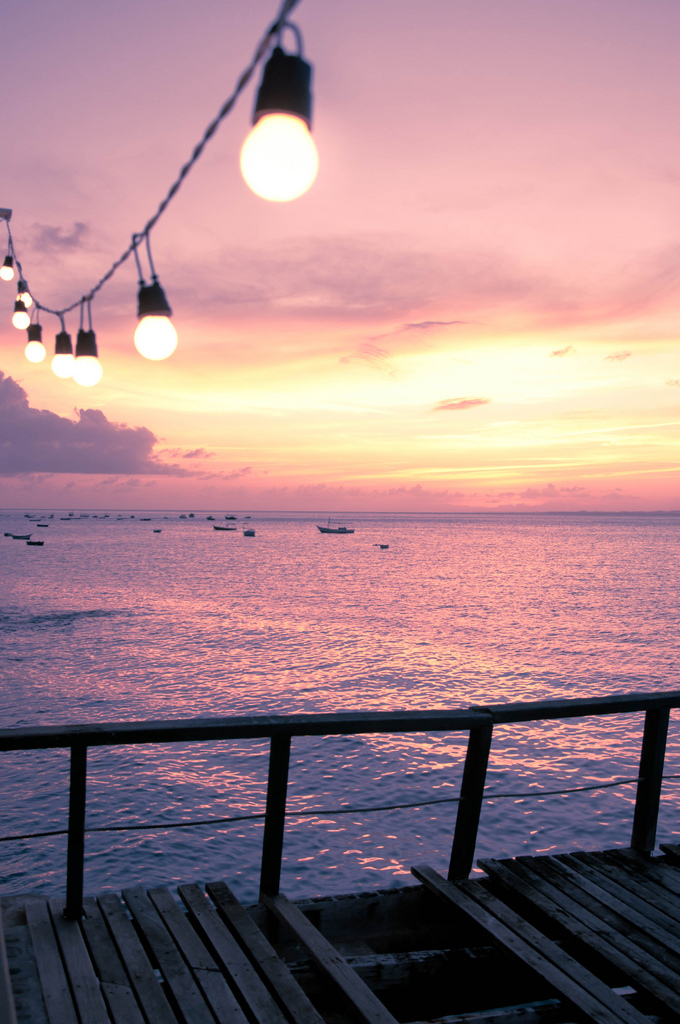
The image depicts a serene seascape at sunset or sunrise. A wooden deck and railing are in the foreground, providing a framing device. The ocean stretches to the horizon, speckled with numerous small boats, likely fishing vessels. The sky dominates the composition and is ablaze with vibrant colors—a gradient of pink, orange, and purple. Strings of Edison-style light bulbs hang above the deck, providing a warm, artificial glow that contrasts with the natural light of the sky. The overall impression is one of tranquility, beauty, and a sense of liminality (between day and night, land and sea). The lighting suggests a recreational or hospitality setting—perhaps a beachside restaurant or bar.
Foucauldian Genealogical Discourse Analysis
This image can be analyzed through a Foucauldian lens by examining the discourses surrounding leisure, tourism, and the picturesque.
- Discursive Formation: The scene participates in a discursive formation of "tropical paradise" or "exotic getaway." These terms aren't natural; they've been constructed over time through colonial narratives, advertising, and media representations. The image performs this discourse – enacting the fantasy of escape and relaxation.
- Power/Knowledge: The image doesn't simply reflect reality; it produces it. The idea of this scene as desirable, restful, and "beautiful" isn't inherent in the landscape. It's created through the power dynamics of those who define aesthetics and market experiences. This construction of beauty and desire benefits specific actors – tourism industries, property developers, etc.
- Genealogy: Tracing the genealogy of this image would involve looking at the historical development of beach tourism, the romanticization of sunsets, and the association of certain landscapes with certain emotions. For example, the light bulbs could be seen as representing the imposition of modernity and control on a natural setting. The fishing boats, juxtaposed with the leisure setting, hint at the local economy that supports and is shaped by this tourism.
- Discipline/Surveillance: The scene is carefully constructed. The positioning of the deck, the placement of the lights, all suggest a degree of control and organization. The viewer, positioned as a gaze, is participating in the construction of this space.
Critical Theory
Using the Frankfurt School’s lens, this image can be understood as participating in the "culture industry."
- Commodification of Experience: The scene is essentially a packaged experience. The sunset, the sea, the lights—they’ve all been made consumable through tourism. The genuine awe of nature is replaced by a pre-fabricated and predictable aesthetic.
- False Consciousness: The image encourages a sense of escape and relaxation, masking underlying social, economic, and ecological problems. The focus on beauty and leisure distracts from the realities of the local fishing community, environmental degradation, or the potential for exploitation.
- Standardization: While seemingly unique, this scene is part of a globalized aesthetic. Similar images appear in travel brochures and advertisements around the world. This standardization of beauty contributes to a homogenization of culture and a loss of authenticity.
Marxist Conflict Theory
From a Marxist perspective, the image reveals underlying class and economic contradictions:
- Exploitation: The peaceful scene conceals potential labor exploitation. The small fishing boats may represent the livelihoods of local people who are economically vulnerable and reliant on precarious work. Their labor allows the leisure experience to exist for a more privileged group.
- Capital Accumulation: The scene likely exists within a capitalist system where land and resources are commodified for profit. The deck and lights represent capital investment, and the leisure activities generate revenue.
- Alienation: The image could be viewed as an example of alienation, where people are separated from nature and their own labor. The experience of the sunset is mediated through a constructed environment and a commercial transaction.
- Superstructure: The “beauty” of the scene serves to reinforce the dominant ideology of consumerism and economic growth. It justifies the social inequalities that allow such leisure experiences to exist.
Let me know if you'd like any of these analyses expanded or if you'd like me to focus on a specific theoretical framework in more detail.
simple-description (llama3.2-vision)
The meme is an image of a beach at sunset with a person standing in the water, looking out at the horizon. The text "I'm not lazy, I'm just on island time" appears at the top of the image. The image is meant to be humorous, implying that the person is enjoying a relaxing vacation and doesn't feel like getting out of the water.
tesseract-ocr
ks j jf / j j j / 7 A J Sof aT 2 ne — - —— = —— —— = =a SS s a : e os \ 4 al