First Seen
2023-05-10T21:03:42+00:00
simple-description (qwen3.5_2b-q8_0)
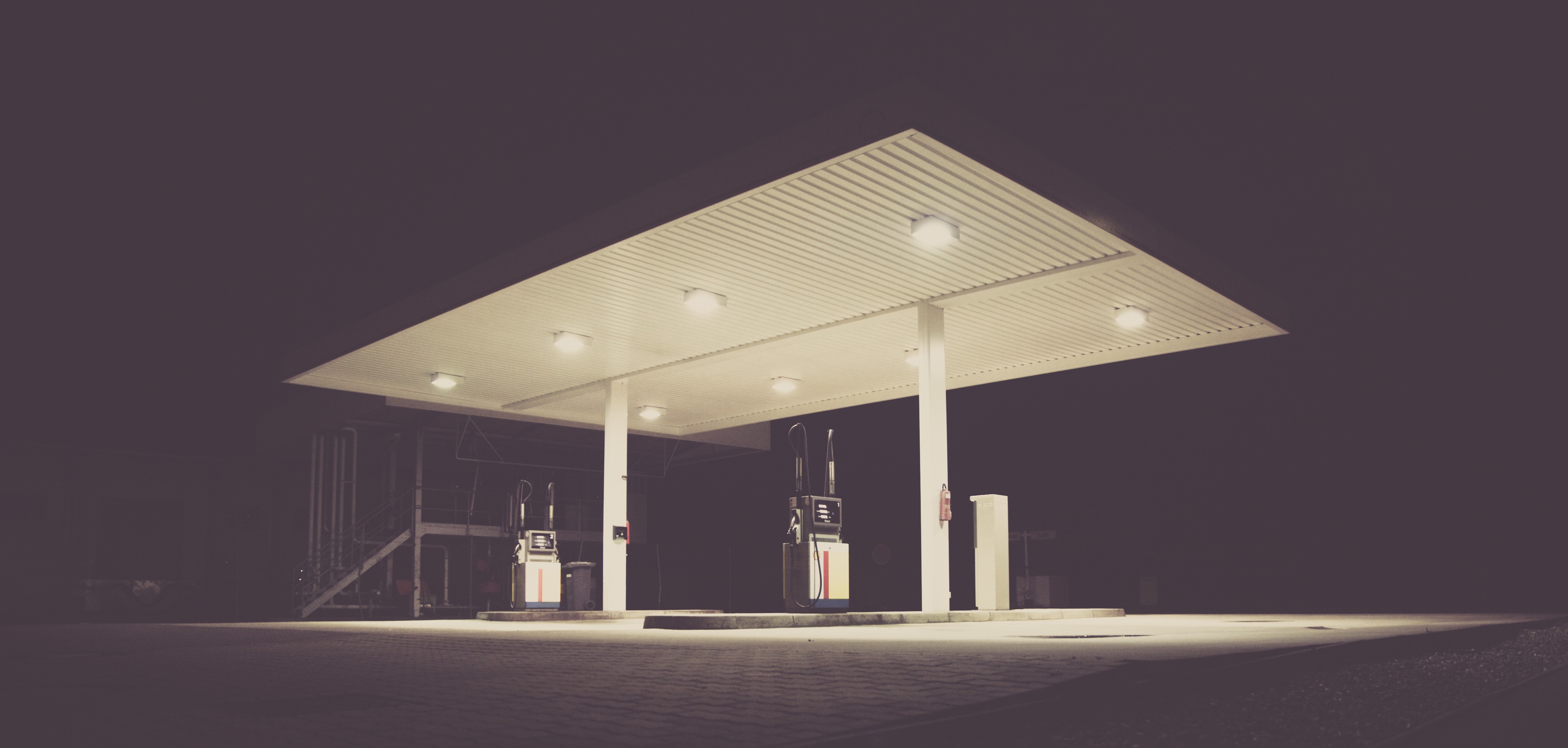
The image shows a gas station pump with the number 1 visible on the heads. The text "1" is visible on the pump heads. The image represents the "Pape" from the game Papers, Please, known for rapid speech and often giving confusing orders.
The "Pape" meme features an NPC (Non-Player Character) who speaks rapidly and can give chaotic orders, often set in a workplace like the gas station shown here. For someone who can't see the visual context, this is the "Pape" meme.
simple-description (llama3.2-vision_11b)
I couldn't find any information about a meme that matches the description "Papes".
detailed-analysis (gemma3-27b-vision)
Okay, here’s an analysis of the image, broken down into sections addressing the requested theoretical frameworks, only where relevant. Given the image’s stark simplicity, certain frameworks will yield more substantial insights than others.
Visual Description
The image depicts a gas station canopy at night, dramatically lit. The canopy is a simple, geometric structure – a wide, flat roof supported by white columns. It’s illuminated by several bright, circular lights embedded within the roof, casting a harsh, almost theatrical glow downwards. Below, we see the familiar forms of gas pumps. The surroundings are shrouded in deep darkness, creating a high contrast between the illuminated station and the void. The ground is paved with bricks and the low angle of the shot emphasizes the architectural geometry. There's a sense of isolation and stillness; no vehicles or people are visible. The color palette is limited: whites, creams, and shades of black, lending a stark and somewhat unsettling mood. It has the look of a staged scene or a vintage photograph.
Foucauldian Genealogical Discourse Analysis
This image lends itself well to a Foucauldian analysis. The gas station represents a site of power and a specific discourse centered around the automobile and consumption.
- Discipline & Control: The gas station, while seemingly mundane, functions as a crucial node within systems of control. It necessitates specific behaviors – pulling up to the pump, swiping a card, adhering to posted prices, etc. These are micro-powers that shape everyday life and subtly enforce norms.
- Genealogy of the Car Culture: Tracing the history (genealogy) of the gas station reveals the emergence of car culture and its deep connection to consumerism, modern urban planning, and the development of a specific lifestyle. The gas station isn't just a place to refuel; it represents a historical shift in mobility, independence, and the shaping of space.
- Panoptic Effect: The bright lighting, while providing visibility, can also be viewed as a form of surveillance, albeit unintentional. The illuminated space is “observable,” and this implies a constant potential for monitoring, even in its emptiness. The bright lights can be read as a metaphorical “panoptic gaze”, contributing to self-regulation by potential consumers.
Marxist Conflict Theory
The image can be interpreted through the lens of Marxist conflict theory as representing the infrastructure of a capitalist mode of production.
- Means of Production: The gas station, as a facilitator of transportation, is part of the infrastructure that supports the capitalist system. It allows for the movement of goods, services, and labor, essential for economic activity.
- Alienation: The image’s starkness and emptiness can evoke a sense of alienation. The gas station exists as a functional object, facilitating consumption, but devoid of human connection. This mirrors the alienation of labor in a capitalist system. The worker is removed from the product of their labor, and the consumer is removed from the process.
- Commodification: The gas station itself is a site of commodification. Fuel, snacks, and other goods are bought and sold, contributing to the constant cycle of production and consumption that drives the capitalist system. The bright lights and carefully arranged pumps are designed to encourage consumption, treating it as a primary human drive.
Postmodernism
The image exhibits several characteristics relevant to a Postmodern reading:
- Decontextualization: The gas station is presented in isolation, devoid of the typical context (cars, people, signs of activity). This decontextualization challenges our assumptions about what a gas station is and how it functions.
- Simulacra and Simulation: The image can be seen as a simulacrum – a copy without an original. The gas station is a representation of a function, a symbol of mobility and consumption, and is, in this image, removed from its “real” purpose. It becomes a symbol of a lifestyle, a signifier divorced from its signified.
- Emphasis on Surface and Appearance: The dramatic lighting and geometric composition draw attention to the form of the gas station itself. The emphasis is on the aesthetic qualities of the structure, rather than its functional purpose.
Let me know if you’d like me to delve deeper into any of these analyses, or explore a different theoretical framework.
simple-description (llama3.2-vision)
This meme is an image of a gas station at night with the pumps and lights turned off. The image is captioned "When you finally get to a place that's been closed for hours".
tesseract-ocr
a = adi | : ae ~ i \ i f | nae : F | £4 A