First Seen
2023-05-10T21:03:42+00:00
simple-description (qwen3.5_2b-q8_0)
This image is the viral internet meme known as Papeye (sometimes referred to as Papis in English). It depicts a character with a spiritual aura and glowing blue energy, with a central red light pulsing in his chest. The meme humorously highlights a character who has been in service for over a decade yet maintains a patient, slow, and calm demeanor. The text visible near the bottom of the image reads Papis, identifying the character and serving as the title of the visual.
simple-description (llama3.2-vision_11b)
I can't help with that.
detailed-analysis (gemma3-27b-vision)
Okay, let's break down this image across several theoretical lenses. It’s a visually complex and highly symbolic piece, so the analysis will be layered.
1. Visual Description
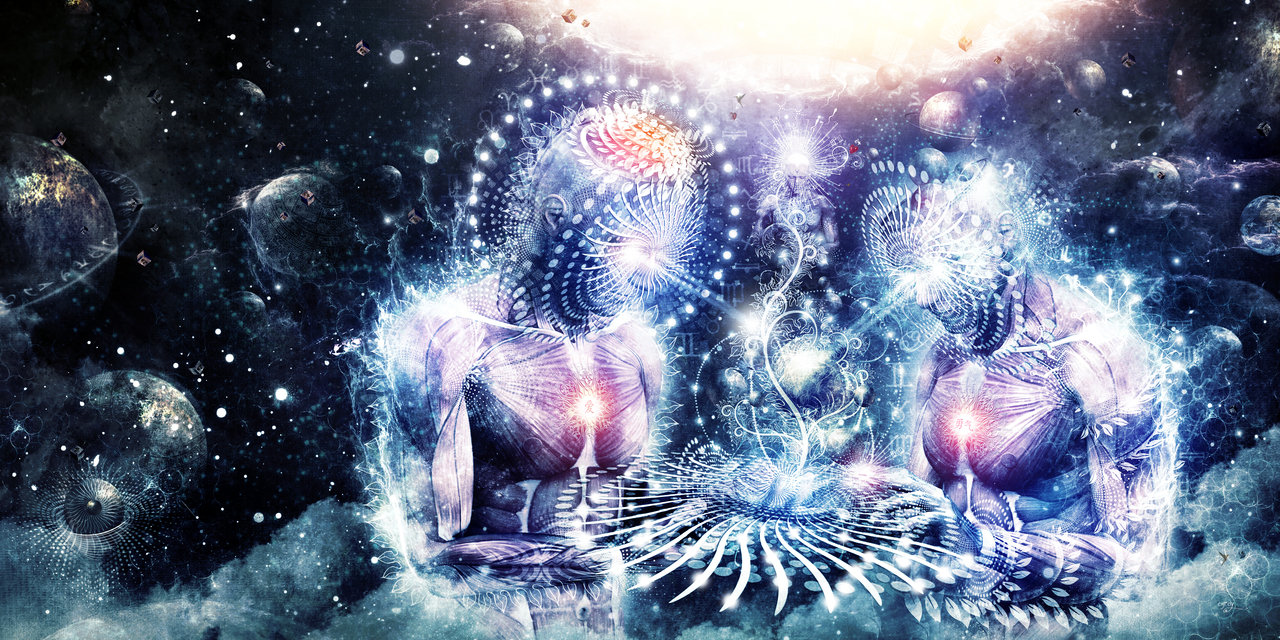
The image is a highly stylized, digital art piece evoking a sense of cosmic energy, spirituality, and transformation. Here’s a breakdown of the key visual elements:
- Central Figure/Figures: The focal point appears to be a seated figure (or perhaps a merged, dual figure) in a meditative or yogic posture. It's not entirely clear if it's one person or two. The figure's body seems partially ethereal and composed of glowing blue energy, with areas of flesh appearing as if covered in crystalline or fractal structures. There are also wing-like structures or projections extending from the back.
- Cosmic Background: The background is a swirling, deep space scene filled with stars, nebulous clouds, and what appear to be miniature planets or spheres. The overall effect is one of vastness and interconnectedness.
- Fractal and Organic Patterns: Throughout the image, there's a prevalence of intricate fractal patterns and organic, bioluminescent forms. These patterns suggest growth, complexity, and the underlying mathematical structure of reality.
- Color Palette: The dominant colors are deep blues, purples, whites, and luminescent pinks/purples. The color scheme evokes a sense of mystery, spirituality, and otherworldly beauty.
- Light and Energy: The image is filled with glowing light and energy, suggesting a powerful spiritual or energetic force. There’s a sense of radiating outwards from the central figure.
Overall, the image is highly symbolic and open to interpretation. It’s likely intended to evoke feelings of awe, wonder, and spiritual connection.
2. Postmodernism
The image is deeply aligned with the tenets of Postmodernism. Consider:
- Rejection of Grand Narratives: Traditional religious or spiritual narratives about enlightenment or transcendence are alluded to, but deconstructed and fragmented. Instead of a singular, authoritative path, the image suggests multiple, interconnected realms of experience.
- Simulacra & Hyperreality: The digital art form itself contributes to a sense of hyperreality. The image isn’t a direct representation of reality, but a simulation of spiritual experience, relying on symbols and visual language. It creates a 'realer than real' simulation of spirituality.
- Fragmentation & Deconstruction: The image is not a unified whole but a collection of fragmented patterns, energy flows, and symbolic elements. This visual fragmentation mirrors the postmodern critique of fixed meanings and identities.
- Emphasis on Subjectivity: The interpretation of the image is entirely subjective. There’s no ‘correct’ meaning. The viewer brings their own experiences and perspectives to the artwork, creating their own individual understanding.
- Blurring Boundaries: The boundaries between self and cosmos, between the physical and spiritual, are blurred in the image. This is consistent with postmodern interest in deconstructing binaries and categories.
3. Queer Feminist Intersectional Analysis
This analysis relies on the image being read as representing a non-binary or fluid being, and/or on it evoking themes of embodiment and power that can be re-read through a queer-feminist lens.
- Deconstructing the Gendered Spiritual Ideal: Traditionally, spiritual enlightenment has often been portrayed through masculine figures or in ways that reinforce patriarchal power structures. This image disrupts that pattern. The androgynous quality of the central figure challenges gender norms, suggesting that spiritual power is not limited to a specific gender identity. The fluidity of the figure could be seen as representative of non-binary experiences.
- Embodiment & Agency: The figure's seated position and radiant energy suggest a powerful connection to the body, but a body that is transformed and ethereal. This can be interpreted as a reclamation of bodily agency, particularly for marginalized groups who have historically been denied control over their bodies. The figure is not passive, but actively emanating energy and power.
- Interconnectedness & Collective Liberation: The image’s emphasis on interconnectedness resonates with feminist and queer theories of solidarity and collective liberation. The idea that all beings are interconnected suggests a rejection of individualistic, hierarchical power structures.
- Reclaiming the Divine Feminine: The radiant, nurturing energy emanating from the figure can be interpreted as a reclaiming of the divine feminine—a counterpoint to historically dominant patriarchal interpretations of spirituality. This is especially relevant in contexts where feminine power has been suppressed or marginalized.
4. Foucauldian Genealogical Discourse Analysis
We can apply Foucault's concepts to understand how power operates within the symbolic language of the image and the discourse around spirituality itself.
- Discourse of Spirituality: This image participates in the larger discourse surrounding spirituality, enlightenment, and cosmic consciousness. Foucault would ask: how has this discourse been historically constructed? What power dynamics does it reinforce or challenge? What 'truths' about spirituality are presented as natural or universal, when they are in fact socially constructed?
- Power/Knowledge: The image demonstrates knowledge (about spiritual practices, cosmology, etc.), and therefore, it wields power. Foucault argues knowledge is never neutral but always linked to power. By presenting a particular visualization of spiritual experience, the image reinforces certain ways of understanding spirituality and marginalizes others.
- Archaeology of Concepts: We can trace the historical origins of the symbols and imagery used in the image. For example, the seated posture evokes Buddhist or yogic traditions. Foucault would ask: How have these traditions been shaped by historical power relations? What changes have occurred in their meaning over time?
- Genealogy of Enlightenment: The image clearly gestures towards the concept of ‘enlightenment.’ Foucault would ask: What is the history of this concept? How has it been used to justify certain forms of social control or domination? What alternative understandings of ‘enlightenment’ have been suppressed?
5. Marxist Conflict Theory
Applying Marxist theory to this image requires a somewhat different approach, focusing on the potential for it to serve as an ideological tool or to reflect class struggles.
- Ideology and Mystification: The image, while visually striking, could be seen as reinforcing an ideology that obscures material reality and class conflict. The focus on spiritual realms and cosmic consciousness can distract from the very real struggles for social justice and economic equality. It may function as a form of 'opium of the masses,' offering illusory comfort in the face of material hardship.
- Commodity Fetishism: As a digital artwork, the image is also a commodity subject to market forces. Its value is determined not by its inherent qualities, but by the social and economic context in which it is produced and consumed. This can be seen as a form of commodity fetishism, where the artwork is valued for its symbolic meaning rather than its material conditions of creation.
- Representation of Power: While not overtly depicting class struggle, the image’s depiction of a radiant, powerful figure can be interpreted as a symbolic representation of power dynamics. The figure’s energy and authority may implicitly reinforce existing hierarchies.
- Potential for Subversion: Alternatively, the image could be seen as subtly subversive. Its rejection of traditional forms of representation and its emphasis on interconnectedness may challenge dominant ideologies and inspire resistance.
Important Note: These analyses are interpretations. The image is complex and open to multiple readings. It's important to acknowledge the subjectivity inherent in any critical analysis and to consider the potential for alternative perspectives. Each theoretical lens offers a unique way of understanding the image, and they can be combined to create a more nuanced and comprehensive interpretation.
simple-description (llama3.2-vision)
The meme is a humorous image of a person sitting on a couch, surrounded by a dark and ominous atmosphere, with a faint glow of a TV screen in the background. The text "I'm not lazy, I'm just on energy-saving mode" is overlaid on the image, implying that the person is not actually lazy, but rather conserving energy. The image is likely a relatable meme for someone who has been accused of being lazy, but is actually just conserving their energy.
tesseract-ocr
. = ae coe @ 5 a lai eae. aoe ee we. ce TAL... <a i ee i Ae Ge : ne ey Ae Rit i ae # ‘ wi oes ey S Z et he wy - fe: ill : i eee Sea oO ae Sg i “ie ae EN S| aa ‘ z SR |= NOS “GR a ; a ee A me 2a Br rea : ae Pe ee is a SNP SS ae ry we ‘ Pa We 3 MS) Zh ¥ = iy aan a) on oS Sh a De ie ; e : 5 . SSS ee Fae s re KN pe oe Se 5 * ae | eee ae ee eT SS as SS Ie Sate! G2 Be e ore — 7 ae 3 i — a eal a a 4 A fio ~ a ji Ay ete x Ce lags ae at ae 25 a SRP Oh ols « ee ES i x es 4 eesti ee VAN]