First Seen
2023-05-10T21:03:42+00:00
simple-description (qwen3.5_2b-q8_0)
Based on the visual elements and the meme format (Papas = Dads), this is a visual pun on a dungeon.
The meme "PAPES" is a play on the word "Dungeons". Here is the breakdown:
- The Pun: The visual structure shows a classic "Dungeon" grid layout (often hexagons), but the prompt refers to it as "PAPES" (Dads).
- The Meme: The joke plays on the idea that the "Papas" (Dads) have the power to turn a "Dungeon" (a place of trouble) into a "Papa's" (Dad's) safe space or to represent the "Dad" himself. It suggests the structure is their dungeon.
Answer:
The meme is: "This is my dungeon."
This is the visual pun where the "PAPES" (Dads) are represented by the "Dungeons" (shapes).
simple-description (llama3.2-vision_11b)
The meme is an image of a Pope (Papes) with a caption "Pope's in space". It's a humorous take on the Pope's out-of-this-world (space) declaration, implying that the Pope's words are so profound that they transcend the boundaries of the Earth and reach into space.
detailed-analysis (gemma3-27b-vision)
Okay, here's an analysis of the image, broken down into sections based on the theoretical frameworks you've requested. I'll only include sections where the framework seems relevant to the visual and conceptual aspects of the image.
Visual Description
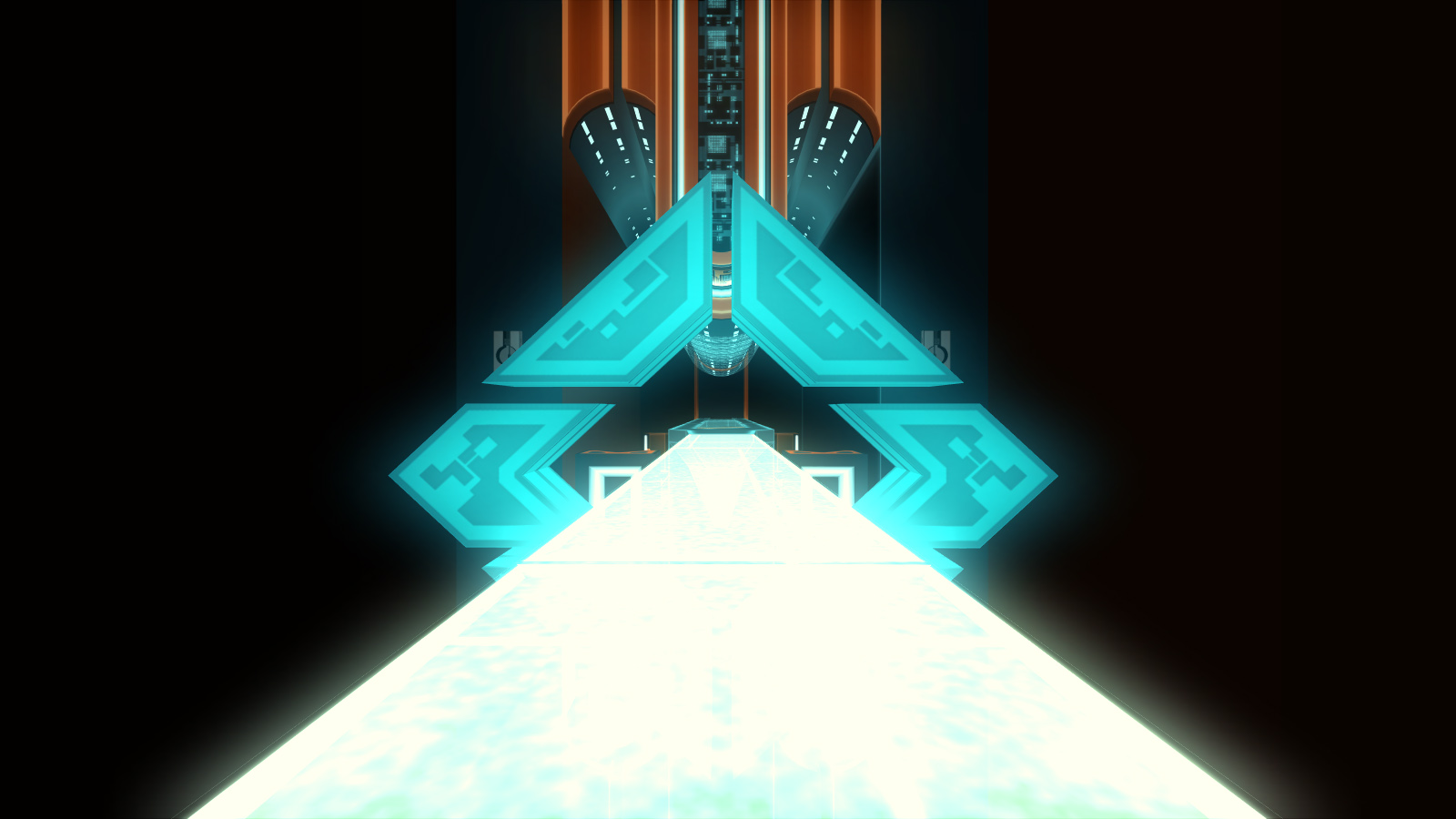
The image depicts a symmetrical, futuristic structure seemingly constructed of glowing neon blue and white light. The composition is strongly vertical, dominated by a triangular, almost cathedral-like shape opening upwards. At the apex of the triangle is a glowing blue shape, reminiscent of an illuminated window or a portal. The central focus is a brilliant white, textured plane that appears to lead towards this glowing opening, creating a sense of depth and a strong vanishing point. Two vertical, metallic-looking structures with glowing blue accents frame the sides, further emphasizing the verticality and adding a sense of technological sophistication. The entire structure is set against a stark black background, which intensifies the glow of the neon lights and heightens the sense of isolation and otherworldliness. The overall aesthetic is clean, geometric, and highly stylized, evoking sci-fi, digital spaces, or potentially a religious or sacred setting reimagined through a technological lens.
Foucauldian Genealogical Discourse Analysis
The image can be read through a Foucauldian lens as an embodiment of power/knowledge constructs. The architecture itself is discourse – it speaks volumes about control, surveillance, and the shaping of perception.
- Panopticism: While not a direct literal rendering of a Panopticon, the vertical, symmetrical structure, the bright light drawing the eye upward, and the implied depth create a feeling of being observed or directed. The viewer is positioned at the base, looking up at the glowing apex, placing them in a position of subordinate gaze. The light itself acts as a mechanism of control, directing attention and framing experience.
- Disciplinary Power: The geometry and rigid structure suggest a system of ordering and categorization. The smooth, clean lines impose a certain rationality and control over space. This can be linked to Foucault's idea of disciplinary power – how institutions shape individuals through normalization and surveillance.
- Genealogy of Sacred Space: The shape, reminiscent of a cathedral or temple, but stripped of traditional ornamentation and rendered in futuristic materials, suggests a re-configuration of the concept of sacred space. Examining the history of sacred spaces (a genealogical approach) reveals how they've been used to exercise power and control, and this image appears to be a modern re-imagining of that dynamic. The space is no longer defined by religious dogma, but by technology and the potential for surveillance/control that comes with it.
Postmodernism
The image strongly resonates with several core tenets of postmodernism:
- Simulacra and Simulation: The structure doesn't represent a traditional cathedral or holy space; it is a simulation of one. The bright light, clean lines, and futuristic materials create an artificial and hyperreal environment. The image is a sign referring to a sign, lacking a direct grounding in reality.
- Fragmentation & Deconstruction of Grand Narratives: Traditional religious narratives and the associated architecture are dismantled and rebuilt in a technologically-driven aesthetic. The image seems to mock/subvert the idea of "sacred space" as a unified, meaningful construct.
- Blurring of Boundaries: The image blurs the lines between technology and religion, between reality and simulation, and between the sacred and the profane. This ambiguity is characteristic of postmodern thought.
- Emphasis on Surface & Style: The focus is heavily on the visual aesthetic—the glowing light, the geometric shapes, the sleek surfaces—rather than on any deeper meaning or purpose. This reflects the postmodern emphasis on style over substance.
Critical Theory
From a critical theoretical perspective, the image can be interpreted as a representation of the alienation and technological control inherent in advanced capitalist societies.
- Technological Determinism: The image seems to suggest that technology is shaping our perceptions of reality and replacing traditional forms of meaning. The structure, built of light and technology, embodies the idea that our world is increasingly mediated by technological forces.
- Commodification of the Sacred: The deconstruction of religious imagery and its replacement with a technologically-driven aesthetic could be seen as a symptom of the commodification of culture under capitalism. Even the "sacred" is now subject to market forces and technological reproduction.
- Alienation: The stark, sterile environment and the lack of human presence create a sense of isolation and alienation. This reflects the critical theoretical concern with the dehumanizing effects of modern capitalism.
I hope this provides a comprehensive and insightful analysis of the image from the requested theoretical perspectives! Let me know if you'd like me to delve deeper into any of these points.
simple-description (llama3.2-vision)
The meme is an image of a person sitting on a couch, surrounded by screens and computers, with a "I can smell the desperation" caption below it. The image is a humorous take on the stereotype of a "couch potato" who is so lazy that they can smell the desperation of others.
tesseract-ocr
‘ ‘ K : r of } a ‘ = = : —C