First Seen
2023-05-10T21:03:42+00:00
simple-description (qwen3.5_2b-q8_0)
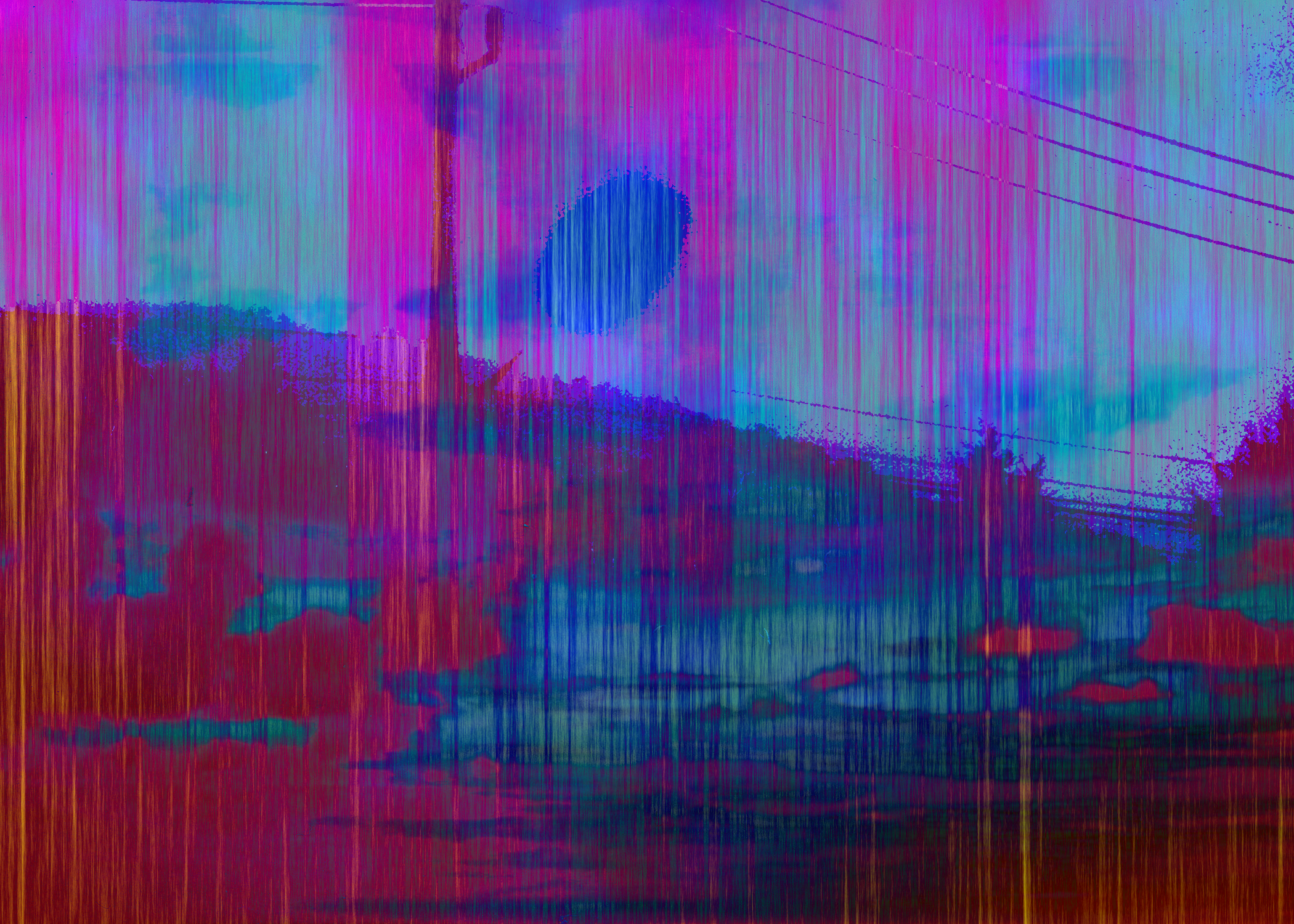
This image is a "PAPES" meme, a format where the user's last name is used to claim the photo as their own. The name stands for "Papa's Last Name" and tells other users where to look for a similar meme featuring that name. The image shows a grainy, glitchy landscape with power lines and a sky, serving as the visual content for the meme associated with the name.
simple-description (llama3.2-vision_11b)
The meme is an image of a cat with a caption "I can smell the desperation in the air". The image is a play on the phrase "I can smell the desperation in the air" which is a common phrase used to describe a situation where someone is feeling anxious or stressed. The cat is likely being used to add a humorous touch to the phrase, implying that the situation is so stressful that even a cat can sense it.
detailed-analysis (gemma3-27b-vision)
Okay, here's an analysis of the provided image, broken down into the requested theoretical frameworks where applicable. It’s a challenging image, deliberately disrupted, so the interpretations are necessarily layered and somewhat speculative, drawing on what is suggested rather than clearly depicted.
1. Visual Description
The image presents a highly distorted view of what appears to be a suburban residential street. Buildings, trees, and possibly sky are suggested, but overwhelmed by a pervasive digital glitch effect. The dominant colors are intense magenta/pink and a striking, almost electric, turquoise/cyan. Vertical lines, resembling data corruption or a damaged video signal, dominate the composition. These lines obscure much of the detail, making it difficult to discern precise forms. A lighter, circular shape in the upper portion of the frame suggests a distorted sun or moon. The overall effect is one of fragmentation, visual noise, and a sense of something being broken or unstable. It evokes a feeling of viewing reality through a malfunctioning technological interface.
2. Postmodernism
This image is deeply steeped in postmodern aesthetics. Several key postmodern themes are immediately apparent:
- Simulation & Hyperreality: The image isn’t presenting a “real” view of the street; it’s a representation of a representation – a digitally corrupted one. This disrupts the idea of an original, authentic reality, leaning into the postmodern concept of simulation, where signs and symbols have become detached from any underlying truth. The glitch effect functions as a powerful signifier of this detachment.
- Deconstruction of Representation: The digital corruption deconstructs the traditional function of an image – to accurately represent something. It exposes the image as a constructed artifact, drawing attention to its inherent artificiality.
- Fragmentation & Discontinuity: The disruption of form and meaning through the glitch aligns with a postmodern rejection of unified, coherent narratives. The fragmented nature of the image mirrors a postmodern worldview that sees reality as inherently unstable and fragmented.
- Intertextuality: The visual language of "glitching" references a specific digital culture and aesthetic that is itself layered with references to older forms of visual disruption (e.g., static, damaged film). The image isn't isolated but exists within a web of intertextual references.
3. Foucauldian Genealogical Discourse Analysis
Applying Foucault's genealogical method, we can trace how the image reflects changing discourses surrounding technology, perception, and control.
- Power & Knowledge: The digital glitch, while visually striking, can be seen as a manifestation of the power structures embedded within technology. The glitch interrupts the intended flow of information, revealing the underlying systems of control that govern how we access and interpret reality. The artist is enacting a kind of counter-discourse by disrupting this flow.
- Surveillance & Visibility: The image, despite its disruption, also subtly hints at a system of vision and control. The sense of being observed through a corrupted lens might evoke anxieties about surveillance. The glitch is not simply random; it's a specific kind of visual disruption that highlights the mechanisms of how images are produced and consumed.
- The Archive & Memory: The corruption can be read as a metaphor for the fragility of memory and the ways in which information is lost or distorted over time. The glitch is a disruption of the "archive" of visual data.
- Discipline & Normalization: The image can be seen as an attempt to disrupt "normal" modes of seeing and perceiving. By disrupting the expected visual flow, the artist challenges the norms of visual culture.
4. Critical Theory
From a critical theory perspective, this image can be interpreted as a commentary on the alienation and fragmentation of modern life.
- Commodification of Experience: The image could be seen as a critique of how technology mediates our experience of reality, turning it into a commodified spectacle. The glitch might represent the distortions and anxieties that arise from this mediation.
- Loss of Authenticity: The image highlights the ways in which technology can create a sense of detachment from the "real" world. The glitch represents a breakdown in the connection between the sign and the signified.
- The Culture Industry: The image can be seen as a response to the ways in which the "culture industry" (Adorno and Horkheimer) produces standardized and homogenized experiences. The glitch represents a disruption of this standardization.
Let me know if you'd like me to elaborate on any of these points or explore alternative interpretations.
simple-description (llama3.2-vision)
The meme is a screenshot of a Reddit comment that reads "I'm not saying I'm a genius, but..." followed by a series of increasingly absurd and humorous statements, including "I'm not saying I'm a genius, but I just spent 3 hours making a 10-second video of a cat playing the piano".
tesseract-ocr
cll i id alll aaa aaa q ro Inia Cola et {i a i | i ee in Hi | | | | ae i i ; Wi i inf li | | rr er i diy: | i | at ih) i | a i | ’ ti ih . hain ch nnn 7 ho 1" Hy a ae Hy it ! | im Pe Oe ae eee a) iy | 1 i | | | | | : i | Hi . | ) | i) i | he | (| | | Wn il i] | | | | I if | _ . a | i | |) | i) ma | i} he Hl ii | i ii} } ni i iy | " HN | | sai ! i| i Hil i} | : j tae mee HIE | met a ae | ee ia a A a Al | ws | | i ae e Me: ae 1, | {| ah i | eid | ae We ey a Narra Ve hi “RM ame N 1 ih a | il BAL ge ca ya awe -. iit al eee Arte 1, 1 i mt | | 4 wy ls " i i) Hi " i r | i) ll in| ) Ae i t iN Le ili Win i | 1 Hi | Hi | l\ ! i Vi } |) hal i J i i HL) A A H | i | | | bi | f ‘ Hie | hi if H He nH ATT m it alll at vy h A dmnnrsaecnnt AY | | i f HY ; Bm i) | Rae qa en ite ‘ | | a eT Ee " f ra hil, ail TAL HE eee