First Seen
2023-05-10T21:03:42+00:00
simple-description (qwen3.5_2b-q8_0)
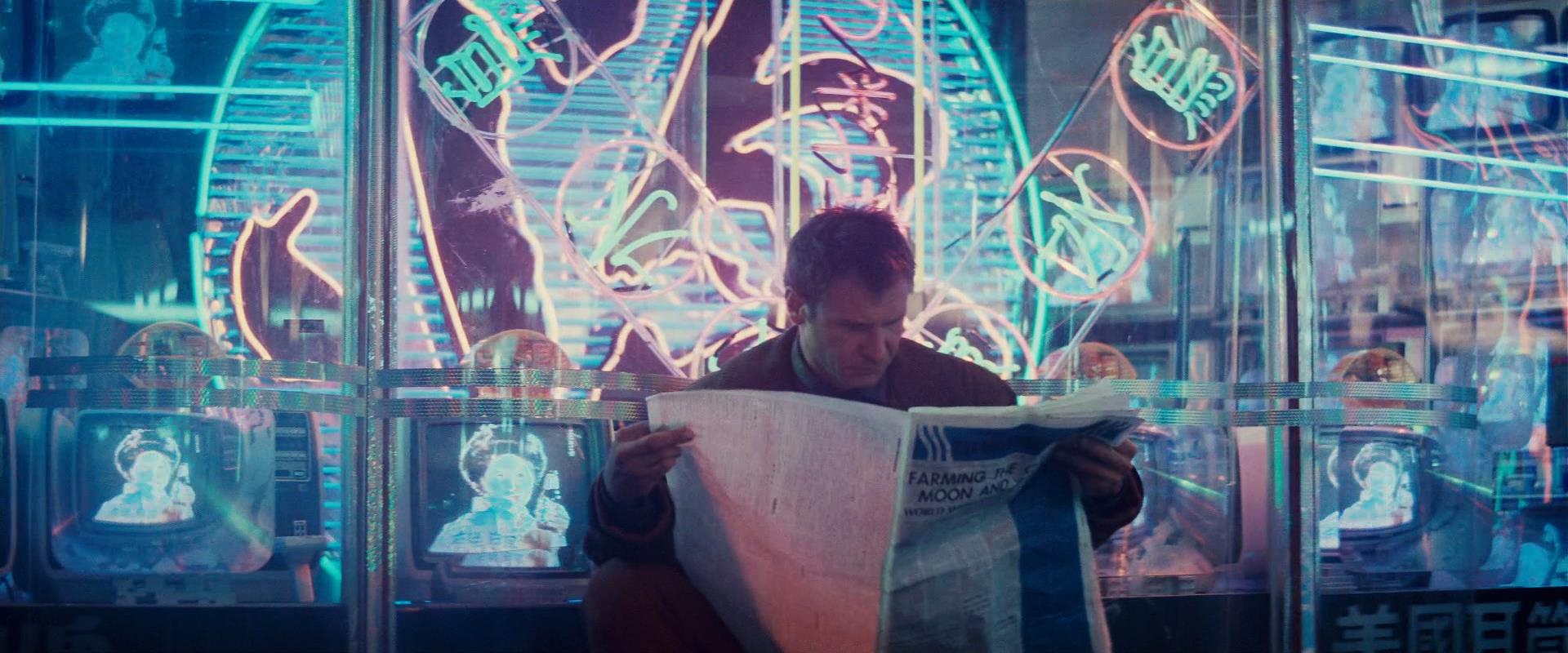
The "Papes" meme (short for "papess") jokes that the Pope is the Supreme Leader of the World, even though he is still in the real world while humanity is colonizing space. This refers to the newspaper headline visible in the image, "FARMING THE MOON AND...", which implies that the Pope is the most advanced, futuristic ruler of the planet, effectively leading humanity into the future from the present.
simple-description (llama3.2-vision_11b)
The meme is a screenshot of a Popeye cartoon, with Popeye saying "I'm strong to the finich 'cause I eats me spinach". The image is captioned "When you finally understand the concept of 'papes'".
detailed-analysis (gemma3-27b-vision)
Okay, let's break down this image through the requested theoretical lenses. It's a visually striking image, so there's a lot to unpack.
Visual Description
The image depicts a solitary figure, seemingly a man, reading a newspaper amidst a vibrant and chaotic urban landscape. The setting appears to be a public space, likely a bus shelter or a storefront window, given the glass enclosure and reflections. The background is a swirling vortex of neon lights, primarily in pink, blue, and red hues, creating a hyper-saturated and disorienting effect. Behind the figure, and partially obscured by the glass, are what appear to be plaster busts, resembling classical sculptures, adding an element of antiquity and tradition juxtaposed against the modern cityscape. The figure is dressed in dark clothing and appears relatively neutral in posture. The newspaper is prominent, bearing some visible text: “Farming the Moon and the...” The overall impression is one of isolation within a hyper-modern, potentially overwhelming environment, and a curious engagement with some form of information amidst the chaos. The image evokes a sense of alienation, information overload, and the collision of past and present.
Postmodernism
This image is profoundly postmodern. Several key tenets of postmodern thought are apparent:
- Simulation and Hyperreality: The overwhelming neon lights and reflections create a sensory overload that feels more real than reality itself. It’s a simulation of urban life, amplified and distorted. The image doesn’t depict a direct experience of the city, but a mediated, constructed one.
- Fragmentation and Deconstruction: The image is fragmented. We don't have a clear, unified view of the city, but rather a chaotic assemblage of colors, reflections, and obscured forms. The presence of classical busts, pulled from their original context and displayed alongside neon signs, represents a deconstruction of traditional values and historical narratives.
- Loss of Grand Narratives: The man reading the newspaper represents an attempt to find meaning within this chaotic environment, but the seemingly nonsensical headline ("Farming the Moon...") suggests a rejection of traditional sources of truth or meaning. There isn't a single, overarching narrative, but rather a proliferation of localized, fragmented experiences.
- Surface over Depth: The emphasis on visual spectacle and sensory overload prioritizes surface appearance over deeper meaning. The image suggests that meaning is not inherent but constructed through visual language and mediation.
Foucauldian Genealogical Discourse Analysis
Through a Foucauldian lens, the image speaks to the relationship between power, knowledge, and discourse.
- Panoptic Power: The glass enclosure, and the sense of being watched within a visually saturated public space, hints at the concept of panopticism. While there's no explicit surveillance, the pervasive visibility creates a sense of self-regulation.
- Disciplinary Society: The chaotic yet structured environment, with its neon grids and fragmented forms, suggests a disciplined society where individuals are regulated through dispersed mechanisms of power rather than centralized authority. The man reading the newspaper could be seen as attempting to navigate this network of control.
- Genealogy of Knowledge: The juxtaposition of classical sculptures with modern neon signs highlights a genealogy of knowledge, tracing the shifting values and power structures that have shaped our understanding of the world. The classical busts represent a specific historical episteme (system of thought) that has been disrupted and reconfigured by modernity.
- Discourse and Subjectivity: The newspaper, as a medium of discourse, shapes the man’s understanding of reality. But the ambiguous headline suggests that the dominant discourses are fragmented and potentially unreliable. The man’s very act of reading can be seen as an attempt to construct a coherent subjectivity within this chaotic environment.
Critical Theory
From a Critical Theory perspective (drawing from the Frankfurt School), the image can be interpreted as a critique of modernity and its alienating effects.
- Commodification and Spectacle: The overwhelming neon lights and consumer culture symbols (potentially reflected in the glass) exemplify the commodification of everyday life and the rise of the spectacle (as described by Debord). The image suggests that meaning has been replaced by surface appearance and sensory stimulation.
- Alienation: The solitary figure, isolated amidst the urban chaos, embodies the theme of alienation, a central concern of Critical Theory. The man is disconnected from genuine human connection and immersed in a dehumanizing environment.
- Reason and Instrumental Rationality: The rigid grid-like structures of the neon lights, contrasted with the fragmented forms of the classical sculptures, can be seen as a representation of instrumental rationality—the application of reason solely for the purpose of efficiency and control. This can lead to a loss of meaning and a suppression of individuality.
- Culture Industry: The hyper-saturated environment could be seen as a product of the “culture industry,” which produces standardized and commodified cultural products that suppress critical thinking and reinforce existing power structures.
Note: The other requested analyses (Marxist Conflict Theory & Queer Feminist Intersectional Analysis) do not seem as directly applicable to the image's primary elements. While those frameworks could be stretched to find connections (e.g., relating the urban landscape to capitalist structures or the alienation to gendered/sexual power dynamics), they wouldn't be as central or insightful as the analyses outlined above.
If you'd like me to elaborate on any of these interpretations, or to explore alternative theoretical perspectives, please let me know.
simple-description (llama3.2-vision)
The meme features a person sitting in a dimly lit, futuristic setting, surrounded by neon lights and screens displaying a futuristic cityscape. The image is captioned "I just realized I'm not even living in the future, I'm just living in a 90s sci-fi movie".
tesseract-ocr
F “e ; =. i.” a ae a . a ae A \ 1) 6 2 18 NS NA Ape ae YY x ( I = a) ev | ~ ~ Ki ‘ =\ Wan 4 it ene : i j re" - 7 es = AS TR . a . 7 \ P \ - > \ i \ cae ie 3 ny. Ee a me: A i | , P a ane 2 : hy Shep is a vom a? a | a \ a SR ha a 4 . Re st wets 5 ts = ~ eal BR ke or 3 ites JEN nay ite =... 2 ww eee ene 6 a. = he er. i 4. la a — (a sy f wee fa " 4 j J 3 4 Si N ee | bf