First Seen
2023-05-10T21:03:42+00:00
simple-description (qwen3.5_2b-q8_0)
This image is from the viral 2017 internet meme known as "Papes." The specific joke is to take the word "Pup" and replace the suffix "up" with "apes," resulting in the word "Papes." Since you can't see the actual movie title, you recognize it by knowing the trend, as this is the promotional image for the film that changed video titles to this specific phrase. You can see the words "PUI KLE" printed on the man's chest, which serves as the logo for the video.
simple-description (llama3.2-vision_11b)
The meme is an image of a man with a serious expression, captioned "Papes". The image is likely a still from a movie or TV show, and the caption is a humorous or ironic reference to the character's name or a play on words related to the context of the image.
detailed-analysis (gemma3-27b-vision)
Okay, let's break down the image with the requested theoretical lenses.
Visual Description
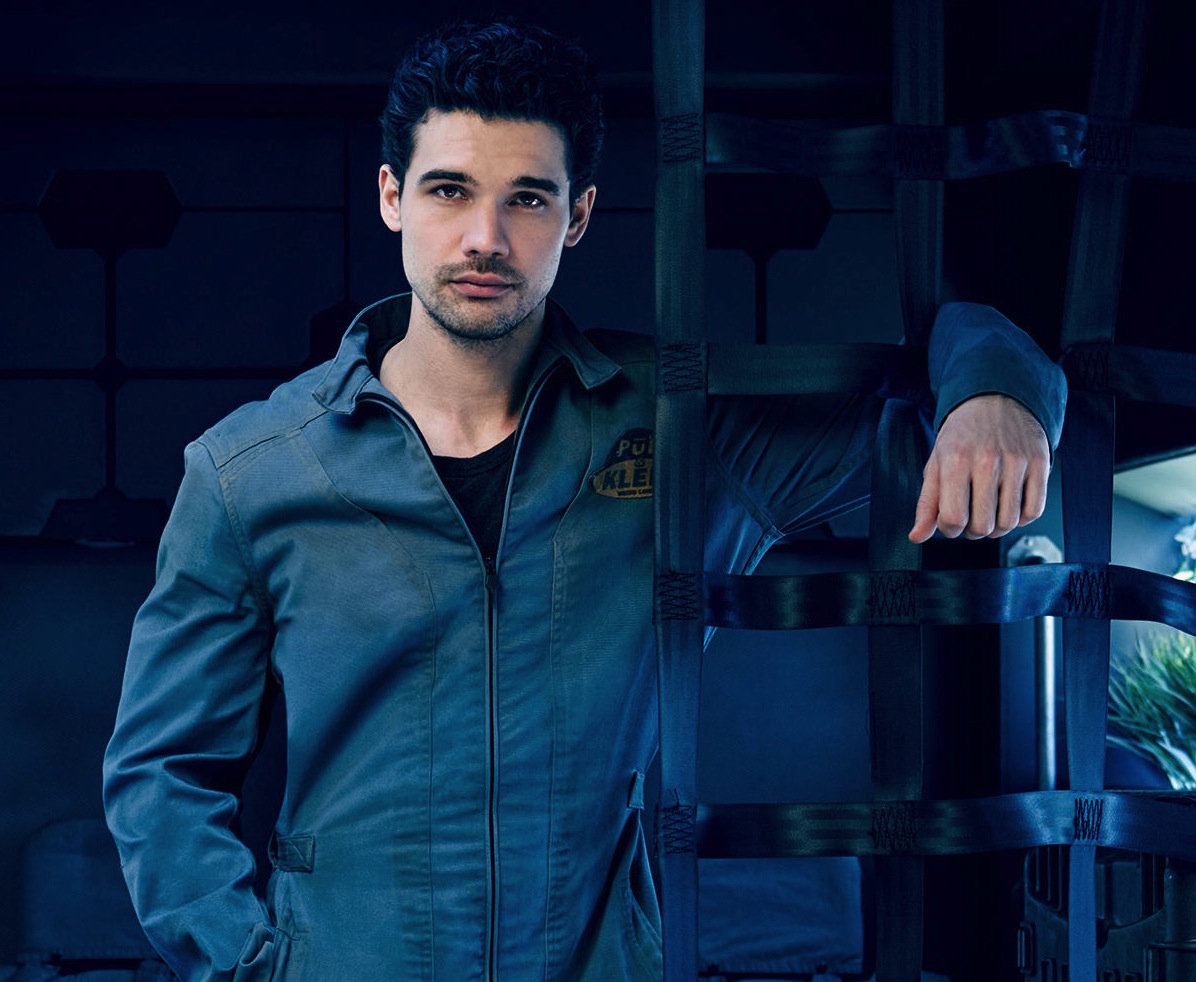
The image features a man leaning casually against a dark, metallic, cage-like structure. The color palette is predominantly cool blues and blacks, creating a somewhat somber and enclosed atmosphere. The man appears to be in his late 20s or early 30s, with dark hair and a light complexion. He's wearing a dark blue work jacket over a black t-shirt. His expression is direct and relatively neutral, with a slight intensity in his gaze. The lighting is dramatic, with stark contrasts between light and shadow, which accentuates the texture of the metal and the man’s features. The background is blurry, giving a sense of depth and focusing the viewer’s attention on the man and the cage. The overall impression is one of confinement, control, or perhaps a calculated defiance.
Foucauldian Genealogical Discourse Analysis
This image lends itself strongly to a Foucauldian interpretation. The central element – the cage – immediately speaks to themes of power, surveillance, and discipline.
- Discourse & Power/Knowledge: The cage doesn’t necessarily represent physical imprisonment. Instead, it can be seen as a materialization of a discourse of control. The discourse surrounding the man suggests restriction, observation, and perhaps normalization. The positioning of the man against it—leaning, not in it—suggests a negotiation with, or challenge to, those forces.
- Panopticism: The image subtly evokes the Panopticon, a prison design where inmates are visible to a single watchtower, creating a feeling of constant surveillance even if no one is always watching. The cage serves a similar function; it implies a potential for observation and judgment. The man’s gaze back at the ‘viewer’ is a reversal of the Panoptic gaze.
- Genealogy: A genealogical approach would trace the historical development of the concepts of containment, discipline, and the justification of control within society. The cage isn't simply a modern invention; it has roots in historical forms of punishment, social control, and even ritualistic containment.
In short: The image is less about literal imprisonment and more about the systems of power that define and restrict individuals. The man's position suggests a complex relationship with these systems, not necessarily subjugation.
Critical Theory
Applying critical theory, we can see the image as a commentary on the structures of society and the alienation of the individual.
- Domination and Subordination: The cage represents the forces of domination that exert control over individuals. It can be symbolic of societal norms, economic pressures, or political oppression.
- Alienation: The man's positioning—detached yet proximate—suggests a sense of alienation. He is near the structure of control but doesn’t fully conform to it. This resonates with Marxist critiques of alienation in modern society.
- Ideology: The image challenges us to question the ideologies that uphold such structures. The seemingly neutral presentation invites the viewer to reflect on how these systems of control are normalized and perpetuated.
Overall: The image can be read as a representation of the individual's struggle against the constraints imposed by societal structures.
Marxist Conflict Theory
From a Marxist perspective, the cage and the man’s interaction with it can be interpreted through the lens of class conflict and power dynamics.
- Oppressor/Oppressed: The cage symbolizes the structures of economic and political control maintained by the ruling class. The man, potentially representing the working class, is positioned in relation to this control.
- Means of Production: The cage could symbolize the “means of production” – the tools and resources controlled by the dominant class. The man’s interaction with it, even a casual lean, suggests a potential struggle for access or control.
- False Consciousness: If the man appears complacent or unconcerned, it might suggest a state of “false consciousness”—a lack of awareness of his own exploitation or oppression. Conversely, a defiant gaze could indicate a growing awareness and resistance.
Postmodernism
A postmodern reading of the image focuses on the breakdown of grand narratives and the questioning of established truths.
- Deconstruction of Meaning: The image doesn’t offer a single, definitive meaning. The cage is a symbol open to multiple interpretations—prison, security, display, or even a work of art.
- Fragmentation and Simulacra: The blurred background and the ambiguous context contribute to a sense of fragmentation and detachment. The image might be seen as a “simulacrum”—a copy without an original, where the representation is more real than the reality it purports to represent.
- Irony and Parody: The man’s casual pose could be interpreted as an ironic or parodic gesture—a rejection of the seriousness or authority associated with the cage.
Queer Feminist Intersectional Analysis
This lens is less directly applicable, but can still offer valuable insights.
- Disciplinary Power: From a queer feminist perspective, the cage can be seen as a metaphor for the societal constraints imposed on marginalized genders and sexualities. The structure represents the heteronormative and patriarchal forces that seek to contain and control non-conforming bodies and identities.
- Intersectionality: The analysis would explore how these constraints intersect with other forms of oppression, such as race, class, and ability. The man's position may not visibly reveal these additional layers, but the theoretical framework would encourage considering how they might shape his relationship to the cage and the power dynamics at play.
- Resistance & Agency: The man's gaze and pose can be read as an act of resistance against these oppressive forces. His agency is asserted by his deliberate positioning and the subversion of expectations.
I hope this breakdown is thorough and offers a range of theoretical interpretations for the image. Let me know if you'd like me to focus on any particular lens in more detail.
simple-description (llama3.2-vision)
The meme is a screenshot of a character from a TV show, with a serious expression. The text "I'm not a doctor, but I'm going to tell you to take a seat" is overlaid on the image, implying that the character is giving a sarcastic or condescending response to someone. The image is likely a humorous take on a situation where someone is seeking medical advice from a non-expert.
tesseract-ocr
Ts : jos ‘\ i LE Pid — y. | | As y . f .