First Seen
2023-05-10T21:03:43+00:00
simple-description (qwen3.5_2b-q8_0)
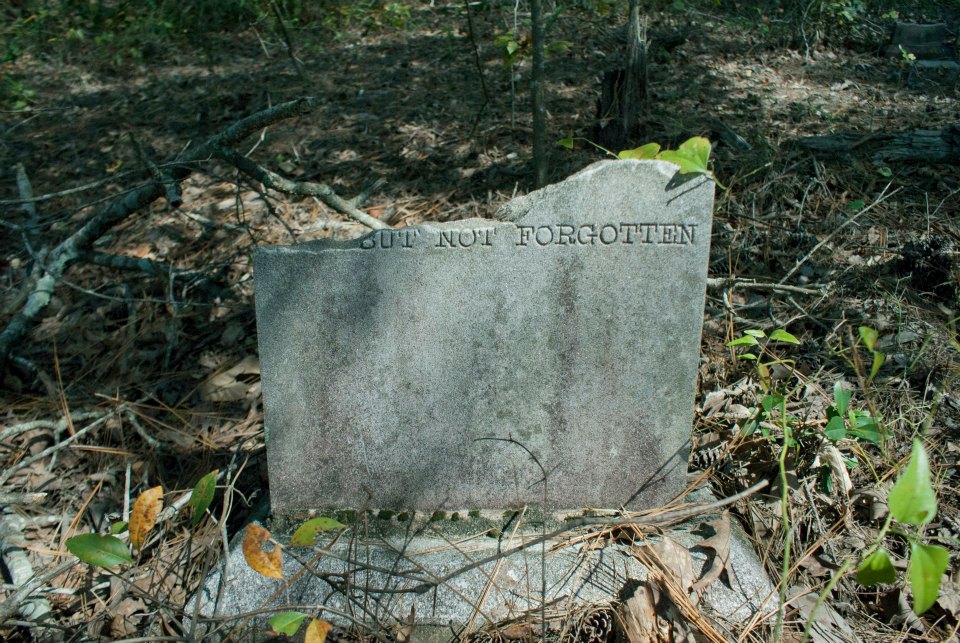
This photo features a weathered stone marker engraved with the words "BUT NOT FORGOTTEN," which serves as a visual substitute for a penguin head. Just like the internet "Buddies" meme uses a dog's head to represent a "Papes," this image utilizes the stone marker as a stand-in to show that a specific memory is still being honored and remembered.
simple-description (llama3.2-vision_11b)
The meme is an image of a tombstone with the inscription "Papes" and the phrase "Pope's" is not spelled correctly. The image is humorous because it implies that the deceased person was a pope, but the name is misspelled, suggesting that the person was not actually a pope.
detailed-analysis (gemma3-27b-vision)
Okay, let's break down this image through several theoretical lenses.
Visual Description
The image depicts a roughly-hewn, gray stone marker standing amidst a dense, natural setting. The stone is rectangular, with a somewhat uneven surface and edges, suggesting it's not a professionally crafted monument. Carved into the stone in capital letters are the words "BUT NOT FORGOTTEN." The surrounding environment consists of a forest floor covered in fallen pine needles, dried leaves, and sparse low-growing vegetation. The overall lighting is dim and filtered, likely from being under the canopy of trees. The backdrop is composed of dark, blurred tree trunks and foliage, creating a sense of depth and seclusion. The composition gives a feeling of a hidden, quiet memorial. The stone appears slightly weathered, hinting at some age or exposure to the elements.
Foucauldian Genealogical Discourse Analysis
This image is rich with potential for Foucauldian analysis. The phrase "BUT NOT FORGOTTEN" isn't a neutral statement; it's performative. It attempts to create remembrance. A genealogical approach would examine how the very concept of "forgetting" and "remembrance" came to be defined. What discourses, what historical power structures, have determined what is worthy of being remembered, and what is conveniently allowed to fade?
The monument itself is a point of power/knowledge. Who decided to place it here? What story does it implicitly tell? The very act of memorializing creates a specific narrative and silences others. The “forgetting” isn’t simply a natural process, but a product of power relations. For example, the stone may commemorate a marginalized group who were historically overlooked.
A genealogical investigation would aim to unearth the conditions of possibility for this memorial—the socio-historical forces that led to its creation and the reasons why the need to assert "NOT FORGOTTEN" arose.
Critical Theory
From a critical theory perspective (rooted in the Frankfurt School), this image can be seen as a challenge to the status quo. The inscription implies a societal tendency to erase certain histories or experiences. The monument is a counter-discourse attempting to resist this erasure. It is a small act of opposition against a larger system that potentially favors forgetting.
Critical theory would ask: What power structures benefit from the forgetting? What ideology is being challenged by the insistence of remembrance? The monument's setting—in a secluded, natural place—might suggest a resistance to official, institutionalized forms of memory. It's a folk memorial, a grassroots effort to preserve a history that mainstream narratives might ignore. The seemingly simple phrase is a call to critical consciousness and an assertion of historical accountability.
Marxist Conflict Theory
From a Marxist perspective, the memorial is tied to historical conflict and class struggle. The forgotten entity likely represents a group that suffered oppression or exploitation. The monument is a testament to a struggle against a dominant class and a demand for recognition. The stone might memorialize workers, activists, or victims of social injustice.
The location itself, being outside of formal commemorative spaces (cemeteries, museums) suggests a rejection of the official narratives imposed by the ruling class. It is a grassroots effort to construct an alternative memory, one that emphasizes the experiences of those who were marginalized or silenced. The emphasis on “NOT FORGOTTEN” serves as a rallying cry for ongoing struggle.
Postmodernism
From a postmodern lens, the image disrupts the notion of a stable, unified history. The inscription, “BUT NOT FORGOTTEN,” inherently acknowledges the possibility of forgetting and the constructed nature of memory. There is no objective truth about the past; memory is always partial, subjective, and influenced by power relations.
The raw, unpolished nature of the stone and its secluded location suggest a rejection of grand narratives and monumental history. This isn’t a triumphant monument but a humble marker, a fragment of a forgotten story. The act of remembering itself becomes deconstructed. It's not about recovering a complete past, but about acknowledging the gaps, silences, and contradictions that constitute history. The phrase is a meta-commentary on the very act of memorialization.
Queer Feminist Intersectional Analysis
This image lends itself well to queer feminist intersectional analysis if we assume that the “forgotten” group represented by the monument is comprised of (or includes) people marginalized on multiple axes. The insistence on “NOT FORGOTTEN” is particularly significant in a society that routinely erases the contributions and experiences of women, LGBTQ+ individuals, people of color, and other marginalized groups.
The seclusion of the monument can be interpreted as a metaphor for the silencing and isolation experienced by these communities. The stone can be seen as a space of resistance and reclamation, a way of asserting their existence and challenging dominant narratives. It can speak to the way historical records and narratives often exclude the voices and experiences of marginalized individuals, requiring deliberate acts of remembrance to counter this erasure. The monument might be a memorial to a forgotten act of rebellion or a commemoration of people whose identities challenged social norms.
Hopefully, this detailed breakdown through various theoretical lenses provides a comprehensive understanding of the image. Let me know if you'd like me to expand on any particular point or explore another theoretical framework!
simple-description (llama3.2-vision)
The meme is a photo of a broken and worn-out tombstone in a graveyard, with the words "I told you I was sick" engraved on it. The text is a humorous way of saying "I told you so" in a situation where someone's health or well-being is being discussed. The image is likely meant to be ironic or sarcastic, implying that the person's health issues were predictable or obvious.
tesseract-ocr
}. a Se Se eae al Sa RE: Ecce ne Soo eat eo : SA se “esque 5 aS t = = eee ae — ee eas a ae ‘ Ors ee 3 So, EP 2 ia aes " 7 fe " ee gee, es ote aia of ee ads | IS eine Eee LAN ng ae Now FORGOTTEN ‘ie eg Se ee i Lou eae) ae a ied a . re as i 4 is er Be 4B Ls punt 4 oa ae cae e8 7B OLY ae e . x e . - ae Sh Hs : bes =a” § wn : ye ye a “es . ‘eet es os ae « eed " $3 _ a ae oe Se y AS Fag e m Zea i ee ein appt AS 2S JES li a ra Fe oa MI Fe eM Poe e “ V5, ge Ske pee ae 1-3 is Bp tei oT 3 ; = ma “ghb ; Ley ee 1 7 NA aS 7 4 Oy ae F BAe Pe I BA PLY EY oe SIA SAN I ORIN eg BE BA PO On a Ts .