First Seen
2023-05-10T21:03:43+00:00
simple-description (qwen3.5_2b-q8_0)
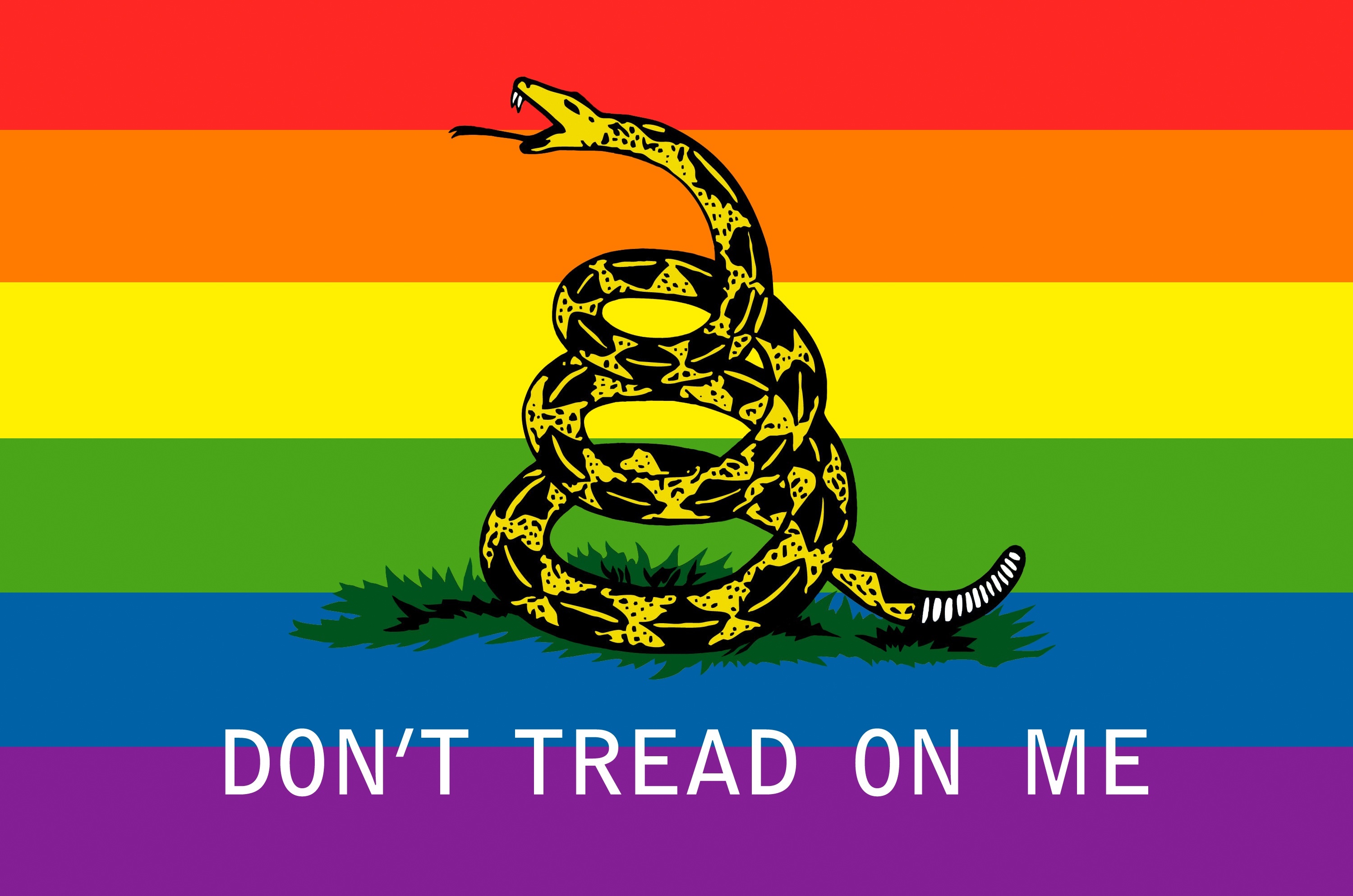
This funny meme features a coiled rattlesnake standing in a field of rainbow-colored stripes. The colors follow the order of the standard rainbow flag: red, orange, yellow, green, blue, and purple. In the center, the snake is depicted with an open mouth and its rattles hanging down. The text "DON'T TREAD ON ME" is printed in white at the bottom. This humorous image combines the serious anti-establishment warning of the Gadsden snake with the vibrant colors of the LGBTQ+ pride flag.
simple-description (llama3.2-vision_11b)
The meme is a play on the Confederate flag, which is a symbol of Southern heritage and is often associated with racism and white supremacy. The meme replaces the Confederate flag with a rainbow-colored version, incorporating the "Don't Tread on Me" flag, which is a symbol of American patriotism. The text "Don't Tread on Me" is often used in a humorous or ironic way to express defiance or resistance.
detailed-analysis (gemma3-27b-vision)
Okay, let's break down this image through the lenses you've requested. It's a potent visual, blending historically loaded iconography with a contemporary symbol of identity, and lends itself well to several theoretical approaches.
1. Visual Description
The image is a flag design, a direct adaptation of the Gadsden Flag (historical symbol of American independence). The background consists of horizontal rainbow stripes, mirroring the Pride flag. Centered upon this rainbow background is a coiled rattlesnake, rendered in a golden-yellow with dark brown patterning. The snake is poised as if to strike. Below the snake, in white capital letters, is the slogan “DON’T TREAD ON ME”. The colors are bright and saturated. The overall aesthetic feels deliberately assertive and combines elements of historical symbolism with contemporary LGBTQ+ identity.
2. Foucauldian Genealogical Discourse Analysis
This image is fascinating from a Foucaultian perspective. The Gadsden Flag itself isn’t an inherent symbol – its meaning is produced through historical discourse. Originally representing colonial American resistance against British rule, it's been repurposed over time, most recently (and controversially) by some conservative and libertarian movements.
The adaptation of this flag with the rainbow Pride stripes is a powerful re-articulation of its meaning. It's a move that challenges the original, dominant discourses associated with the flag. It demonstrates how power operates through discourse: by taking a symbol previously used in other (potentially problematic) contexts and imbuing it with LGBTQ+ meaning, the image disrupts the existing power dynamics surrounding that symbol.
We can analyze the archaeology of the flag, tracing the shifting meanings of the snake and the slogan across time, and the genealogy of its present form, examining how specific historical and social forces (namely, the LGBTQ+ rights movement and the desire for self-determination) have shaped this particular iteration. The statement "Don't Tread on Me" transforms from a statement about political freedom to a demand for respect and the right to exist without oppression, a call for the protection of LGBTQ+ rights. It's not just a symbol, but a statement produced by social relations.
3. Critical Theory
From a Critical Theory perspective (drawing on Frankfurt School thought), this image can be seen as a challenge to the established social order and hegemonic power structures. The image embodies a rejection of oppression. The appropriation of a traditionally patriotic symbol by a marginalized group is a direct subversion of dominant narratives.
The image functions as a counter-discourse: it attempts to expose and critique the societal forces that oppress LGBTQ+ individuals. The visual directly challenges the norm by taking a symbol associated with a specific historical and political movement (American Revolution) and applying it to a contemporary struggle for social justice. It also raises questions about the nature of power, authority, and resistance. Critical theorists would likely explore how the image attempts to dismantle oppressive structures and whether it successfully achieves its aims.
4. Marxist Conflict Theory
Through a Marxist lens, this image represents a clear articulation of class struggle, albeit broadened beyond the traditional economic definition. The snake, often seen as a symbol of defiance, embodies the struggle of an oppressed group – the LGBTQ+ community – against the forces that seek to exploit or control them. The slogan "Don't Tread on Me" can be read as a demand for agency and resistance against systemic oppression, mirroring the Marxist concept of the proletariat rising against the bourgeoisie.
The image suggests a power dynamic where the LGBTQ+ community is seen as being "trodden upon" by dominant societal forces. The adaptation of the flag, originally associated with revolution against perceived tyranny, reinforces this idea of resistance. The rainbow stripes themselves can be seen as a symbol of collective identity and solidarity among a group historically marginalized by economic and social structures. A Marxist analysis would focus on the material conditions that contribute to LGBTQ+ oppression and how this image contributes to a broader struggle for liberation.
5. Queer Feminist Intersectional Analysis
This image is particularly rich when viewed through an intersectional lens, combining Queer Theory and Feminist thought. The visual directly challenges heteronormative and cisnormative power structures. The reclaiming of a historically masculine symbol (the snake is often associated with phallic imagery and assertive masculinity) by the LGBTQ+ community disrupts traditional gender roles and expectations.
Furthermore, the rainbow flag itself signifies the diversity within the LGBTQ+ community, highlighting the intersections of sexuality, gender identity, race, class, and other social categories. The statement "Don't Tread on Me" extends beyond a simple demand for rights; it's a call for bodily autonomy, self-determination, and the right to live authentically without fear of violence or discrimination.
The image can be seen as a rejection of compulsory heterosexuality and a celebration of queer desire and identity. A Queer Feminist analysis would explore how the image challenges dominant narratives about gender, sexuality, and power, and how it contributes to a broader struggle for social justice and liberation. It’s also important to consider the potential for internal power dynamics within the LGBTQ+ community itself and how this image might reinforce or challenge those dynamics.
Let me know if you'd like me to elaborate on any of these analyses further, or explore other theoretical frameworks.
simple-description (llama3.2-vision)
The meme is a reworked version of the Confederate battle flag, featuring a snake in place of the traditional cross. The text "Don't Tread on Me" is replaced with "Don't Tread on Me (but also gay marriage and trans rights)" or simply "Don't Tread on Me (but also gay rights)". The original flag is a symbol of Southern American heritage, but the meme uses it to ironically protest against conservative values and promote LGBTQ+ rights.
tesseract-ocr
eS wy A bo os we a]