First Seen
2024-01-18T00:27:23+00:00
simple-description (qwen3.5_2b-q8_0)
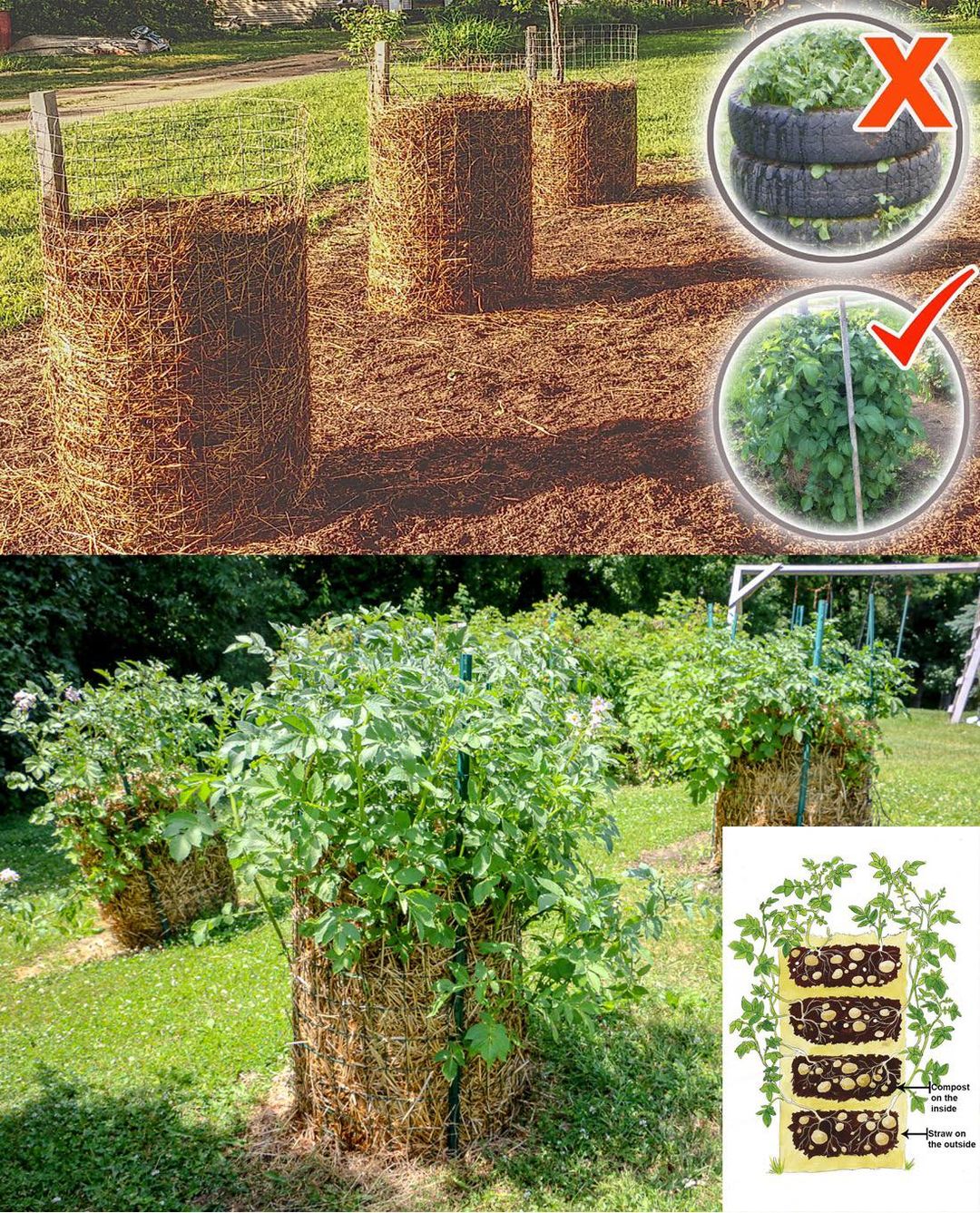
This meme illustrates a permaculture strategy for composting and vegetable gardening by contrasting a failed approach with a successful one. It warns against using old tires, which can attract pests like slugs, but promotes the use of straw wire bins. The diagram details the layers, noting that compost on the inside feeds the soil with nutrients while straw on the outside protects those nutrients and eventually becomes part of the garden soil.
simple-description (llama3.2-vision_11b)
This meme is from the category of permaculture, which focuses on sustainable and environmentally-friendly practices. The meme is a humorous take on a permaculture concept called "hugelkultur," where a tree is planted in a mound of decomposed wood and other organic materials to create a self-sustaining ecosystem. The meme shows a tree being planted in a hugelkultur mound, with the caption "I'm not lazy, I'm just conserving water" - a tongue-in-cheek reference to the idea that hugelkultur can help reduce water usage in gardening.
detailed-analysis (gemma3-27b-vision)
Okay, here's an analysis of the image, broken down into the requested sections, with acknowledgement that not every theoretical lens will be deeply applicable. I'll attempt to draw connections where reasonable, and explain when a lens doesn’t quite fit.
Visual Description
The image depicts a raised garden bed constructed using a method called "Hugelkultur." This technique involves building mounds of decaying wood, branches, and organic matter, covered with soil and straw. The image shows a progression of this process.
- Top Image: A partially completed Hugelkultur bed. It's a rectangular mound with a visible layer of straw on top, revealing the unfinished construction. Internal layers of decomposing wood are visible.
- Bottom Image: A fully planted, mature Hugelkultur bed. The mound is densely covered with tomato plants, lush with green foliage, and supported by metal stakes.
The location appears to be a domestic garden, likely rural or suburban, with a visible fence and grassy surroundings. The overall aesthetic suggests an intentional, nature-based approach to gardening. The image emphasizes a layering of organic matter and a sense of cycles of growth and decay.
Foucauldian Genealogical Discourse Analysis
This is where things get interesting. A Foucauldian analysis could examine how the discourse around gardening, particularly permaculture and Hugelkultur, has shifted over time, and the power dynamics embedded within it.
- Historical Shift: Gardening has moved from a largely utilitarian practice (survival) to a hobby, a status symbol, and increasingly, a form of "sustainable" or "ethical" consumption. The Hugelkultur method, with its roots in Eastern European forestry and peasant practices, represents a re-appropriation of 'traditional' knowledge.
- Disciplinary Power: The discourse around "good" gardening often enforces norms around neatness, productivity, and efficiency. Hugelkultur challenges this, appearing messy and "unproductive" on the surface, but offering a different logic of ecological benefit.
- Biopower: The image embodies biopower – the control and manipulation of life. The gardener exerts control over plant life, but the method also embraces natural decomposition and allows for a level of self-regulation within the mound. The compost, straw, and wood act as a force in the production of plants.
- Knowledge/Power: The understanding of soil composition, decomposition, and plant needs are forms of knowledge that grant power over the garden. Hugelkultur, as a specific technique, represents a specific regime of truth around how to cultivate land.
Critical Theory
From a critical theory perspective, this image can be viewed as a microcosm of larger societal issues related to nature, labor, and the construction of the "natural" world.
- Domination of Nature: The image, while seemingly harmonious, still represents a form of human intervention and control over nature. The gardener shapes the land, directs plant growth, and exploits natural processes for the purpose of food production.
- Alienation from Labor: The process of building a Hugelkultur bed, though physically demanding, can also be seen as a form of "creative labor" that reconnects the gardener to the land and the source of their food. This contrasts with the alienating, industrialized food system.
- Ideology of "Naturalness": The image presents a romanticized view of gardening as a "natural" and fulfilling activity. This obscures the fact that even the most "natural" gardening practices are shaped by cultural norms, economic forces, and power relations.
Marxist Conflict Theory
A Marxist reading focuses on the relationship between the gardener, the land, and the products of labor.
- Means of Production: The land, the decaying wood, the straw, and the plants themselves are all means of production. The gardener is the laborer who transforms these resources into food.
- Class Struggle (Subtle): This is a stretch, but the image can be seen as contrasting the self-sufficiency of the small-scale gardener with the exploitative practices of industrial agriculture. The gardener controls the means of production, while industrial agriculture relies on the exploitation of land and labor.
- Surplus Value: The tomatoes grown on the mound represent surplus value – the excess produced beyond what is needed for the gardener's own sustenance. This surplus can be consumed, traded, or sold.
Postmodernism
A postmodern reading would question any claims of authenticity or naturalness associated with the image.
- Deconstruction of Nature: Postmodernism challenges the notion of a pristine "natural" world, arguing that all landscapes are culturally constructed. The Hugelkultur mound, as a deliberate human intervention, embodies this idea.
- Simulacra and Simulation: The image can be seen as a simulation of a "natural" garden. It's a carefully crafted representation of an idyllic lifestyle, disconnected from the realities of food production.
- Emphasis on Fragmentation and Hybridity: Hugelkultur itself is a hybrid technique, combining elements of traditional forestry, permaculture, and organic gardening. It's a fragmented, non-essentialist approach to land management.
Queer Feminist Intersectional Analysis
This is the most challenging lens to apply directly, but there are potential connections.
- Challenging Binary Oppositions: The Hugelkultur mound embodies a challenge to binary oppositions – life/death, growth/decay, order/chaos. It's a space where these categories blur and overlap.
- Care and Nurturing: Gardening, particularly the organic and sustainable methods depicted here, can be seen as a form of care work, historically devalued and associated with women.
- Intersectional Ecology: This could be extended to consider how environmental issues disproportionately impact marginalized communities and the need for intersectional approaches to ecological justice. The gardener’s access to land, resources, and knowledge are all shaped by social and political factors.
- Body-Earth Connection: The act of gardening can represent a re-connection with the body, challenging the disconnect often experienced in modern society, and drawing parallels to feminist theories about embodiment and reclaiming the body.
I hope this detailed analysis is helpful. Remember that these are just interpretations, and there are many other ways to read this image. Each theoretical lens offers a different perspective, and they can be combined to create a richer and more nuanced understanding.
tesseract-ocr
Ce pi Sa tee as. ee ee a Rea ro == ae : ee East, \ li aS RA bs a a a ea a ima - a aes Se eee es, ieee | —" ENTE BAN ae 2g Le alien LEE See Sak Ne eis ieee RS ss oe ee Ree a LO ase Aes ae ee sa aa a oe / sewers = bee Wa ak ee oe oo |e pees \ as ae as Bele, oa Meee os [ ce ee peas ce | aes ae \ eens al. So ee, Eee \ alo | oe i a PS \ Ga er | Ce eel i 2 De fees ee J Bae eG vale ak yas age a Bes Le RAs os fz oe ee eters a Bana ee se: Ne Winns Beer J aS! ONS (Spee Were ae EES 2 eS eee S pee. gaa pe Se where De: ee : Cp ee pe ee ee Sf é oe o Dee Gry s Se CUS Seaeeee ei Se ee. Sea ee gen vs as et ee i ee “a eN Saw ae ees NO ee eae ee ie eee | o Se PP ig Aes oe ae SS Bee 2.” eS EE eee ane SSE rey eee fe | wun rcs Le eee eae cs os = Hof was Rare |: 5 ee ae 2 SES ee res eee Opa Wee coe we |e Se Bo a oe ae ee / : ae Sma oo etter NO Se pe we ee : z ee pert eee eee se a bly yi oa . ‘ ween ee ee -o. oS : : MO oh) ae sae ce Ney Oe ne me ere eee aN mean cea e seus Ys SS Bi A “i ea sae re, Bs AES a a7 re Peay eelee ee AS Se he "eerie oe aa PAR eae ep ges & a I — OM: SHER Rai Di Fass p ES. =] Se NS va i Ef a. Seay oe Seale : a a2 Se Nata Spee ee SNR soon Res. ee SUES Sey Cs ee SOE AES =e 2 WES a eee ities ers Pa: Pea Ge Dita See, Be AS 2" ee eee Fe es Peas ne ee Rae ae E (FS Sor alle ce ESS eae eds A crate ta es a ag ae gts Bee aS a Rees IRIN as Lees PR Ss HN a = ee Pee cer rule eS aa Bees Pee aR ae Pek ees ig | Pepe ae he 9 AES SE a Reger A See BBN Pye See ae | Jeet an alae Oe ‘Ce apes BR Nea, ae. eS LER i ae CoN gua *: sed _ gh ee Aes aan Spy ae Me ae atag See MA iiepieca Me aia ES Ae e rie oo ne ee” BN was RNS wi SE a ORS ieee ae a | eps see Oe ea Pea ie RS RS gal BD ee od geen. . PS vase * ae Bain ee a ERA At Pra e iw ees 3 OG y Se ong Kies ave aaa ty PMR 3 \ eS |) ee Se ss rei ae a A pate AAS Eee, 9 RE Geass Pec ot Sirecis oe. x ot Ea OS Pan AG te, = tT Np. ~ of ie e BR nao A tae Pe bg pee gle SH ig : EB Win aed 2 aC mn P eee eo: pice AG Sort n aes pri cocere *, meee ere cee Wetec ot See es Oy. a Pee ee pee iN Sy eas Rese 4 osx wie J 5S aes BR ae PTO. er ae LE es ee! Beant ne Oh ee icc pai nas eee pee ks <n W aoe ‘he outside Fe Uy ERE —
simple-description (llama3.2-vision)
The meme is a humorous image that juxtaposes two seemingly unrelated scenes: a garden with a "no trespassing" sign and a person's backyard with a garden. The image is captioned "I have a garden in my backyard. I have a garden in my backyard." The meme is likely poking fun at the idea of having a garden in a backyard, implying that it's a common or expected thing.