First Seen
2023-05-10T21:03:39+00:00
simple-description (llama3.2-vision_11b)
The meme is a still image from the TV show "Queer as Folk" with a caption "Mum's the word". It shows a character, Ian, from the show, with a shocked expression, implying that he has just been caught doing something he shouldn't.
detailed-analysis (gemma3-27b-vision)
Okay, let's break down this intriguing visual arrangement through the lenses you've provided. It's a somewhat bizarre assemblage, lending itself well to layered interpretation.
Visual Description
The image comprises four distinct elements laid out in a horizontal row:
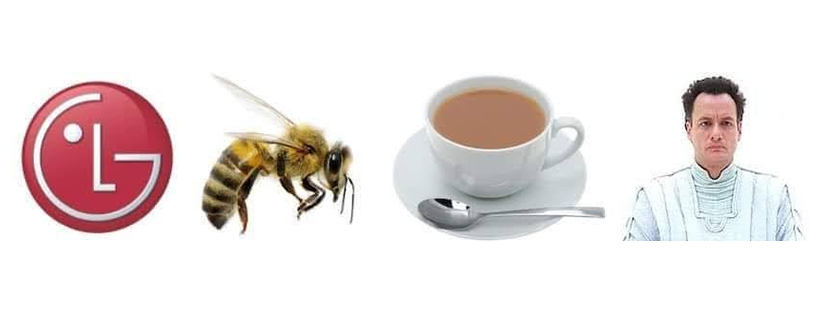
- LG Logo: A circular, bright red logo for the electronics company, LG. It features a stylized ‘L’ and ‘G’ within a rounded shape that resembles a face.
- Honeybee: A close-up photograph of a honeybee in flight, wings extended. The bee is detailed, showing its fuzzy body, legs, and antennae.
- Cup of Tea/Coffee: A white cup and saucer containing a creamy, light-brown beverage (likely tea or coffee). A spoon rests on the saucer.
- Isaac Mizrahi Portrait: A headshot of fashion designer Isaac Mizrahi, appearing somewhat stoic or weary. He is wearing a layered, ruffled white outfit and multiple necklaces.
The image overall feels disjointed and intentionally constructed rather than a naturally occurring scene. The juxtaposition of these elements is key, creating a need for interpretation.
Foucauldian Genealogical Discourse Analysis
This arrangement lends itself quite well to a Foucauldian analysis. We can trace the discourses surrounding each element and examine how they've constructed specific knowledge and power relations.
- LG: Represents the discourse of technological advancement, consumerism, and global capitalism. The logo itself is a site of power, signaling a network of production, distribution, and consumption. Tracing its genealogy would reveal how ideas about technology, convenience, and 'modern' life have been constructed and reinforced through this brand.
- Bee: Historically associated with industriousness, community, and the natural world. However, in the context of the 21st century, the bee now represents ecological crisis and the fragility of ecosystems due to environmental factors. The bee’s role in pollination also speaks to discourses around food production and the control of nature.
- Tea/Coffee: Represent a historical network of colonial trade, specifically the exploitation of labor in coffee and tea-producing nations. This cup also signifies domesticity, ritual, and a space for social interaction, but these are constructed meanings.
- Isaac Mizrahi: Represents the discourse of fashion, artistry, and personal branding. His image, however, seems to carry a sense of exhaustion, potentially hinting at the pressures and performativity of the fashion industry.
The power dynamic lies in how these discourses intersect and potentially discipline us into certain modes of thought and behavior. For example, the promise of technological convenience (LG) is connected to ecological destruction (bees), which is potentially masked by the comfort ritual of drinking tea/coffee. Mizrahi embodies the performative labor and emotional toll of maintaining a public persona within the fashion system.
Critical Theory
Through the lens of Critical Theory, this image becomes a commentary on the alienation of modern life and the fragmentation of experience.
- The juxtaposition of natural and artificial (bee/LG) highlights the disconnect between humanity and the environment fostered by capitalist production.
- The comfort object (tea) and the artist (Mizrahi) are placed alongside forces that threaten their very existence (environmental destruction, industry pressure). This suggests a deep sense of precarity and a longing for something ‘real’ in a hyper-mediated world.
- The overall impression is one of commodification. Everything – nature, art, even personal experience – is potentially reduced to a commodity within a capitalist system.
- The artist’s gaze in the portrait might represent a melancholic awareness of this system’s inherent contradictions. It can be seen as a commentary on the artist's role within consumer culture and the loss of authenticity.
Marxist Conflict Theory
From a Marxist perspective, the image reveals inherent class conflicts and power dynamics.
- LG represents the capitalist class – the owners of the means of production and the drivers of profit.
- The bee symbolizes the exploited labor of the natural world, its essential contributions taken for granted and threatened by capitalist expansion.
- The tea/coffee represents colonial labor – the history of exploitation and unequal exchange that underpins the production of these commodities.
- Mizrahi, as a creative worker, occupies a complex position. While seemingly successful, he is ultimately subject to the demands of the capitalist fashion industry, experiencing a form of alienation from his creative labor.
The image, therefore, highlights the conflict between capital and nature, between the colonizer and the colonized, and between labor and profit. The artist’s expression might symbolize the class consciousness or the realization of one’s position within this system. The arrangement suggests a system where even moments of comfort and beauty are built upon exploitation and injustice.
Postmodernism
Postmodernism is perhaps the strongest lens for interpreting this image. Its key features—fragmentation, irony, and the collapse of grand narratives—are all present.
- The random juxtaposition of elements rejects traditional logic and meaning-making. There is no clear narrative or overarching theme.
- The image embraces ambiguity. It does not provide answers but invites multiple interpretations.
- The irony could lie in the juxtaposition of a natural element (the bee) with symbols of consumerism and industry (LG, tea).
- The collapse of grand narratives is evident in the rejection of any single, unifying message. Instead, the image offers a fragmented and subjective experience.
The image exemplifies the postmodern rejection of truth and the embrace of simulacra (copies without originals). It is not about what these elements are but rather about the relationships between them.
Queer Feminist Intersectional Analysis
This lens requires a bit more nuance, but it's still applicable:
- Domesticity & the Tea: The cup of tea/coffee traditionally aligns with feminine spaces, labor, and expectation. The tea ritual, while comforting, is often tied to expectations of nurturing and caregiving. However, placed alongside industrial and environmental elements, it deconstructs this cozy ideal, suggesting the pressures and contradictions inherent in those roles.
- The Bee and Labor: The bee's labor is entirely unpaid, and the exploitation of this natural labor mirrors the historical exploitation of women's unpaid domestic and emotional labor. The bee's precarious existence also speaks to the vulnerability of marginalized groups.
- Mizrahi and Performance: As a visible queer figure in the fashion world, Mizrahi is a site of intersectionality. The pressure to perform a certain image in a capitalist system is intensified for those who exist outside of the dominant norm. His exhausted expression might reflect the emotional labor of navigating this space.
- The Disruption of Expectation: By placing these seemingly unrelated elements together, the image disrupts expectations and challenges conventional norms. It creates a space for questioning power structures and imagining alternative ways of being.
The image, viewed through this lens, invites us to consider the interconnectedness of different forms of oppression and the ways in which power operates at multiple levels. It challenges us to see the vulnerabilities and silences within seemingly disparate systems.
Hopefully, this multi-layered analysis provides a comprehensive interpretation of the image you presented. It's a fascinating and thought-provoking assemblage that invites ongoing discussion and critical reflection.
simple-description (llama3.2-vision)
The meme is a simple image of a bee flying towards a cup of coffee, with a red circle and a line through it (a "no" symbol). The text "no" is written above the image. The meme is likely poking fun at the idea of a bee flying towards a coffee cup, implying that the bee is not interested in the coffee.
tesseract-ocr
Gee?