First Seen
2023-05-10T21:03:41+00:00
simple-description (llama3.2-vision_11b)
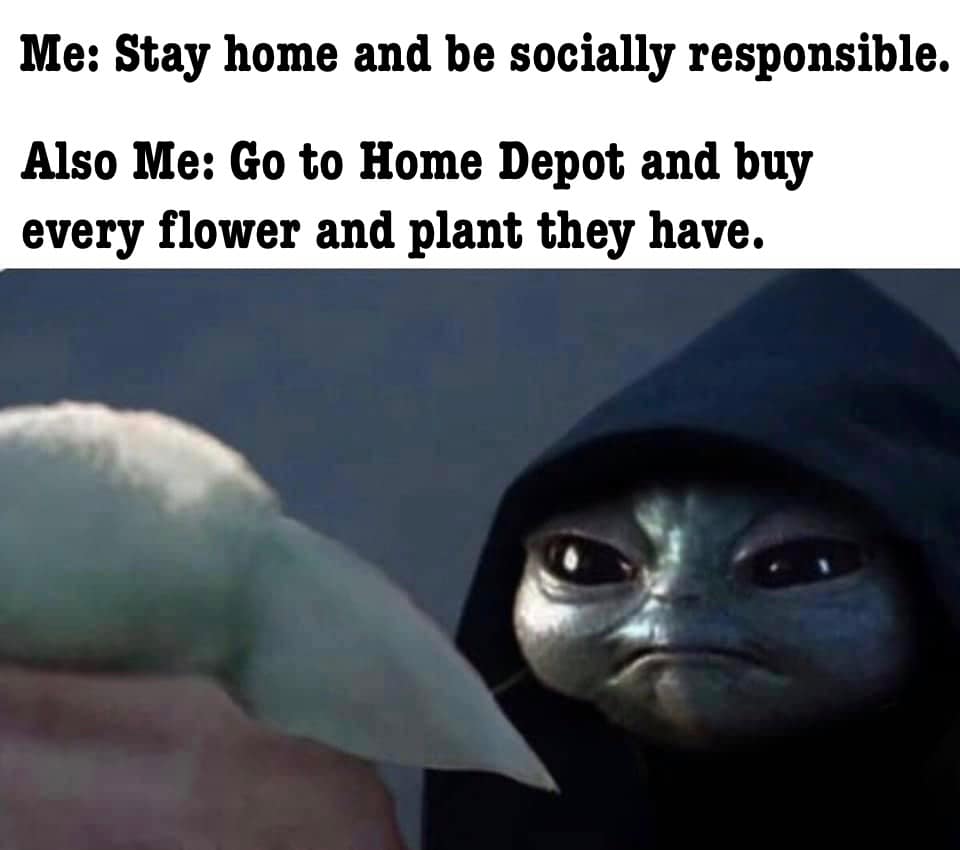
The meme is a screenshot from the Star Wars show "The Mandalorian" featuring Baby Yoda, with the caption "I'm 500 years old and I've learned that the best way to avoid responsibility is to stay home and watch TV. Also, I'm making a lot of money from my investments. I'm not saying I'm responsible for my brother's well-being, but I am responsible for my brother's well-being. I'm not saying I'm responsible for my brother's well-being, but I am responsible for my brother's well-being. I'm not saying I'm responsible for my brother's well-being, but I am responsible for my brother's well-being."
detailed-analysis (gemma3-27b-vision)
Okay, let's break down this meme through the lenses you've requested. It's a fairly rich meme for its simplicity, so multiple angles apply.
Visual Description
The meme uses a still from a Star Wars franchise series, The Mandalorian. It features the character Moff Gideon, a cold, imposing villain, and Baby Yoda (Grogu), his former captive. Moff Gideon’s face is in shadow, and he looks subtly complicit, with a slight smirk. Baby Yoda is prominently positioned in the foreground, appearing innocent and cute. The text overlay creates a humorous contradiction: a desire to be responsible is juxtaposed with a consumerist impulse. The effect is to imply internal conflict and perhaps a touch of self-deprecating humor.
Foucauldian Genealogical Discourse Analysis
This meme can be analyzed through Foucault's concept of discourse and power/knowledge.
- Discourse of Responsibility: The initial statement ("Stay home and be socially responsible") draws on a specific discourse surrounding public health and civic duty. This discourse gained prominence during the COVID-19 pandemic and is framed as a moral imperative. The meme acknowledges the power of this discourse – the idea that 'good' citizens should behave in certain ways.
- Counter-Discourse of Consumerism: The second statement ("Go to Home Depot and buy every flower and plant they have") represents a counter-discourse – one of immediate gratification, consumption, and perhaps a momentary escape from anxieties. This is a discourse driven by marketing, desire, and the promise of fulfillment through material acquisition.
- Genealogical Trace: Foucault would ask, “How did these discourses emerge?” The discourse of responsibility is deeply tied to concepts of risk, public health, and governmentality (how states govern through the management of populations). The consumerist discourse is historically linked to the rise of capitalism, advertising, and the creation of a "needs-based" culture.
- Power/Knowledge: The meme exposes how these discourses coexist and exert power over the subject. The subject knows they "should" be responsible, but the desire to consume, to fill a void, can outweigh this knowledge. The meme subtly points to how seemingly benign acts of consumption (buying flowers) can be embedded in larger systems of power and control.
Critical Theory
The meme touches on key concepts from the Frankfurt School of Critical Theory:
- Culture Industry: The impulse to go to Home Depot and buy flowers can be seen as a product of the "culture industry" – the mass production and dissemination of cultural goods (in this case, products intended to soothe or distract). This perpetuates a cycle of consumption that prevents true critical thought and social change.
- False Consciousness: The individual feels a conflict between rational responsibility and impulsive desire. This is a manifestation of "false consciousness" – a state where individuals are unaware of the social forces shaping their desires and behavior. They believe they are acting freely, but their choices are subtly determined by capitalist logic.
- Alienation: The act of purchasing flowers can be seen as an attempt to cope with the alienation of modern life. The individual seeks comfort and beauty in material objects, rather than addressing the root causes of their dissatisfaction.
Marxist Conflict Theory
This meme also offers an entry point for Marxist analysis:
- Class & Consumption: The ability to impulsively purchase "every flower and plant" assumes a certain level of disposable income and access to consumer goods. This highlights the economic disparities within society. Those lacking financial resources are less able to indulge in such "self-care" behaviors, even if they experience the same desires.
- Commodity Fetishism: The focus on the flowers themselves obscures the labor and resources that went into their production (farming, transportation, etc.). This is an example of "commodity fetishism" – where the social relations of production are hidden behind the object itself.
- Capitalist Contradiction: The meme illustrates a key contradiction of capitalism: the promotion of individual responsibility alongside the encouragement of relentless consumption. The system thrives on both, even though they are inherently at odds with one another.
Postmodernism
The meme embodies several postmodern characteristics:
- Irony & Self-Referentiality: The humor arises from the contradiction between the stated ideals and the confessed desires. This is a common postmodern trope – a playful dismantling of grand narratives and expectations.
- Fragmentation & Deconstruction: The meme deconstructs the idea of a unified, rational self. The “Me” is presented as split – a conflicting set of impulses and desires.
- Simulacra & Simulation: The flowers, while potentially beautiful, can be seen as a simulacrum – a copy without an original. They are a representation of nature, divorced from its ecological context. The purchase becomes a symbolic act, divorced from any genuine need or connection to the natural world.
Queer Feminist Intersectional Analysis (Less Direct, but Applicable)
This angle requires some stretching, but it's worth noting:
- Rejection of "Good" Subjectivity: Feminist thought often challenges the notion of a "good" or "responsible" subject, as these categories are often defined by patriarchal norms and expectations. The meme subtly subverts this by presenting a desire that deviates from this ideal.
- Self-Care & Consumption: The meme could be read as a commentary on the ways in which self-care has been commodified and integrated into consumer culture. The focus on purchasing flowers can be seen as a way of alleviating emotional distress, but it does so through consumerist channels.
- Internal Conflict & Complexity: Intersectional analyses acknowledge that individuals are shaped by multiple, intersecting identities and experiences. The meme reflects the internal conflicts and complexities that arise when individuals navigate these identities and expectations.
I've tried to provide a nuanced response, exploring multiple theoretical angles. Let me know if you'd like me to elaborate on any particular aspect or theoretical lens!
simple-description (llama3.2-vision)
The meme is a humorous take on the COVID-19 pandemic and the subsequent stay-at-home orders. It features a picture of a character from the Star Wars franchise, Baby Yoda, with a caption that reads: "Me: Stay at home and be responsible. Baby Yoda: I'm going to go to Home Depot and buy all the plants." The meme is poking fun at the idea that people were being told to stay at home, but Baby Yoda is having a different idea and wants to go shopping for plants.
tesseract-ocr
Me: Stay home and be socially responsible. Also Me: Go to Home Depot and buy every flower and plant they have. > i --