First Seen
2023-05-10T21:03:41+00:00
simple-description (llama3.2-vision_11b)
The meme features a Baby Yoda figurine from the Star Wars series, dressed in a suit and tie, with a serious expression. The image is captioned "Baby Yoda Show" and is likely referencing a humorous or satirical take on the character's usual cute and playful demeanor. The meme is poking fun at the idea of a serious or formal presentation being given by a character known for being adorable and child-like.
detailed-analysis (gemma3-27b-vision)
Okay, let's break down this image with the requested analytical frameworks.
Visual Description
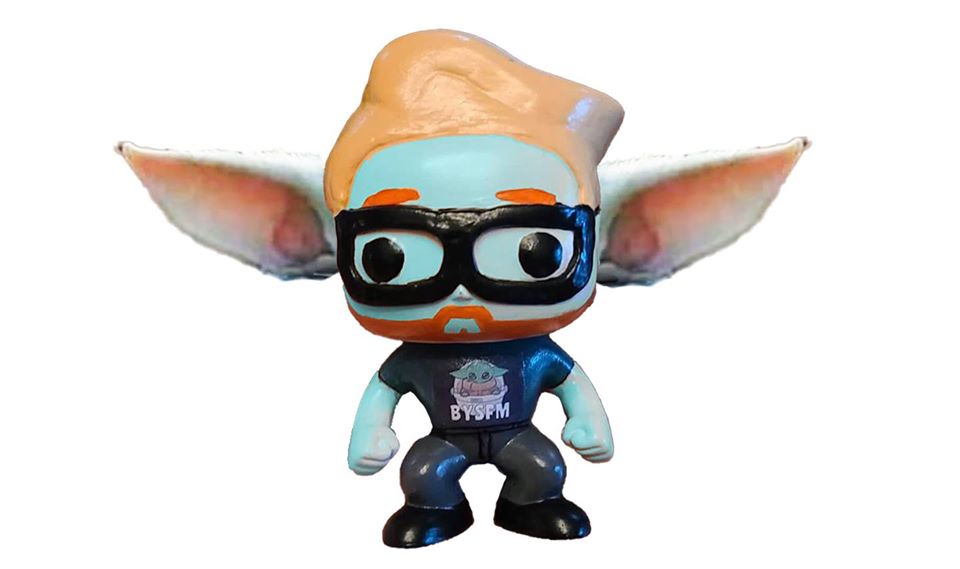
The image depicts a vinyl collectible figurine, resembling a stylized, cartoonish rendering of Gizmo from the 1984 film Gremlins. It’s a bright turquoise color, with oversized ears that have pink interiors. The figure features large, black, rounded sunglasses. It is wearing a black shirt with the letters "BYSFM" emblazoned on it, over a white circular design. The figure is positioned in a somewhat stiff, slightly forward leaning pose. The overall aesthetic is playful, referencing a known pop-culture icon but re-contextualized. It's presented against a clean white background, isolating it as the primary subject.
Postmodernism
This figurine exemplifies several key tenets of Postmodernism:
- Pastiche and Hyperreality: The figure isn't a straightforward representation of Gizmo; it is a stylized, almost caricatured version. This is a prime example of pastiche - borrowing elements from an original source but re-combining them in a new way. The vinyl construction, bright colors, and exaggerated features contribute to a sense of hyperreality – a simulation that surpasses the original, replacing reality with its own constructed version. It’s not just Gizmo; it’s Gizmo as interpreted through a specific aesthetic.
- Irony and Playfulness: The combination of a cute, iconic creature with the bold, almost jarring sunglasses suggests a playful deconstruction of the original character. This is often seen in postmodern art – a rejection of sincerity and a preference for irony and self-awareness.
- Loss of Grand Narratives: The figure doesn’t seek to tell a ‘grand’ story of good versus evil as the original film did. It simply is, an object for consumption and enjoyment, detached from the original narrative context.
- Commodification: The figurine is ultimately a commodity, an object to be bought and sold. This commodification of popular culture is a key theme in postmodern thought.
Foucauldian Genealogical Discourse Analysis
A Foucauldian analysis focuses on how power operates through discourse—language, imagery, and systems of knowledge.
- Discursive Formation of ‘Cute’: The figure leverages the cultural discourse surrounding “cuteness.” This isn't a natural quality, but a socially constructed one, developed through media, advertising, and cultural practices. The figure taps into that pre-existing discourse, drawing power from that established framework.
- Power/Knowledge and the “Collectible”: The figure’s very existence as a “collectible” is tied to systems of power and knowledge. Its value isn't inherent; it’s assigned by collectors, by market forces, and by the creation of scarcity. This creates a specific power dynamic, where those who can acquire the collectible have a different form of capital (cultural, economic) than those who cannot.
- Surveillance and the Spectacle: The large sunglasses, while seemingly a fashion statement, can also be interpreted through a Foucauldian lens of surveillance. The figure is looking, but also being looked at. It participates in the spectacle of consumer culture. The object is presented for viewing, inviting scrutiny and contributing to a system of visual control.
Critical Theory
- Culture Industry: This figurine perfectly fits into Adorno and Horkheimer's concept of the "Culture Industry." It's a mass-produced, standardized product designed for consumption, offering a superficial form of entertainment and diverting attention from deeper social issues. Its purpose isn’t artistic expression, but profit.
- Commodification of Nostalgia: The figure trades on nostalgia for the Gremlins film, effectively commodifying a shared cultural memory. This taps into a desire for the past, but does so in a way that is ultimately consumeristic.
- Alienation: As a mass-produced object, the figurine contributes to the alienation of the consumer. Instead of genuine connection and creativity, it offers a substitute, a commodity that can never truly satisfy.
Marxist Conflict Theory
- Commodity Fetishism: The figurine’s appeal stems from a classic example of commodity fetishism. The object's value isn't based on the labor that went into creating it, but on its perceived cultural significance and its desirability as a collectible. The focus shifts from the conditions of production to the object itself.
- Consumption as Social Control: The creation and marketing of this figurine is part of a larger system of capitalist production, where consumption is used as a means of social control. By encouraging consumers to spend money on non-essential goods, the system reinforces the existing power structure.
- Class and Access: While seemingly innocuous, the desire for such an object is fueled by socioeconomic disparities. Individuals from lower socioeconomic backgrounds may be priced out of the collectable market.
Important Notes:
- Interpretation is Subjective: These are interpretations, and other readings are possible. Art and cultural objects are often open to multiple interpretations.
- Intersectionality: These frameworks can be combined for a richer analysis. For instance, a Queer Feminist Intersectional Analysis could explore how the figurine reinforces (or challenges) gender stereotypes or how it’s marketed to specific demographics.
- Context is Key: The full meaning of the figurine would depend on its broader context—who created it, where it's being sold, and how it's being used.
Let me know if you'd like me to elaborate on any of these points or explore other analytical frameworks!
simple-description (llama3.2-vision)
The meme is an image of the character Jar Jar Binks from the Star Wars franchise, but with a distinctive and humorous twist: his head has been replaced with that of a young boy, and he's wearing a "I'm with stupid" t-shirt, a reference to a classic meme. The image is captioned "I'm with stupid".
tesseract-ocr
. { o> , { , ok 8 a a r) : Sad \